
C&I ESS Site Survey Checklist Before Quoting a Battery Storage Project
Project note: A commercial battery storage quote is only as reliable as the site information behind it. If the load profile, grid connection, cabinet location, cable route, ventilation, fire access, and installation constraints are guessed, the quotation may look attractive but fail during delivery.
For distributors and EPC teams, a site survey protects margin. It reduces change orders, avoids wrong cabinet selection, and gives the supplier enough information to check battery capacity, inverter sizing, communication, and cooling before shipment.
1. Collect load data before discussing capacity
Battery size should not be chosen only from the customer's monthly electricity bill. A useful survey collects peak demand, daily consumption curve, tariff periods, backup load list, expected solar generation, and whether the system is used for peak shaving, self-consumption, backup, or a mixed strategy.
If the customer cannot provide interval data, ask for meter photos, inverter logs, utility bills, and a clear list of essential loads. A 100kWh battery can behave very differently depending on whether the site wants one hour of backup or daily peak reduction.
| Survey area | What to record | Why it matters |
|---|---|---|
| Load profile | Peak demand, daily curve, backup loads | Controls battery and PCS sizing |
| Grid connection | Voltage, phase, breaker, transformer distance | Affects AC design and protection |
| Battery location | Space, clearance, floor strength, access | Controls cabinet choice and installation labor |
| Environment | Temperature, dust, moisture, ventilation | Affects cooling and lifetime |
| Cable route | Length, tray, wall penetration, separation | Affects voltage drop and installation cost |
| Safety access | Emergency stop, fire path, service clearance | Supports commissioning and maintenance |
2. Photograph the electrical room and cable route
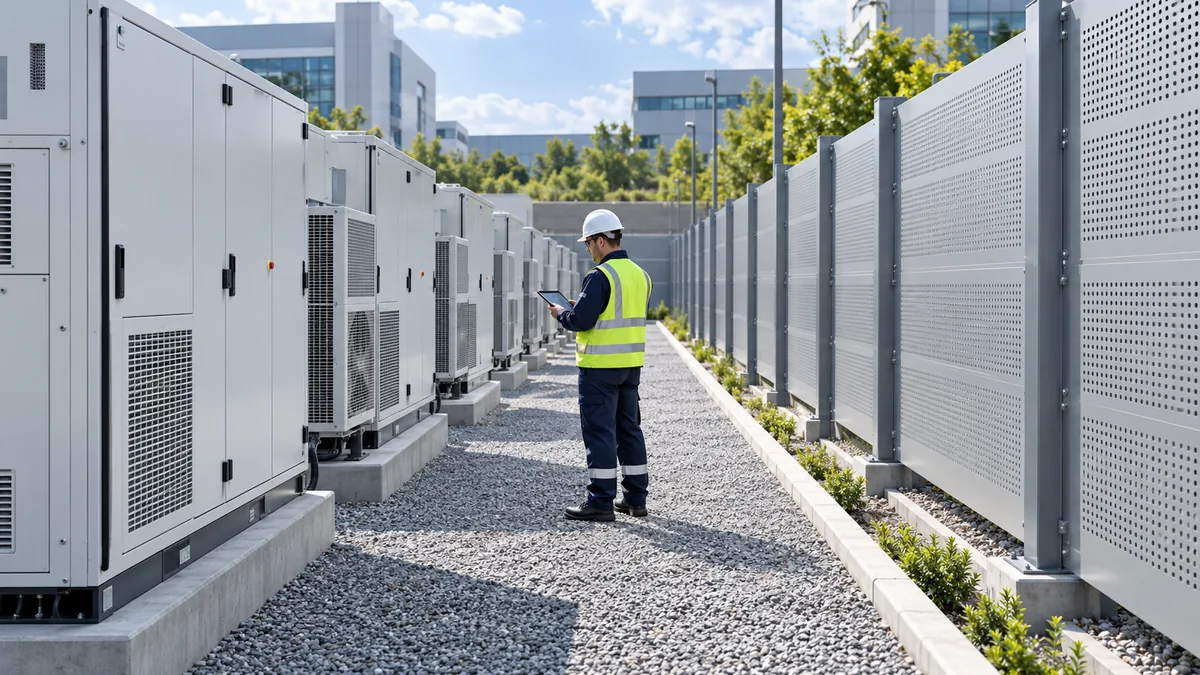
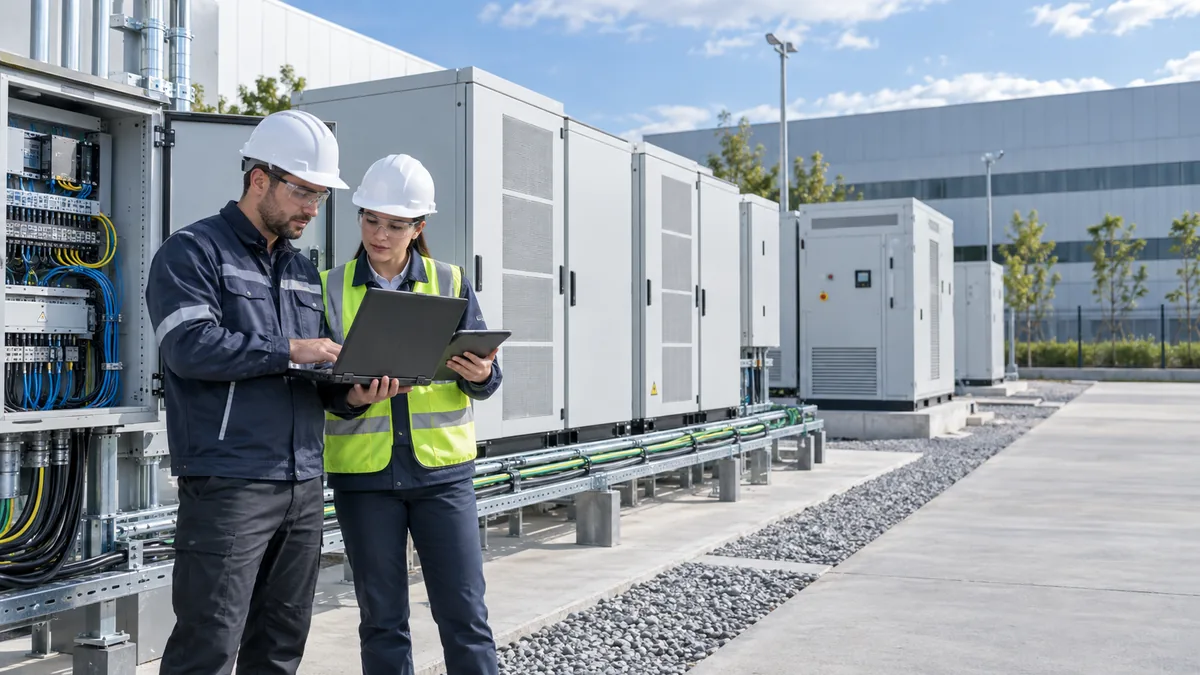
Clear photos often reveal issues that a written form misses. Take wide shots of the electrical room, close shots of panels and nameplates, the proposed battery location, ventilation, ceiling height, floor access, cable trays, and possible wall penetrations.
Include a simple sketch with distances. Cable length and route difficulty can change project cost more than small differences in battery price. Photos also help the supplier identify whether indoor cabinets, outdoor cabinets, rack batteries, or containerized storage are realistic.
3. Check thermal and environmental constraints
Battery storage cabinets need predictable operating conditions. Ask whether the site has high dust, humidity, heat, corrosive air, water risk, or poor ventilation. A cabinet that works well in a clean equipment room may need different protection or cooling in a hot workshop.
Thermal design should be discussed before quoting. Our air cooling vs liquid cooling guide for C&I LiFePO4 battery storage explains when cooling architecture becomes a project decision rather than a datasheet detail.
4. Confirm inverter, EMS, and communication expectations
A C&I ESS project usually involves more than a battery cabinet. The survey should record inverter or PCS model, EMS requirements, monitoring platform, communication protocol, meter location, grid export rules, and whether remote monitoring is required by the owner.
For battery and inverter communication, collect model names early. Even when the battery and PCS are supplied together, firmware, meter wiring, and operating mode should be confirmed before site work.
5. Build the quote with installation and handover in mind
The quote should include not only battery capacity but also cabinet handling, cable length, breaker and protection assumptions, monitoring, commissioning support, documentation, spare parts, and training. This prevents a low quote from becoming a high-friction installation.
Our C&I battery energy storage commissioning checklist shows what needs to be verified after equipment arrives. A good site survey makes that commissioning checklist easier to pass.
Related SolarStorageHub resources and authoritative reference
Use these resources when preparing a C&I ESS site survey pack for supplier review or customer quotation.
- Internal resource: C&I battery energy storage commissioning checklist
- Internal resource: Air cooling vs liquid cooling for C&I LiFePO4 storage
- Project support: Contact SolarStorageHub for project sizing and site review
- External reference: UL Solutions energy storage system testing and certification
Related buyer resources
Use this article alongside SolarStorageHub's buyer resource hub when reviewing site data, grid connection, battery placement, and quotation risk. For product matching, compare Home Energy Storage, C&I ESS, Solar Inverter, and Solar Panel, or contact SolarStorageHub with the inverter model, load profile, battery quantity, and destination market.
- Battery Storage Buyer Resources for linked checklists on LiFePO4 batteries, inverter compatibility, certification, shipping, installation, and warranty review.
- Home Energy Storage for residential and light commercial battery configurations.
- C&I ESS for commercial and industrial storage project planning.
- Solar Inverter and Solar Panel product paths for system-level matching.
- External reference: U.S. Department of Energy energy storage overview.
Editorial note: SolarStorageHub checks battery specifications, inverter communication, certification documents, installation assumptions, and buyer support questions before turning a topic into a procurement checklist.
Related buyer resources: For C&I ESS quotations, pair this site-survey checklist with the buyer hub and service capability guide before final cabinet or container sizing. Start with the Battery Storage Buyer Resources Hub, compare options in the Battery Storage Product Selection Guide, review trust and document checks in the Warranty, Certification, Shipping and OEM Buyer Guide, and confirm supplier support in the SolarStorageHub Company Capability and Service Support Guide. For project details, use the Solar Battery RFQ Checklist before contacting the team through Contact.
Related buyer guide: For site survey preparation, this quote checklist explains which project details should be ready before pricing a C&I ESS. Read C&I ESS Quote Checklist: Site Data, Load Profile and Warranty Evidence Before Pricing.
Related buyer guide: The site survey should record meter access, tariff details, PV equipment and large loads needed for a peak-shaving study. Read C&I ESS Peak Shaving Data Checklist: 15-Minute Loads, Demand Charges and Dispatch Limits.
Related buyer guide: The site survey should capture voltage, transformer, grid connection and large-load information needed for PCS sizing. Read C&I ESS PCS Sizing Checklist: kW/kWh Ratio, Overload, Reactive Power and Transformer Limits.
Related buyer guide: The C&I site survey should capture access, separation, occupied areas and local fire-safety requirements. Read C&I BESS Fire Safety Checklist: Detection, Suppression and Emergency Documents.
Related buyer guide: A site survey should confirm crane access, foundation, cable route and authority requirements before container quotation. Read 20ft vs 40ft BESS Container: Capacity, Layout, Shipping and Commissioning Checklist.
Related buyer guide: Site survey evidence helps separate a real C&I ESS manufacturer from a generic catalog reseller. Read C&I ESS Manufacturer Checklist: Factory Evidence, Documents and Warranty.
Related buyer guide: Site survey data is needed before comparing cabinet installation and shipping cost. Read Outdoor Cabinet Energy Storage System Cost Checklist.
Related buyer guide: A site survey helps confirm foundation, cable route, grid connection and installation constraints. Read Outdoor AC Energy Storage Cabinet Checklist: Cooling, IP Rating and PCS.
Related buyer guide: A site survey confirms foundation, cable route, access road and grid connection constraints. Read 40ft BESS Container Checklist: Layout, PCS, HVAC and Site Handover.
Related buyer guide: Site data should be collected before quoting custom C&I solar storage projects. Read Custom Solar Energy Storage Solutions Checklist: Battery, Inverter and PV.
Related buyer guide: Supplier review is stronger when the buyer also prepares load profile, site and installation data. Read C&I ESS Supplier Qualification Checklist: FAT, PCS Scope and Warranty.
When a site survey finds voltage dips, interruptions, motor-start events or generator instability, continue with the unstable power supply in factories checklist to separate power-quality causes from UPS, generator and ESS roles before sizing equipment.
FAQ
What is the first item in a C&I ESS site survey?
Start with the load profile and intended operating mode because they control battery size, inverter sizing, and control strategy.
Are photos necessary for a battery storage quote?
Yes. Photos of panels, cable routes, cabinet location, ventilation, and access reduce misunderstanding and help avoid wrong equipment selection.
What site conditions affect battery cooling?
Ambient temperature, dust, humidity, airflow, cabinet spacing, and duty cycle all affect cooling choice and long-term reliability.
Should cable distance be measured before quoting?
Yes. Cable length, tray route, wall penetration, and separation rules can affect voltage drop, labor cost, and installation schedule.
Who should complete the survey?
An installer or EPC engineer should collect the data, while the battery supplier and inverter supplier should review the technical assumptions.
Can a quote be made without interval load data?
It can be estimated, but interval data or a clear load list makes the design much more reliable and reduces project risk.
Conclusion
A C&I ESS site survey should capture load behavior, electrical conditions, space, environment, safety access, cables, and communication requirements. Better site data leads to better quotes, fewer installation surprises, and smoother commissioning.
Related SolarStorageHub Resources
If you are turning this article into a buying decision, compare the relevant product families and send your inverter model, target capacity, installation country, and quantity plan for confirmation.