Product Details


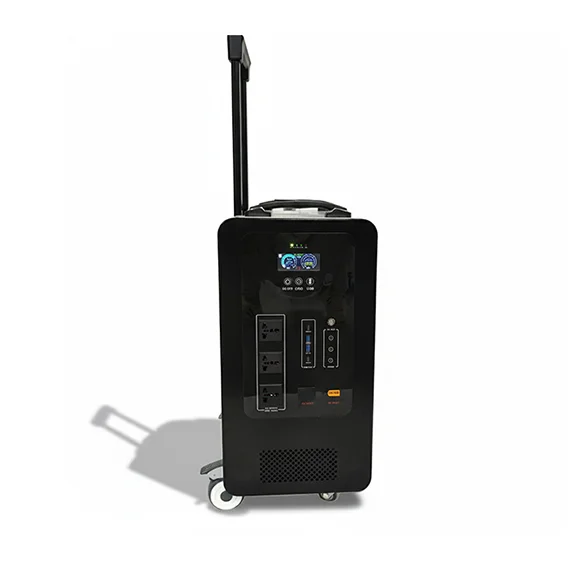
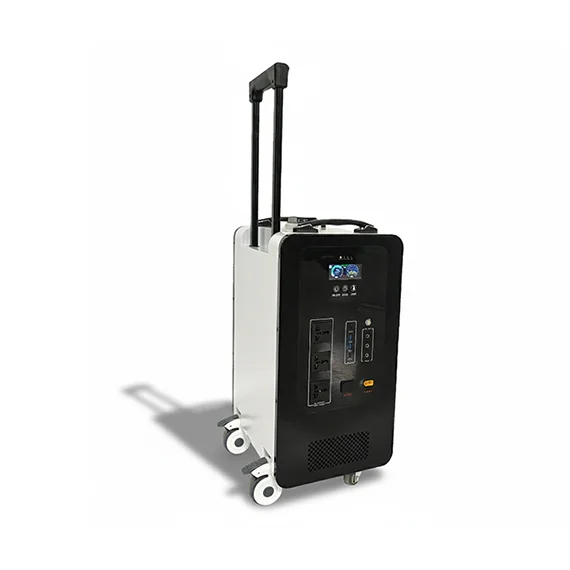
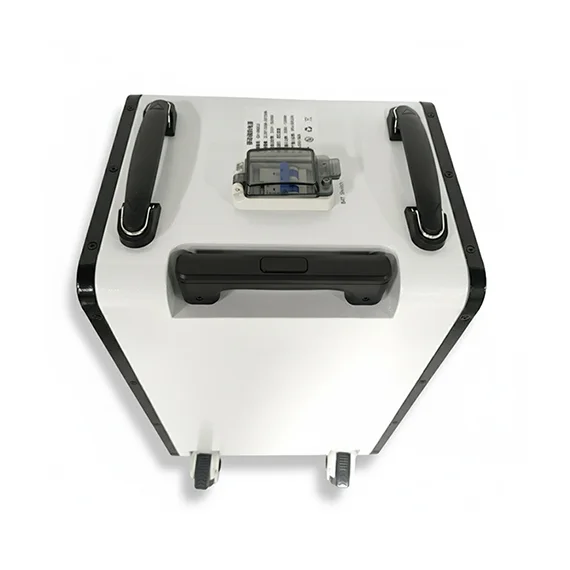
Compare the listed 3kWh and 5kWh LiFePO4 portable power stations by stored energy, continuous and peak output, 34kg or 57kg unit weight, charging conditions and load fit. Confirm the exact model, usable energy, input interfaces, accessories and test conditions before ordering.
Forget bulky, hard-to-move power solutions. We’ve engineered these power stations to deliver massive energy capacity in a truly portable package, designed for the modern adventurer and the modern homeowner.
| Model | ELE-PT-3KWH | ELE-PT-5KWH |
| Energy Capacity(Kwh) | 3kwh | 5kwh |
| Norminal Voltage(V) | 25.6v | 51.2v |
| Rated Capacity(Ah) | 120Ah | 100Ah |
| Weight(Kg) | 34kg | 57kg |
| Output maximum stable rated power | 3kw | 5kw |
| Output peak rated power | 6kw | 10kw |
| Cycle Times | >4000 | >4000 |
| Inverter | High-frequency inverter | High-frequency inverter |
| Output voltage(V) | 220V/AC | 220V/AC |
| Charging time | ≤2h | ≤2h |
| Battery Type | Lithium Iron Phosphate | Lithium Iron Phosphate |
| Warranty | 5 Years | 5 Years |
| Certifications | CE, UL, MSDS, IEC, UN38.3, ISO | CE, UL, MSDS, IEC, UN38.3, ISO |
| Operating Temp | –20 – 55 °C | –20 – 55 °C |
This isn't just a backup; it's a mobile energy hub for any scenario demanding reliable power far from the grid.
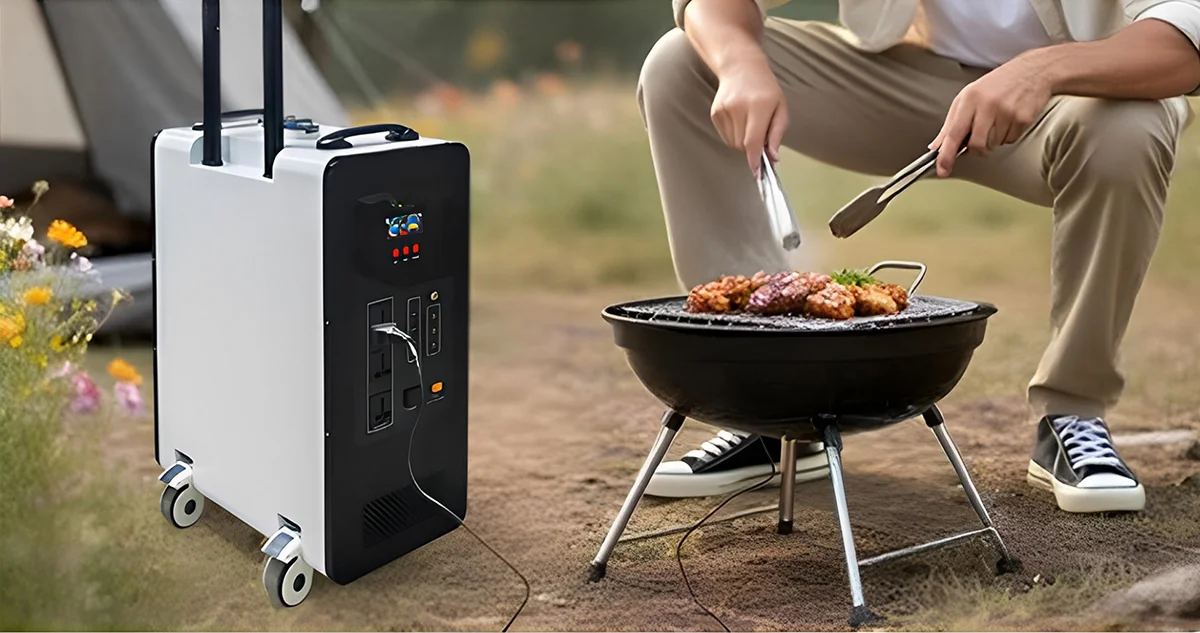
Outdoor use: Before powering several devices together, total their running watts and starting watts, then confirm voltage, frequency, outlet type, duty cycle and the model-specific output limits.
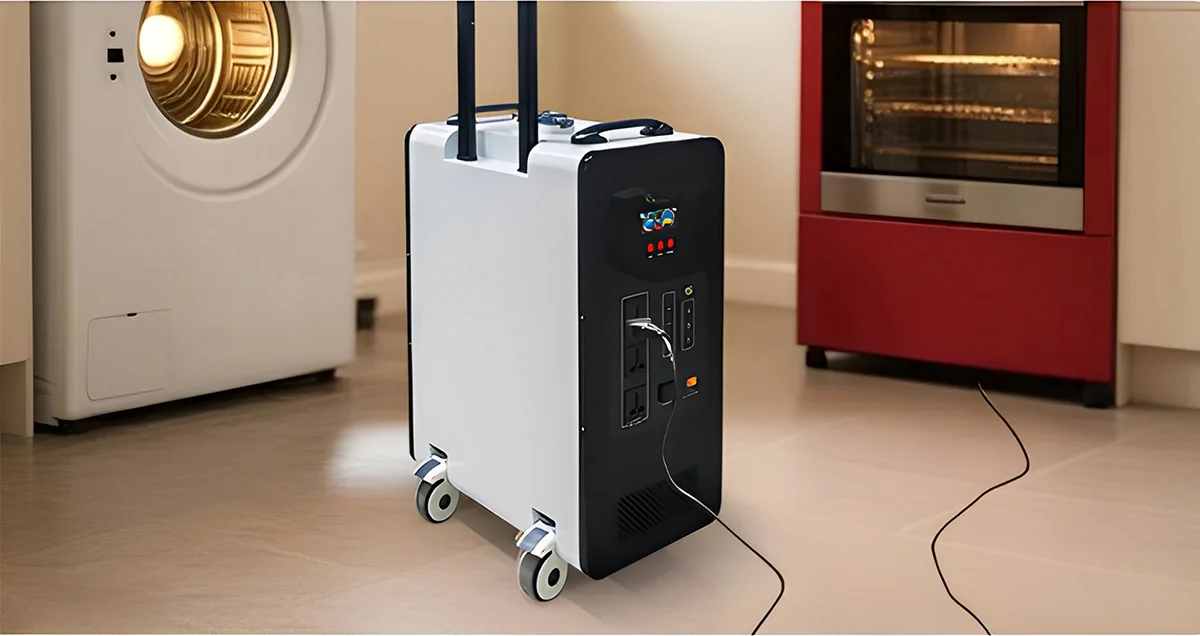
Home backup: Connect only selected loads that stay within the listed continuous and peak output limits. Confirm starting loads, required runtime, transfer method, grounding and safe shutdown before treating the unit as backup power.
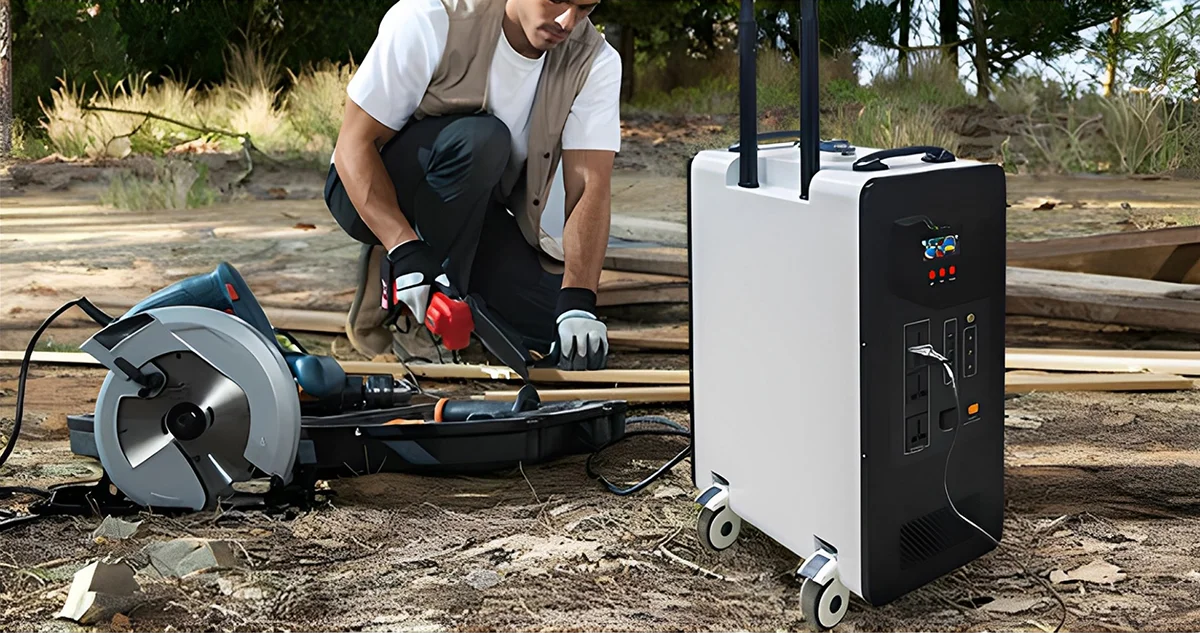
Mobile job sites: Check the combined load and startup demand of laptops, lighting, chargers and tools. Use the model datasheet and site safety rules to decide which equipment may be connected.
Q1: How should I estimate runtime for the 5kWh unit?
Runtime depends on usable battery energy, inverter efficiency, reserve settings, starting loads and actual operating hours. Use usable energy (Wh) divided by average load (W) as a planning estimate, then confirm the model-specific usable-energy and efficiency data before promising runtime.
Q2: What inverter is listed, and can it power sensitive equipment?
The current table lists a high-frequency inverter and 220V AC output. Compatibility still depends on equipment voltage, frequency, continuous power, surge demand, grounding and manufacturer instructions. Medical or safety-critical equipment requires approval from its supplier and a site-specific backup plan.
Q3: How much do the listed models weigh?
The current table lists 34kg for the 3kWh model and 57kg for the 5kWh model. Confirm final packed weight, handle and wheel configuration, terrain, steps and the safe handling method before delivery. A trolley does not establish one-person handling in every location.
Q4: What cycle-life evidence is listed?
The current table lists LiFePO4 batteries and more than 4,000 cycle times for both configurations. Ask for cycle-test conditions, depth of discharge, temperature, end-of-life threshold and warranty terms for the quoted model; the table alone does not establish years of service in every use case.
Video reference: Watch the linked Elecno video, High-Capacity Portable Power Stations (3kWh & 5kWh), as a visual introduction to this product family. For procurement, confirm the exact model, battery configuration, output, charger, connectors and included accessories in the quotation and model-specific datasheet.
Buyers searching for a 5kWh modular portable power station should separate the listed base-unit specifications from optional expansion features. The current table lists a 5kWh, 51.2V 100Ah LiFePO4 configuration with 5kW maximum stable rated output, 10kW peak rated output and a listed charging time of no more than two hours. It does not by itself confirm external battery expansion, parallel AC operation, the solar MPPT window or the maximum solar input. Request those values for the exact model and order configuration.
| Selection point | 3kWh model listed | 5kWh model listed | Buyer approval check |
|---|---|---|---|
| Stored energy | 3kWh | 5kWh | Calculate usable runtime from the actual load profile and conversion losses. |
| Nominal battery | 25.6V, 120Ah | 51.2V, 100Ah | Confirm the final battery configuration and model datasheet. |
| Stable rated AC output | 3kW listed | 5kW listed | Compare with simultaneous appliance watts, not one appliance alone. |
| Peak rated output | 6kW listed | 10kW listed | Confirm surge duration and motor-start behavior before approval. |
| Listed charging time | No more than 2 hours | No more than 2 hours | Request the charger power, input source and test conditions behind this value. |
| Expansion and parallel operation | Not stated in the current table | Not stated in the current table | Obtain the supported battery modules, cables, firmware and maximum system size in writing. |
Use the 5kWh modular portable power station checklist for a supplier-ready comparison, and review solar-panel and battery matching before selecting the PV array.
Before ordering, request the model-specific datasheet, battery and inverter limits, protection list, charging curves, connector drawings, applicable certificate reports, warranty terms, packing list and spare-parts scope. For OEM or distributor projects, also define branding, labels, manuals, firmware ownership, inspection method and acceptance criteria.
Prepare the load list and delivery requirements with the solar battery RFQ checklist, compare the home energy storage range, or send the project data for configuration review.
No. kWh is stored energy and kW is power. For this product, the table separately lists 5kWh stored energy and 5kW maximum stable rated output for the 5kWh model.
Not from the current specification table alone. Ask for the compatible expansion battery, communication protocol, cable set, firmware version and maximum supported capacity.
Confirm the model-specific MPPT voltage range, current limit, maximum PV watts and connector before selecting a panel string. Panel wattage alone is not enough.
Provide each appliance's running watts, starting watts, quantity and daily operating hours, then confirm usable battery energy and inverter efficiency.
For additional specifications, please get in touch with us. We are committed to providing comprehensive service
