
What Is a 5kWh Modular Portable Power Station? Buyer Checklist
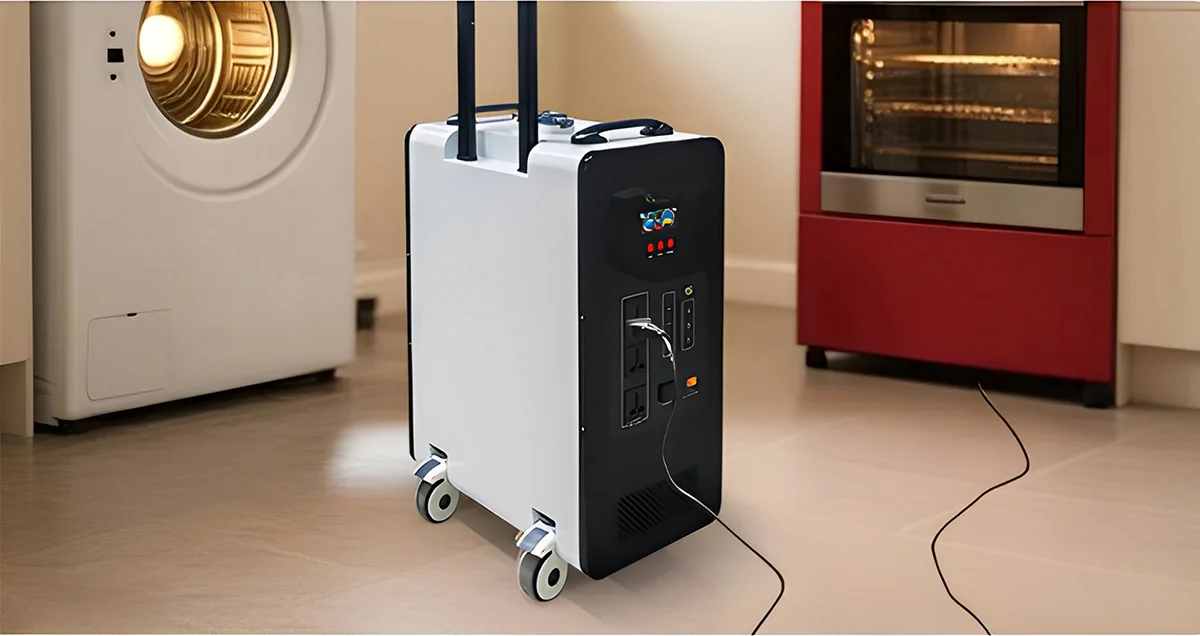
A 5kWh modular portable power station is a rechargeable LiFePO4 energy system with about 5 kilowatt-hours of stored energy, an integrated inverter, AC/DC/USB outputs and solar charging. Modular models may support additional battery packs, but expansion, AC output, MPPT limits and compatible accessories are model-specific. Buyers choose this format when they need movable backup, field power or temporary off-grid energy without installing a fixed home battery.
This checklist is written for distributors, retailers, project buyers and OEM teams comparing 3kWh and 5kWh portable power station options. It connects portable storage with the broader Home Energy Storage, Solar Panel, Solar Inverter and Battery Storage Buyer Resources pages so buyers can choose the right product level instead of forcing every job into one format.
Check AC output before checking capacity
Many buyers start with 5kWh because it sounds like a large portable battery. Capacity is important, but AC output often decides whether the product can run the intended equipment. Ask for rated AC power, surge power, output voltage, frequency options, socket type, waveform, overload protection and restart behavior. A 5kWh battery may have enough energy for several hours of use but still fail to start a high-surge compressor, pump or power tool.
For B2B orders, ask the supplier to provide tested load examples instead of only a marketing runtime chart. Useful evidence includes refrigerator cycling behavior, tool startup tests, charger compatibility, fan or pump testing and low-battery shutdown behavior. If the unit is used as backup, compare the output with the backup transfer and critical loads checklist.
Solar recharge must match the MPPT input
Portable power station buyers often overestimate solar recharge speed. The real recharge time depends on PV wattage, sunlight, panel angle, shading, cable loss, MPPT voltage range, maximum input current and battery temperature. Ask for PV input voltage range, maximum PV input power, connector type, recommended panel configuration and cold-weather voltage limit. A panel set that exceeds voltage limits can damage equipment, while a panel set below MPPT voltage may charge slowly or not at all.
The National Renewable Energy Laboratory provides PVWatts as a public tool for estimating solar energy production from PV systems. Reference: NREL PVWatts. Buyers can use local solar assumptions as a reality check, then confirm the exact MPPT limits with the supplier. For panel matching details, review the 600W solar panel buyer checklist and the solar panel battery storage matching guide.
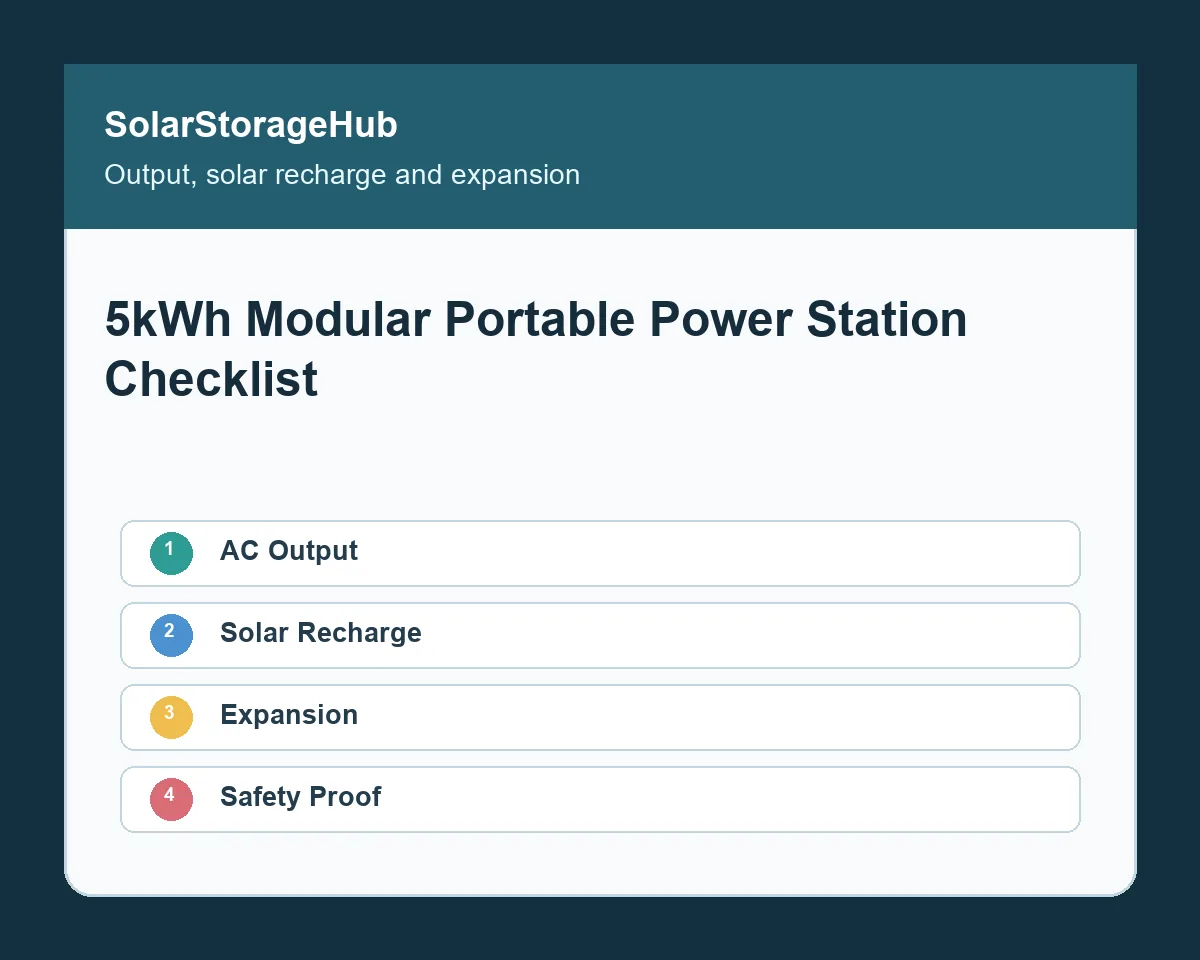
5kWh modular portable power station checklist
| Check item | What to request | Why it matters |
|---|---|---|
| AC output | Rated watts, surge watts, voltage, frequency and socket type. | Confirms whether the unit can run the intended equipment. |
| Battery capacity | Nominal Wh, usable Wh, cell chemistry and cycle-life claim. | Shows realistic runtime and long-term value. |
| Solar recharge | PV voltage range, input current, MPPT power and connector type. | Prevents slow charging, voltage mismatch or unsafe panel setup. |
| Expansion | Allowed extra battery modules, cable type and control logic. | Helps distributors sell a modular system instead of a one-time unit. |
| Safety documents | Test reports, labels, manual, shipping documents and battery paperwork. | Supports import, retail sales and after-sales claims. |
| Use environment | Operating temperature, storage temperature and cooling method. | Protects performance in outdoor, mobile or backup scenarios. |
| Warranty evidence | Serial number, commissioning photo, load test and customer-use records. | Reduces disputes when buyers report output or charging issues. |
Expansion is useful only when the rules are clear
Modular portable power stations can be attractive because buyers can start with one unit and add capacity later. The supplier should clearly explain the maximum number of expansion batteries, cable method, allowed firmware versions, charging behavior, discharge balancing and display logic. If expansion batteries use separate BMS units, ask how the main unit reads SOC and handles protection events.
Distributors should also ask whether expansion batteries can ship separately, whether the packaging protects connectors, and whether end users can install expansion modules without opening the main unit. If the product is sold to professional users, keep a simple setup checklist in the box. A modular product creates fewer support problems when buyers understand exactly what can and cannot be connected.
Portable does not mean no documentation
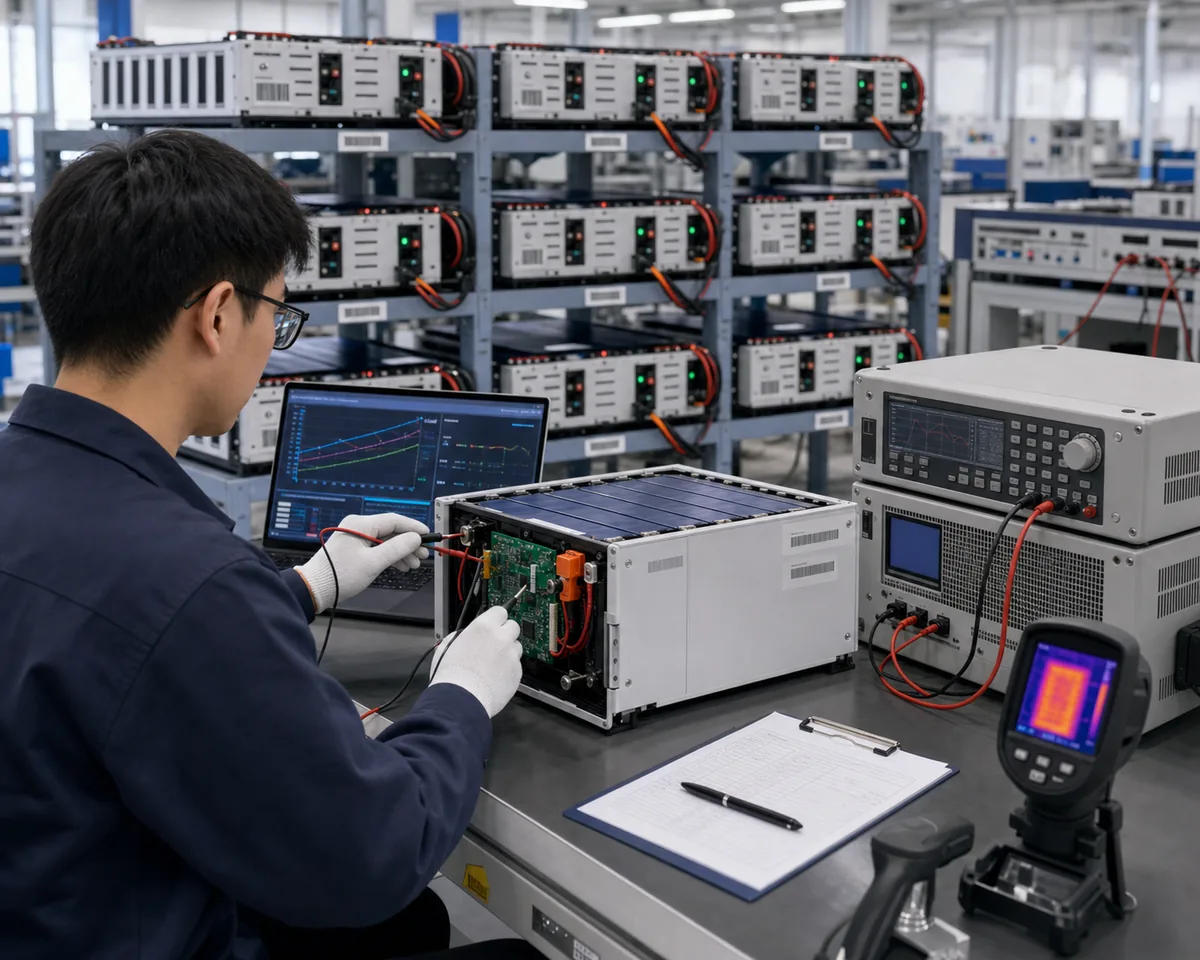
Portable power stations still contain lithium batteries and power electronics. For importers and B2B buyers, request datasheet, user manual, label photo, battery test evidence, MSDS, UN38.3 where applicable, packing photo, charger specification and warranty statement. If the unit includes AC output, DC output, USB-C, car socket and solar input, the manual should show each output limit clearly.
SolarStorageHub reviews battery capacity, inverter output, PV input, shipping assumptions and buyer documentation before quotation. If the project is larger than a portable unit, compare with C&I ESS or fixed home battery storage before deciding. For an RFQ, the buyer can use the solar battery RFQ checklist and then send application, output demand, solar panel plan, certification need and quantity through the Contact page.
Why Choose a 5kWh Modular Portable Power Station?
A 5kWh modular portable power station is a good fit when the buyer needs movable storage, simple setup, multiple output ports and solar recharge without installing a fixed battery system. It can work for vans, remote work, camping, field testing, emergency backup, event booths and small off-grid loads. It is also easier to demonstrate in retail or distributor channels than a fixed wall battery.
It is not always the right choice. If the buyer needs whole-home backup, automatic transfer, high surge power, long daily cycling or permanent solar integration, a fixed battery and hybrid inverter may be better. If the buyer needs high kW and commercial control, a cabinet or container ESS is more realistic. The right product depends on load power, daily energy use, recharge method and service expectations.
Related buyer guide: Portable power station buyers should match PV input voltage and current with the panel configuration. Read 600W Foldable Solar Panel Checklist: 24V Output, MPPT and Power Stations.
When a portable power station needs a movable PV source, compare its input window and current limit with the 600W foldable solar panel; do not approve the match from wattage or a 24V label alone.
For a current 3kWh and 5kWh product example, review the listed stored energy, stable AC output, peak output and charging-time values on the 3kWh and 5kWh LiFePO4 portable power stations page. Treat battery expansion, inverter parallel operation and PV input limits as model-specific items that still require written confirmation.
FAQ
What can a 5kWh portable power station run?
It depends on AC output and load size. Small appliances, chargers, lights and tools may work, but high-surge equipment must be checked against surge power.
How long does solar recharge take?
Recharge time depends on panel wattage, sunlight, MPPT input limits, shading and cable loss. The datasheet should provide realistic PV input limits.
Is modular expansion worth it?
It can be useful if the expansion batteries, cables, firmware and SOC display are clearly supported by the supplier.
Can a portable power station replace a home battery?
Usually not for whole-home backup. It can support selected loads, but fixed home batteries handle permanent wiring, transfer and larger capacity better.
What documents should distributors request?
Request datasheet, manual, label photo, battery paperwork, packing photo, charger specification, test evidence and warranty terms.
Can I connect any solar panel?
No. The solar panel voltage, current, connector and wiring method must stay within the portable power station MPPT input limits.
When should SolarStorageHub review the product choice?
Before order confirmation, especially when the buyer needs OEM branding, solar panel matching, certification documents or a repeat distributor order.
Related SolarStorageHub Resources
If you are turning this article into a buying decision, compare the relevant product families and send your inverter model, target capacity, installation country, and quantity plan for confirmation.