
C&I ESS Manufacturing Quality Plan: ITP, Hold Points and Traceability
A C&I ESS manufacturing quality plan maps each production and test stage to the approved requirement, responsible party, inspection record and release decision. It should tell the buyer when work can continue, which stages require review, witness or hold points, how cells and major components remain traceable to the delivered cabinet, and how nonconformances close before shipment.
This guide is for buyers, EPC teams and project engineers preparing a factory-control package for commercial and industrial battery storage. It does not set product-specific acceptance values, certify a factory or replace the contract, approved drawings, applicable standards or competent safety decisions. Use the C&I ESS manufacturing checklist for supplier-scope questions; use this page to structure the quality plan and its records.
What a C&I ESS Manufacturing Quality Plan Should Control
The quality plan should identify the purchase order, project, equipment scope, applicable specification revisions and responsibility matrix. It should connect design release, incoming components, assembly, configuration control, inspections, FAT, packing and shipment release. Each activity needs an acceptance reference and a record that can be traced to the equipment being released.
ISO 10005:2018 provides general guidance for quality plans, while ISO 9001:2015 addresses quality-management-system requirements. These official ISO pages may restrict automated access. Citing a standard does not prove that a supplier, factory or product is certified or compliant; request the actual evidence required for the project.
Quality Plan, ITP and FAT Are Related but Not Interchangeable
A manufacturing quality plan is the umbrella document. The inspection and test plan, or ITP, converts the approved manufacturing route into checkpoints. FAT is one controlled stage within that route. A strong package also includes approved drawings, bill-of-material controls, work instructions, calibration status, traceability rules, nonconformance handling and release authority.
| Document or record | Primary purpose | Buyer check |
|---|---|---|
| Manufacturing quality plan | Defines scope, responsibilities, controls, records and release process. | Does it match the order, current revisions and contractual responsibilities? |
| ITP | Lists production stages, inspection or test method, acceptance reference and intervention point. | Are review, witness and hold points defined with notice and release rules? |
| Work instruction | Explains how an approved operation is performed and recorded. | Is the correct revision available at the workstation? |
| FAT procedure | Defines the final factory test configuration, sequence, acceptance criteria and report. | Does it test the approved equipment configuration and required interfaces? |
| Nonconformance record | Documents a departure, containment, disposition, approval and closure evidence. | Are affected identities and warranty or re-test effects visible? |
| Release note | Confirms that required records and authorized concessions are complete before shipment. | Can the release be traced to the exact cabinet or container? |
Define Review, Witness and Hold Points in the Contract
Terms vary between organizations, so define them in the purchase documents instead of assuming a universal meaning. A review point may require document approval before the associated stage. A witness point normally allows an identified party to attend after the agreed notice. A hold point normally prevents progression until the named release is recorded.
The ITP should state who is notified, how much notice is required, what evidence is sent in advance, whether remote witnessing is permitted and what happens when the buyer does not attend. Avoid placing hold points on every routine activity: uncontrolled delays can encourage informal bypasses. Use them where an irreversible step, concealed work or high-consequence release justifies formal intervention.
Build Traceability From Components to the Released Equipment
Traceability should allow a reviewer to start with a delivered cabinet or container and find its approved configuration, major component identities, inspection history, software or firmware baseline where relevant, FAT report and deviations. The reverse path should also work: a component or lot issue should identify the affected finished equipment without treating the entire project as one undifferentiated batch.
Define which identities must be captured for cells, modules, racks, BMS, PCS, protection devices, HVAC, fire-safety interfaces, meters and communication hardware. The required depth depends on the contract and project risk. A photograph of a nameplate is useful evidence, but it is not a traceability system unless the identity is linked to the BOM, work order and test record.

Control Incoming Components and Approved Substitutions
Incoming inspection should match the risk and approved component list. Verify identity, supplier, quantity, condition and required certificates or test reports before material is released to production. For critical components, record the lot or serial identity and link it to the work order. Quarantine damaged, unidentified or unapproved material so it cannot be consumed while a decision is pending.
A substitution is a design and commercial decision, not a warehouse convenience. Require documented technical review, buyer approval when the contract requires it, updated drawings or BOM, compatibility review, re-test scope and warranty impact. The C&I ESS supplier qualification checklist helps separate supplier capability from project-specific component approval.
Record Assembly Checks and Configuration Baselines
The ITP should identify assembly characteristics that require records rather than relying on a final visual check. Examples can include enclosure build, cable routing, protective bonding, connector engagement, labeling, programmed settings, communication mapping and controlled tightening operations when the approved procedure requires them. Acceptance values must come from the approved engineering documents and component instructions.
Record the configuration that enters FAT: drawing revisions, hardware options, BMS and PCS versions, EMS interface, protection settings and enabled functions where applicable. If software changes after testing, the change record should state what changed and which tests must be repeated. A FAT report without a configuration baseline cannot prove which version was tested.
Plan FAT Evidence Before the Test Starts
The FAT procedure should be approved before the test date and identify test equipment, calibration status, prerequisites, safe test boundaries, expected configuration, acceptance references and report format. Define which results are measured values, pass/fail observations, screenshots, event logs or signed checks. The LiFePO4 battery factory acceptance test guide provides a separate buyer-facing FAT review path.
Depending on the ordered scope, FAT evidence may cover visual completion, insulation or protection checks, BMS communication, alarm and interlock behavior, PCS or EMS interfaces, HVAC response, metering, operating modes and safe shutdown. Do not copy a generic test list into the contract without confirming applicability. A cabinet-only delivery and a fully integrated container have different interfaces and responsibility boundaries.
Close Nonconformances and Deviations With an Audit Trail
Every nonconformance record should identify the affected equipment, requirement, observed condition, containment and responsible owner. The disposition may be rework, repair, use-as-is concession, return or another contractually accepted route. Record the technical justification, authorized approvals, completed action, re-inspection or re-test evidence and closure date.
Do not hide open items in meeting minutes or an email thread. If shipment with an accepted deviation is permitted, connect the concession to the equipment identity and show remaining site actions, documentation updates and warranty effect. Repeated nonconformances should also trigger a broader review of process control rather than being closed as isolated paperwork events.
Build a Shipment Release File That Can Be Audited
Before packing release, reconcile the quality-plan deliverables against the actual serial list. The file should be usable by the buyer, installer and warranty team without reconstructing the project from scattered messages. Keep controlled revisions and distinguish approved documents from drafts.
| Release-file section | Typical evidence | Release question |
|---|---|---|
| Approved configuration | Drawings, BOM, data sheets, option list and firmware baseline where required. | Is this the exact configuration tested and packed? |
| Traceability | Cabinet or container serials linked to major component, lot and work-order records. | Can each delivered identity be reconstructed? |
| Inspection records | Incoming, assembly, visual and dimensional checks required by the ITP. | Are required checkpoints signed and complete? |
| FAT | Approved procedure, raw evidence, results, attendees and final report. | Were acceptance criteria met on the released configuration? |
| Deviations | NCRs, concessions, rework and re-test evidence. | Are open items authorized, visible and assigned? |
| Packing and shipment | Packing list, serial list, preservation, labels and loading release. | Does packed equipment match the quality release? |
When PV modules ship with the storage equipment, keep a separate module release record. The solar panel pre-shipment inspection checklist covers serial-linked flash data, EL evidence, packaging and container loading before the shipment is released.
Questions to Add to the RFQ or Purchase Order
Ask the supplier to submit a project-specific quality plan and ITP for approval before production. Define required document timing, intervention points, notice periods, traceability depth, FAT witness method, language, file format and retention period. State which substitutions require approval and who can accept deviations. Use the solar battery RFQ checklist to align these quality requirements with technical and commercial inputs.
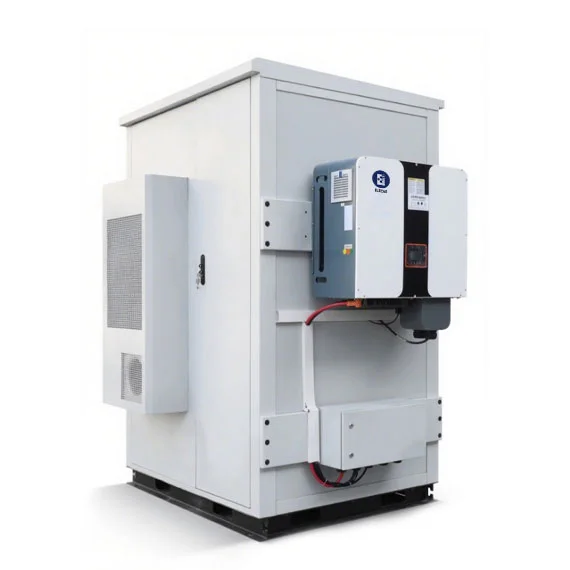
For equipment scope, compare the all-in-one outdoor battery storage cabinet and 20ft and 40ft containerized BESS pages, then request the exact drawings, interfaces and acceptance plan for the quoted configuration. A catalog image or general certificate should never substitute for the project BOM and approved quality records.
What the Quality Plan Does Not Prove
A complete document set does not by itself prove long-term performance, site compatibility or regulatory acceptance. The project still needs correct engineering, applicable certifications, installation controls, commissioning and operating records. The C&I ESS commissioning checklist covers FAT-to-SAT handover, EMS integration and site acceptance after manufacturing release.
Quality planning also cannot remove all defects. Its purpose is to define controls, make evidence traceable and prevent unresolved exceptions from disappearing between factory, shipment and site. Buyers should review the records proportionate to risk and use competent technical, safety and legal advice for the project jurisdiction.
C&I ESS Manufacturing Quality Plan FAQ
Is an inspection and test plan the same as a manufacturing quality plan?
No. The quality plan defines the broader controls, responsibilities, records and release process for the order. The ITP is usually the stage-by-stage schedule of inspections, tests, acceptance references and review, witness or hold points. The contract should define the relationship and terminology.
What is the difference between a hold point and a witness point?
In an agreed ITP, a hold point normally prevents the named work from proceeding until the required release is recorded. A witness point gives the named party an opportunity to attend after proper notice. The contract must define both terms, notice periods and what happens if a witness does not attend.
How much traceability should a C&I ESS buyer request?
Traceability should match project risk and the approved specification. At minimum, buyers should be able to connect the delivered cabinet or container to its configuration baseline, major component identities, firmware versions where relevant, inspection records, FAT results, deviations and shipment release file.
Can equipment ship with an open nonconformance report?
Only when the contract permits it and the authorized parties document an accepted concession or deviation with scope, technical disposition, residual actions and warranty effect. Silence, an email without authority or a future promise is not a controlled closure record.
Does ISO 9001 certification prove that a C&I ESS product meets the project specification?
No. A quality-management-system certificate and a project-specific product acceptance decision are different. Buyers still need the approved design, component records, inspection evidence, FAT results, deviations and release authorization required by the contract.
Who should sign the final manufacturing release?
The agreed responsibility matrix should name the supplier role that releases the equipment and any buyer, EPC or third-party approvals required. Signatures should identify the order, equipment identity, revision, open-item status and date rather than exist as an isolated approval page.
Final Release Rule
Do not treat manufacturing completion as quality release. Release only the identified equipment whose required inspections, traceability, FAT evidence and authorized deviation closures match the approved revision. Keep the quality file connected to packing, shipment and site handover. For related buyer checklists, use the Battery Storage Buyer Resources hub; for a project-specific review, send SolarStorageHub the equipment scope, quality-plan index and open-item list.
Related SolarStorageHub Resources
If you are turning this article into a buying decision, compare the relevant product families and send your inverter model, target capacity, installation country, and quantity plan for confirmation.