
Solar Battery Installer Resources: Site Survey, Commissioning and Handover
Solar battery installer resources should connect the project from site survey to handover, with every model, setting and test result traceable. A good resource pack is more than an installation manual. It should help the installer confirm the load objective, electrical boundary, battery-inverter compatibility, protection plan, commissioning sequence, owner training and warranty evidence before the system is energized.
This guide is for residential and small-commercial installers, EPC teams, distributors and technical sales teams preparing battery storage projects. It is a workflow hub, not a substitute for manufacturer instructions, licensed electrical design, local codes, utility requirements or authority approval. Use only the procedures and settings approved for the exact equipment and installation location.
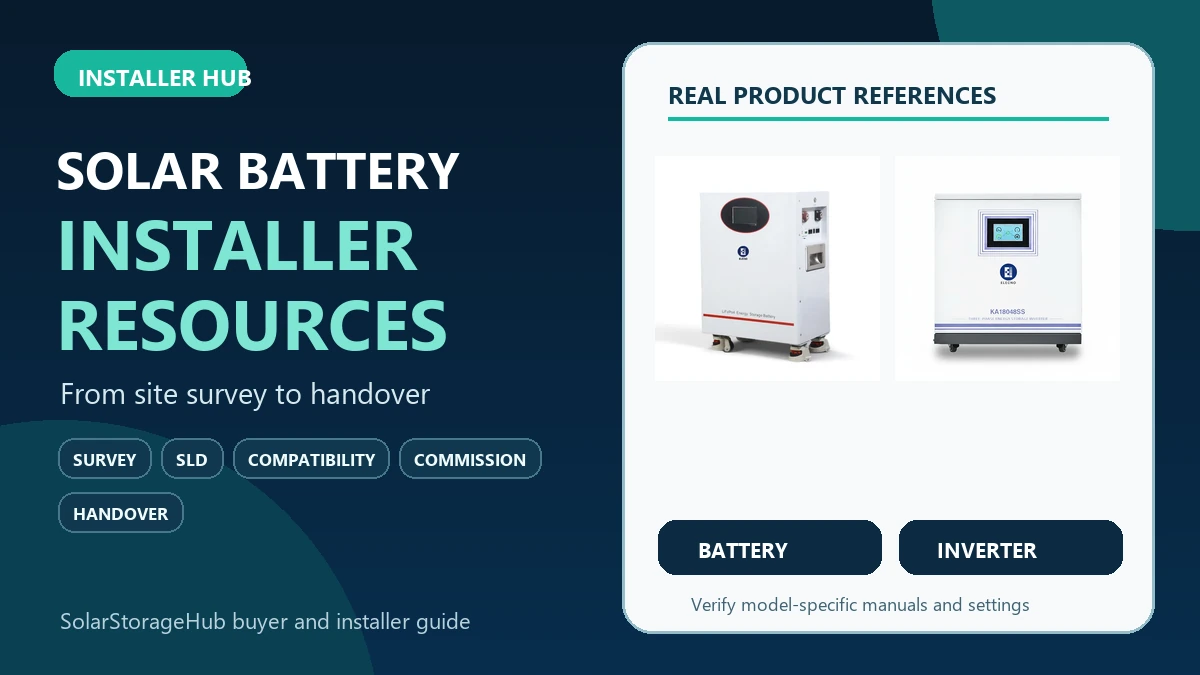
Solar Battery Installer Resource Path at a Glance
Organize the project file by stage instead of keeping unrelated photos, messages and datasheets in one folder. The table below shows the minimum decision at each stage and the record that should remain after the work is complete.
| Project stage | Installer decision | Record to keep |
|---|---|---|
| Site survey | What loads, supply arrangement, PV system, backup duty and installation conditions must be supported? | Survey form, photos, load list, voltage data and marked installation location. |
| Design and SLD | Where are isolation, protection, metering, earthing, transfer and grid connections defined? | Approved single-line diagram, cable schedule and equipment list. |
| Compatibility | Do the exact battery and inverter models share a supported voltage, current, protocol and firmware combination? | Compatibility statement, manuals, firmware versions and approved settings. |
| Installation | Does the physical work match the drawings, clearances, wiring instructions and environmental limits? | Installation checklist, torque records where required, labels and photographs. |
| Commissioning | Do communications, metering, charging, discharging, backup and safety functions operate as designed? | Commissioning sheet, parameter export, test values and issue log. |
| Handover | Can the owner operate, monitor, isolate and maintain the system without losing warranty evidence? | Final drawings, manuals, credentials, training sign-off and warranty file. |
1. Start With a Site Survey That Defines the Duty
The survey should explain why storage is being installed. A backup project needs a critical-load list, acceptable transfer behavior and expected outage duration. A solar self-consumption project needs PV size, export rules, daytime load and expected excess generation. A time-of-use project needs tariff periods and an operating schedule. Without a defined duty, the installer cannot select usable kWh, inverter kW or reserve state of charge.
Record the supply phase, nominal voltage, service capacity, earthing arrangement, existing PV and inverter details, main-board space, cable route, isolation points, meter and CT locations, communications access, ambient conditions, flood or weather exposure, mounting surface and service clearance. The battery storage site-survey checklist provides a deeper project-input list, while the backup-load checklist helps separate essential circuits from loads that exceed the planned inverter or battery.
2. Freeze the Equipment List and Single-Line Diagram
Before equipment is delivered, issue a controlled equipment list with the exact battery, inverter, meter, CT, transfer device, protection equipment, communication accessories and firmware assumptions. Product-family names are not enough. A revision in battery module, inverter model or communication board can change voltage limits, current settings, cable requirements and protocol support.
The single-line diagram should show the electrical boundary and responsible party. Identify AC and DC isolation, protection, conductor sizes, earthing, metering, backup or EPS circuits, PV connection, generator interface where applicable and the point of grid connection. The diagram must be reviewed against local rules and the manufacturer's instructions. The solar battery installation guide gives a general sequence, but the approved project drawing controls the real installation.
3. Prove Battery-Inverter Compatibility Before Wiring
Compatibility requires more than matching a nominal voltage label. Compare the battery operating voltage, inverter DC window, continuous and peak current, number of parallel batteries, allowed charge and discharge current, pre-charge behavior, breaker or fuse requirements, communication port, CAN or RS485 protocol, address settings, termination, firmware and approved battery profile.
Use the LiFePO4 battery and inverter compatibility guide, the CAN versus RS485 field checklist and the hybrid inverter compatibility checklist before quotation and again before installation. Save the supplier confirmation with exact model numbers and firmware. Do not copy settings from a visually similar system.
4. Build the Document Pack Before Installation Day
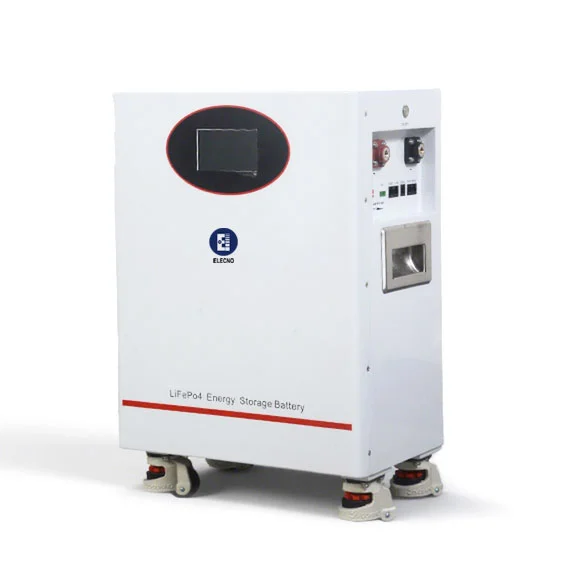
The site team should receive current manuals, datasheets, packing list, labels, serial-number plan, approved drawings, compatibility evidence, protection settings, cable and terminal information, communication diagram, commissioning procedure, safety data and warranty conditions. If a document belongs to another model or revision, flag it before work starts.
Certification reports must match the quoted model and configuration; a logo or certificate number on a brochure is not enough. The battery certification document guide explains model and scope checks. UL's energy storage system testing and certification information and the NFPA 855 standard information are useful references for document categories and system-level safety context. Final requirements remain project- and location-specific.
5. Record Installation Quality, Not Only Completion
Installation records should make the finished work auditable. Photograph labels, serial numbers, cable routes, terminations, protection devices, isolation points, earthing, communications and the equipment clearances that the manufacturer requires. Record tightening or torque values only where the equipment procedure specifies them, using calibrated tools where required. Never invent a generic torque value for terminals from a different product.
Check polarity, conductor identification, cable support, gland sealing, ventilation openings, mounting stability, drainage or weather protection, CT orientation, meter location and communication termination before energization. Keep a deviation list for anything that does not match the drawing or manual, and assign a responsible party and closure evidence.
6. Commission Functions in a Controlled Sequence
Commissioning should begin with equipment identity, firmware and visual checks before power is applied. Follow the manufacturer's energization order. Confirm battery communication, state-of-charge reporting, voltage and current values, meter and CT direction, alarms, charge and discharge limits, PV charging, export-control behavior and backup or EPS operation where included.
The hybrid inverter commissioning checklist covers CT direction, export limit and battery protocol checks. Record the initial settings before tests, every approved change, measured results and the final parameter set. A screen showing “normal” is not enough if the installer cannot later prove which firmware, battery profile and limits were active.
7. Test the Operating Objective, Not Just Basic Power Flow
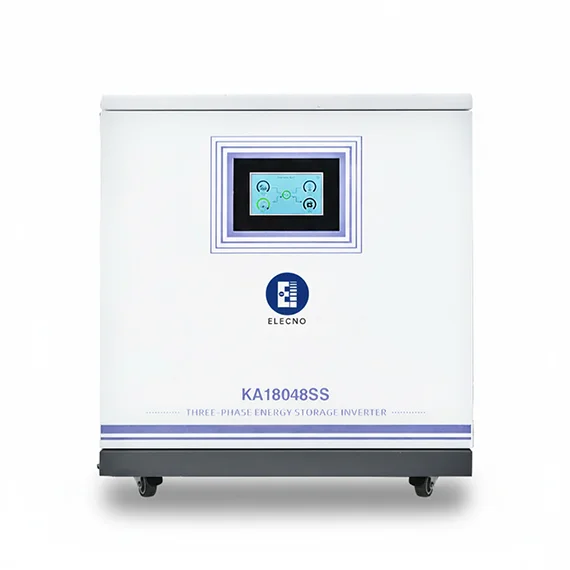
A system may charge and discharge yet still fail its intended duty. For backup, test the defined critical load, transfer behavior, restart sequence and reserve state of charge. For self-consumption, confirm that PV surplus charges the battery and that discharge follows the intended load and time window. For export control, confirm CT direction, meter data, setpoint response and fallback behavior when communication is interrupted.
Test results should include date, responsible technician, operating state, initial SOC, load, PV conditions where relevant, measured values, pass criteria, outcome and corrective action. If a full-power test cannot be performed, record the limitation instead of marking the function as fully verified.
8. Hand Over an Owner File That Protects the Warranty
The owner should receive final drawings, manuals, serial numbers, approved settings, monitoring access, shutdown and restart instructions, emergency contacts, maintenance schedule, test sheets, photographs, warranty terms and an open-item list. Explain which settings the owner may change and which require installer or manufacturer approval.
Use the home battery installation handover checklist for the owner package. The battery warranty-claim evidence guide shows why commissioning records, BMS logs and installation photos matter later. A good handover file reduces troubleshooting time and prevents uncertainty about the original configuration.
Minimum Installer Evidence Register
| Evidence item | Minimum identifier | Completion check |
|---|---|---|
| Equipment identity | Model, serial number and firmware | Matches the approved equipment list and manuals. |
| Compatibility | Battery and inverter model pair | Supplier-approved voltage, current, protocol and firmware are recorded. |
| Drawings | Revision and approval date | Installed arrangement matches the final SLD or deviations are closed. |
| Settings | Parameter export or signed setting sheet | Initial changes and final approved values are traceable. |
| Functional tests | Date, technician and test condition | Charge, discharge, metering, backup and export functions are recorded as applicable. |
| Installation photos | Location and equipment reference | Labels, wiring, isolation, earthing and clearances are visible. |
| Handover | Owner or representative sign-off | Manuals, access, training, warranty and open items are acknowledged. |
How to Use These Resources Before Quotation
Start with the solar battery RFQ checklist and provide the installer with the site objective, load information, supply details, PV system, backup circuits, installation location and target schedule. Then use the project-stage table above to decide which documents are required before price confirmation, equipment release and site work.
The Battery Storage Buyer Resources hub connects related selection and evidence guides. The U.S. Department of Energy energy storage information provides broader technical context about storage technologies and applications. For a product-specific review, send SolarStorageHub the equipment list, single-line diagram and required operating mode; final design and installation approval must remain with qualified project professionals.
Solar Battery Installer Resources FAQ
What should a solar battery installer resource pack contain?
It should contain site-survey inputs, an approved single-line diagram, equipment manuals, battery-inverter compatibility evidence, protection and cable information, commissioning forms, parameter records, test results, serial numbers, installation photos and handover documents.
When should battery and inverter compatibility be confirmed?
Confirm compatibility before quotation and again before installation. Check the exact battery and inverter models, DC voltage window, current limits, communication protocol, supported firmware and the manufacturer's approved settings.
Is a single-line diagram enough for commissioning?
No. The single-line diagram defines the electrical arrangement, but commissioning also requires model-specific manuals, settings, communication maps, protection checks, functional tests and recorded results.
Which commissioning tests should be recorded?
Record identity and firmware checks, communication status, meter and CT direction, charge and discharge operation, state-of-charge limits, backup transfer where applicable, PV charging, alarms, export control and safe shutdown. Use the manufacturer procedure and local requirements.
What should the installer give the owner at handover?
Provide final drawings, manuals, serial numbers, approved settings, test sheets, photos, shutdown and restart instructions, monitoring access, warranty terms, maintenance schedule and an open-item list with responsible parties.
Can one installer checklist be used in every country?
No. Product manuals and general checklists support the workflow, but electrical codes, fire requirements, utility rules, permits and authority approvals depend on the installation location and project type.
Final Installer Rule
Use solar battery installer resources to create one traceable project file: exact equipment identity, approved drawings, compatibility evidence, model-specific settings, measured test results and owner handover records. If a configuration or requirement is uncertain, stop before energization and obtain written clarification from the responsible manufacturer, designer, utility or authority.
Related SolarStorageHub Resources
If you are turning this article into a buying decision, compare the relevant product families and send your inverter model, target capacity, installation country, and quantity plan for confirmation.