
Home Battery Storage Backup Load List: Essential Circuits, Runtime and Inverter Limits
Buyer note: A home battery storage quote should begin with the backup load list, not only the battery capacity. A 5kWh, 10kWh, 15kWh or 30kWh battery can perform very differently depending on essential circuits, inverter output, starting surge, usable depth of discharge, solar recharge and the homeowner's expectation during an outage.
This guide is written for distributors, installers and project buyers comparing Home Energy Storage, Solar Inverter, Solar Panel and smaller C&I ESS paths. Use it with the Battery Storage Buyer Resources hub and send project details through Contact when you need a cleaner battery-to-inverter matching review.
Why the load list comes first
Many home storage problems start with a vague expectation: "I want the house to run for a day." That sentence does not tell the installer which loads matter, how much power they draw, whether any motors start at the same time, or whether solar can recharge the battery during the outage. A backup load list turns that expectation into a practical design input.
The load list should separate essential circuits from comfort loads. Essential loads may include refrigerator, lights, Wi-Fi router, security system, medical equipment, garage door, phone charging and a few outlets. Comfort loads may include air conditioning, electric oven, water heater, pool pump or laundry equipment. Mixing these groups together can make the quote look attractive but unreliable.
Home backup load checklist
| Load type | What to record | Why it matters |
|---|---|---|
| Refrigerator/freezer | Running watts, starting surge and expected duty cycle. | Often essential, but compressor starting current can affect inverter choice. |
| Lighting | Number of circuits, LED or older fixtures and evening use hours. | Usually predictable and easy to support with modest battery capacity. |
| Router/security | Continuous watts and whether the circuit must stay live all day. | Low power, but important for communication and monitoring. |
| Well pump or small motor | Running power, starting surge and how often it starts. | Can trip an undersized inverter even when battery kWh looks sufficient. |
| Air conditioning | Rated power, starting behavior, operating hours and whether backup is required. | Can consume battery capacity quickly and may require a larger inverter. |
| Medical or safety loads | Required runtime, backup priority and acceptable interruption time. | Needs conservative sizing and careful circuit planning. |
Estimate usable kWh before promising runtime
Battery nameplate capacity is not the same as usable backup energy. A 10kWh battery may not provide 10kWh to the loads after depth of discharge settings, inverter conversion loss, temperature, reserve margin and battery aging are considered. Buyers should discuss usable kWh with the supplier before promising backup hours to a homeowner.
For a practical calculation method, use How to Estimate Battery Storage Runtime. A simple first pass is to divide usable battery energy by the average essential load, then adjust for surge, inverter limits and solar recharge. The result should be treated as a planning estimate, not a guarantee.
Check inverter output and starting surge
Battery size and inverter output must be checked together. A battery may have enough energy for several hours of backup, but the inverter may still overload when a pump, refrigerator or air conditioner starts. This is why a buyer should not choose only by kWh.
Before quoting, confirm the inverter's continuous output, surge rating, AC voltage, phase, transfer behavior, communication mode and battery voltage range. For protocol questions, read Solar Inverter and Battery Matching Mistakes and LiFePO4 Battery Inverter Compatibility.
Use solar recharge carefully
Solar panels can extend backup time, but only when there is enough sunlight, PV capacity, inverter support and battery charge acceptance. During cloudy weather or short winter days, solar recharge may be much lower than the homeowner expects. If backup is critical, the quote should not rely on ideal solar conditions.
Early PV output can be estimated with tools such as NREL PVWatts, then adjusted for local roof angle, shading, inverter clipping and season. If the buyer is still selecting modules, connect the design with the Solar Panel product path and review how much daytime surplus can realistically recharge the battery.
Choose the right battery format
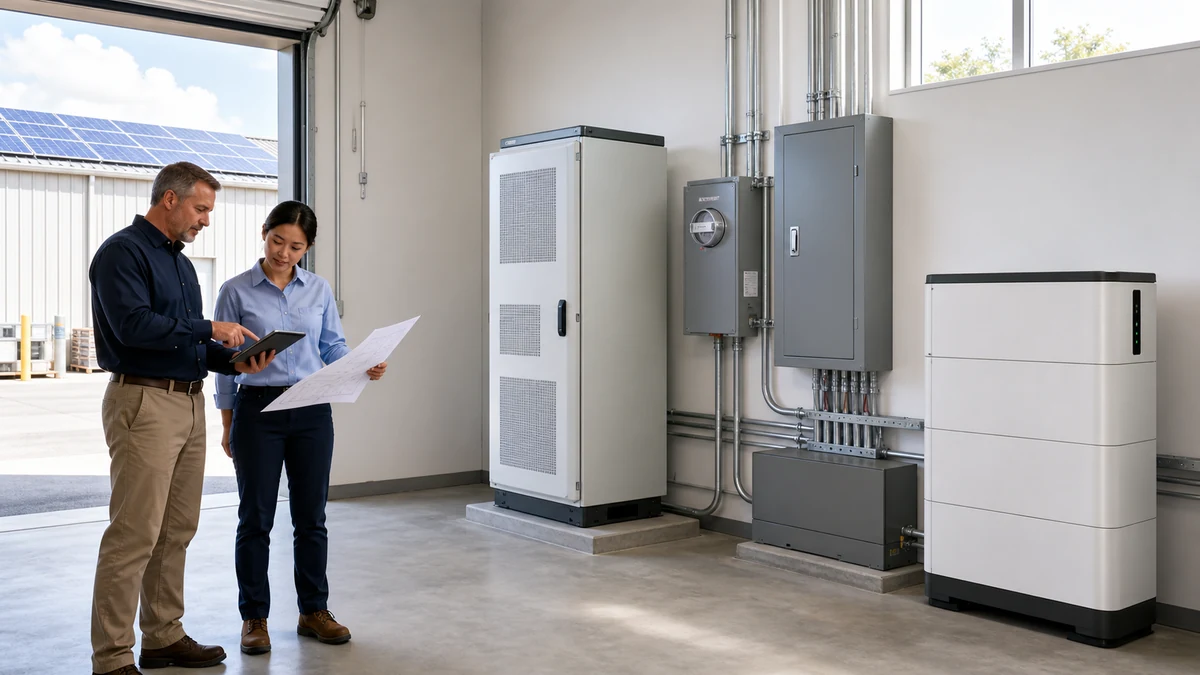
Home storage buyers may compare wall-mounted, rack-mounted, stacked or floor-mounted LiFePO4 batteries. A wall-mounted unit can save space and suit smaller backup targets. A rack-mounted setup may be easier to expand in a utility room. A floor-mounted battery can be useful for larger capacity, such as 30kWh class projects, when the site has space and the inverter can support the current.
For product format comparison, read Wall-Mounted vs Rack-Mounted LiFePO4 Batteries and What Can a 30kWh LiFePO4 Battery Run?. The correct format depends on load profile, inverter compatibility, floor or wall space, future expansion and local installation practice.
Keep warranty evidence from the first day
Residential battery projects also need after-sales records. Keep product labels, serial numbers, installation photos, inverter settings, BMS screenshots, alarm history and commissioning notes. If a warranty question appears later, these records help the supplier understand whether the issue is product, installation, inverter setting, load behavior or site condition.
The LiFePO4 Battery Warranty Claim Evidence guide explains what to keep. For safety and documentation context, external references such as the U.S. Department of Energy homeowner solar guide and UL Solutions energy storage system testing and certification can help buyers understand why system-level review matters.
What to send before a home battery quote
A strong quote request should include the essential load list, target backup hours, inverter model if selected, PV size, installation country, battery format preference, available space, indoor or outdoor location, document needs and order plan. If the buyer is unsure, send a rough load list first; a supplier can help turn it into a clearer product path.
SolarStorageHub can help compare home battery capacity, inverter matching, solar recharge assumptions, warranty evidence and documentation. Send project details through Contact when the load list is ready.
Related buyer guide: After defining essential circuits, use this transfer-time checklist to test which loads stay online, restart or need a separate UPS. Read Home Battery Backup Transfer Time Checklist: EPS Output, Critical Loads and Restart Testing.
For a compact floor installation, compare the load list with the 5kWh floor-mounted solar battery, including its 10kWh and 15kWh capacity options. View the product and buyer checks.
FAQ
What should be included in a home backup load list?
Include each essential load, running watts, starting surge if known, operating hours, backup priority and whether it must run during every outage.
Can a 10kWh battery run a whole house?
Usually not for long if all loads are included. A 10kWh battery is more realistic when it supports selected essential circuits rather than air conditioning, oven, water heating and other high-power loads.
Why does inverter size matter if the battery has enough kWh?
The inverter controls how much power can be delivered at one time. Motors, pumps and compressors can exceed inverter surge limits even when the battery has enough stored energy.
Can solar panels recharge the battery during an outage?
They can if the system supports solar charging during backup mode and if sunlight is available. PV size, weather, shading and inverter behavior all affect recharge speed.
Which home battery format is best?
There is no universal format. Wall-mounted, rack-mounted, stacked and floor-mounted batteries should be compared by space, capacity, expansion plan, installer familiarity and inverter support.
What records should be kept after installation?
Keep serial numbers, installation photos, inverter settings, BMS screenshots, alarm records, firmware notes and commissioning files for after-sales and warranty review.
Where should buyers send a load list?
Send the load list, inverter model, PV size, target backup time and installation details through the Contact page for battery matching support.
Related SolarStorageHub Resources
If you are turning this article into a buying decision, compare the relevant product families and send your inverter model, target capacity, installation country, and quantity plan for confirmation.