
C&I ESS Exporter and Wholesaler Checklist: Factory, Documents, Shipping and Warranty
C&I ESS exporters and wholesalers should be compared by more than container price and catalog capacity. A reliable supplier should identify the legal seller, the factory behind each major component, the order-specific bill of materials, the documents available before shipment, the factory acceptance test, packaging and dangerous-goods workflow, delivery responsibilities, and the person who owns warranty coordination after commissioning.
This checklist is for distributors, EPC companies and project buyers sourcing commercial and industrial energy storage systems across borders. It separates export and wholesale execution from the manufacturing checks covered in our C&I ESS manufacturer checklist. Use it to turn a quotation into a traceable approval file; adjust the final requirements for the destination country, transport mode and project authority.
1. Identify the Seller, Exporter, Factory and Integrator
Four names can appear in one transaction: the company receiving payment, the customs exporter, the battery or cabinet factory, and the system integrator. They may be the same business, related businesses or independent partners. Record the registered legal name and role of each one. The quotation, proforma invoice, contract, bank beneficiary, packing list and warranty contact should not contradict one another without a written explanation.
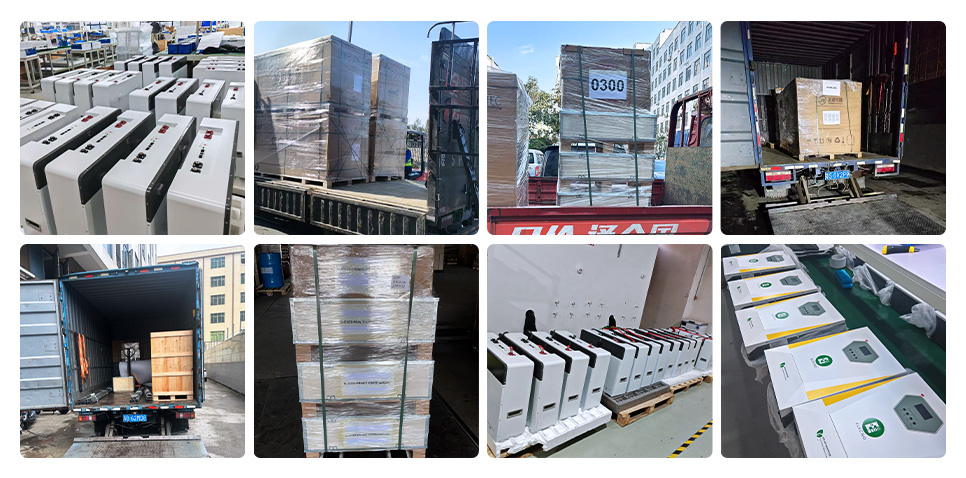
Ask where cells or modules are assembled, where cabinets are integrated, where the PCS and EMS are configured, and where the FAT will occur. If production is subcontracted, require the exporter to name the subcontractor and remain contractually responsible for the delivered system. A showroom video or factory photograph is supporting evidence, but it does not replace an order-specific bill of materials and inspection record.
2. Confirm the Commercial Scope Before Comparing Price
Normalize every quotation to the same boundary. One offer may include battery racks only, while another includes PCS, EMS, HVAC, fire protection, transformer, switchgear, installation guidance and commissioning. Clarify rated power, usable energy, operating voltage, expected depth of discharge, environmental conditions, enclosure rating, grid mode, backup requirement and communication interfaces before comparing cost per kilowatt-hour.
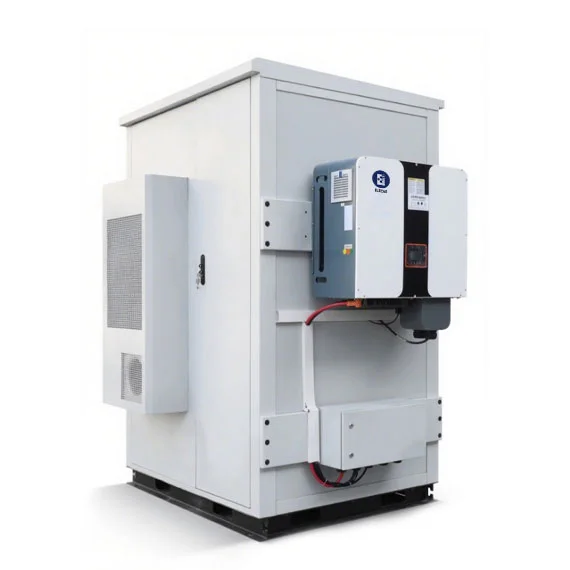
Use the C&I ESS supplier qualification checklist for FAT, PCS scope and warranty questions. For current product formats, review the commercial and industrial energy storage range, including an all-in-one outdoor battery storage cabinet and larger containerized BESS configurations. These pages show possible formats; the signed quotation must define the exact supplied configuration.
3. Build a Model-Specific Document Matrix
Request documents by quoted model and revision, not as a generic certificate folder. The manufacturer name, product name, model, electrical values and report scope should match the equipment and labels. Note the issuing laboratory or authority, report number, issue date, applicable standard or manual revision, and any limitations. A document for a similar product family should be marked as a gap until the supplier explains why it covers the ordered model.
| Document or record | Cross-check | Approval question |
|---|---|---|
| Quotation and bill of materials | Seller, models, quantities, ratings, included accessories and revision | Is every priced item inside the promised system boundary? |
| Datasheets and drawings | Battery, PCS, EMS, HVAC, protection, dimensions and interfaces | Do the values match the single-line diagram and load case? |
| Test and certification files | Applicant, manufacturer, model list, report number, date and scope | Does each file cover the exact supplied product and destination need? |
| UN 38.3 test summary | Manufacturer, laboratory, report ID, date, battery description, model and results | Can the supplier provide a traceable summary for the shipped battery type? |
| FAT and commissioning forms | Serial numbers, settings, measured results, alarms and sign-off | Can the same records follow the system from factory to site? |
| Packing and shipping set | Weights, dimensions, package count, labels, photos and document owner | Is the plan suitable for the chosen transport route and handling method? |
The UNECE Manual of Tests and Criteria, Revision 8 and Amendment 1 is the primary reference for UN 38.3. Its test-summary fields include manufacturer and laboratory information, a unique report identifier, report date, battery description and model numbers, test results, the manual revision and a signatory. Buyers should use those fields to match the summary to the shipment rather than treating a PDF filename as proof.
4. Define the Factory Acceptance Test Before Production
Agree the FAT protocol before the deposit or production release. List the inspected units or sampling plan, instruments, tolerances, pass/fail rules, witness method and required evidence. For an integrated cabinet or container, cover visual inspection, serial-number traceability, electrical checks, power-up, BMS communication, PCS modes, EMS commands, alarms, HVAC, emergency stop and available fire-system interfaces.
Ask for raw measurements, screenshots, parameter exports, short videos and signed exception records—not only a one-page PASS certificate. Any failed item should show the correction, retest evidence and approval owner. Reserve the contractual right to withhold shipment release until the agreed FAT pack and packing photos are complete.
5. Match Transport Documents to the Actual Configuration
Lithium battery transport depends on battery configuration, packing method, transport mode and current carrier rules. Start with the exact battery type and determine whether it ships alone, packed with equipment or contained in equipment. Then confirm the competent dangerous-goods shipper, classification, packaging, marks, labels, declarations and carrier acceptance for the planned route.
The IATA Battery Shipping Regulations information notes important 2026 changes for some lithium-ion batteries packed with equipment, including state-of-charge provisions and possible State approvals above the stated threshold. Do not copy an air-freight instruction into a sea shipment or assume one rule covers every ESS configuration. Have a qualified logistics party confirm the current packing instruction and carrier requirements when the shipment is booked.
For a practical file list and packaging-photo workflow, use the LiFePO4 battery shipping documents and packaging checklist. Before pickup, compare the commercial invoice, packing list, battery model, quantity, net and gross weight, package count, consignee, marks and labels against the physical cargo.
6. Write the Delivery Term as an Operational Checklist
Incoterms do not replace the sales contract, technical scope, payment terms, title transfer, product compliance or warranty. They allocate defined delivery tasks, costs and risks. The ICC Incoterms 2020 page remains the official current edition reference. State the selected rule, the named place or port and “Incoterms 2020” in the quotation and contract.
Then expand the three-letter term into responsibilities: export packing, dangerous-goods documentation, inland haulage, terminal handling, ocean or air freight, insurance, import clearance, duties and taxes, destination unloading, demurrage risk and final-mile delivery. If a supplier offers DDP, verify that it can legally and practically handle import obligations in the destination. If the buyer controls freight, define the handover documents and booking deadlines.
7. Approve Packaging With Evidence, Not a Generic Promise
Large batteries and cabinets need packaging matched to mass, center of gravity, lifting points, moisture exposure, route and handling equipment. Request a packing drawing or method statement with package dimensions and weights, base or pallet design, anchoring, edge protection, moisture barrier, desiccant where needed, tilt or impact indicators if specified, and container securing method. Wood packaging should meet the destination's applicable entry requirements.
Require photographs before closure, after wrapping, after crating, during loading and after securing. The serial number or package ID should connect the images to the packing list. Agree who may open packaging for inspection and how it will be resealed. These records help resolve damage claims and give the receiving team advance notice of forklift, crane and storage needs.
8. Turn Warranty Language Into a Service Workflow
A headline warranty duration does not explain how a project will be restored. Ask which entity issues the warranty, when coverage starts, which products and performance conditions it covers, and which exclusions apply. Record required operating data, environmental limits, maintenance records and internet connectivity if remote monitoring is part of diagnosis.
Define the fault-report channel, response time, remote-access method, evidence needed, decision authority, replacement-part availability and logistics. Clarify labor, travel, customs, freight and return responsibility. For multi-vendor systems, name the party that diagnoses interface faults among battery, PCS, EMS, HVAC and site controls. A buyer should not be left coordinating several manufacturers after a system-level failure.
9. Use a Weighted Exporter and Wholesaler Scorecard
Score evidence before negotiation changes the discussion from promises to gaps. Weight technical fit and traceability above presentation quality. Set mandatory failures—for example, an unidentifiable legal seller, an unexplained document-model mismatch or refusal to provide an order-specific FAT plan—so that a high total score cannot hide a critical risk.
| Area | Suggested weight | Evidence for a full score |
|---|---|---|
| Legal and supply-chain identity | 10% | Seller, exporter, factories and warranty entity are documented and consistent. |
| Technical fit and bill of materials | 25% | Order-specific configuration answers the load, grid, environment and interface requirements. |
| Document traceability | 20% | Models and entities match across datasheets, reports, labels and shipping records. |
| FAT and quality control | 15% | Agreed procedure, serial traceability, measured results and exception closure are available. |
| Packaging and delivery execution | 15% | Route-specific packing, responsibilities, timeline and photo evidence are defined. |
| Warranty and project support | 15% | Named owner, response process, spare plan and cost responsibility are written. |
10. Send One Comparable RFQ Package
Give every shortlisted supplier the same project brief: installation country and site conditions, grid voltage and frequency, required power and usable energy, load profile, operating modes, PV or generator interface, communication requirements, enclosure and thermal conditions, target standards or authority requirements, FAT expectations, delivery destination, preferred trade term, schedule and warranty support.
Ask suppliers to mark assumptions and exclusions rather than hiding them in a price. Use the solar battery RFQ checklist to organize site and commercial inputs. For a project-specific review, send SolarStorageHub the load, single-line diagram, destination and required delivery scope.
C&I ESS Exporter and Wholesaler FAQ
Is a C&I ESS exporter always the battery manufacturer?
No. An exporter may be the original manufacturer, a system integrator, a trading company or an authorized sales entity. Ask which legal entity signs the contract, which factory builds each component and who owns system integration and warranty responsibility.
Which documents should be checked before paying a deposit?
Start with the quoted bill of materials, company and factory identity, model-specific datasheets, test or certification scope, UN 38.3 test summary where applicable, packaging plan, delivery term, warranty wording and an agreed FAT plan. The final list depends on the destination and transport mode.
Does a UN 38.3 report approve the complete ESS project?
No. UN 38.3 addresses transport testing for lithium cells and batteries. Match the manufacturer, model and report details to the supplied battery, but review product safety, electrical installation, grid connection and local project approvals separately.
Should a buyer choose EXW, FOB, CIF or DDP?
There is no universal best term. Name the exact place or port and the Incoterms 2020 rule, then write who handles dangerous-goods documents, export customs, freight, insurance, import clearance, duties, unloading and delivery. Confirm that the exporter can perform the promised tasks.
What should be included in a C&I ESS warranty plan?
Define the warranted products and performance conditions, start date, exclusions, remote diagnosis, response times, evidence required for a claim, labor and travel responsibility, replacement logistics, spare parts and the party responsible for integration faults.
Final Approval Rule
Approve a C&I ESS export order only when the legal and technical chain is traceable, every important document matches the quoted model, the FAT and packing evidence are agreed, the named Incoterms 2020 delivery point is operationally clear, and one responsible party owns system-level warranty coordination. Price comparison begins after those boundaries match—not before.
Related SolarStorageHub Resources
If you are turning this article into a buying decision, compare the relevant product families and send your inverter model, target capacity, installation country, and quantity plan for confirmation.