
Wall-Mounted vs Stackable LiFePO4 Batteries: Installation and Expansion Guide
Buyer summary: wall-mounted and stackable LiFePO4 batteries can serve the same broad home-storage market, but they solve installation and expansion problems differently. A wall-mounted enclosure keeps the battery off the floor and can suit a compact utility room. A stackable system organizes modules vertically and may make planned capacity expansion easier. The better choice depends on the wall or floor structure, inverter compatibility, cable route, service access and the exact parallel rules supplied for the model.
This comparison uses two current SolarStorageHub product examples rather than treating every battery with the same enclosure as technically identical: the 48V 100Ah wall-mounted LiFePO4 battery and the 51.2V 100Ah stackable LiFePO4 battery. Values below are transcribed from their current product tables. Buyers should still obtain order-specific datasheets, drawings, manuals and warranty terms before approval.
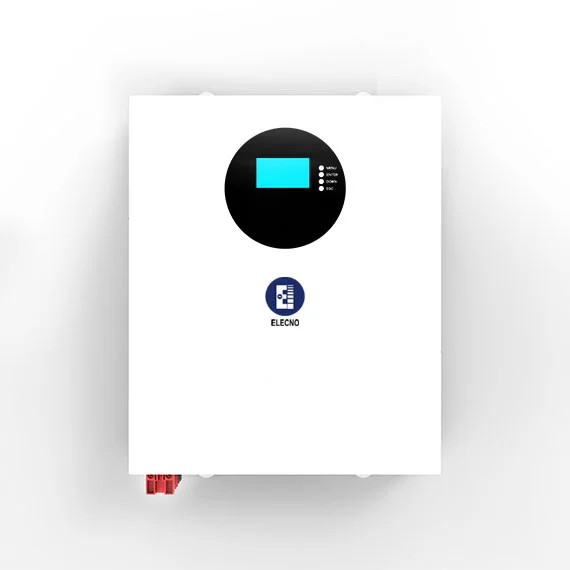
After choosing the battery format, compare battery voltage, CAN or RS485 protocol, PV input, backup output and expansion limits across the solar storage inverter range before ordering.
Wall-Mounted vs Stackable LiFePO4 Batteries: Quick Comparison
| Comparison item | Wall-mounted example | Stackable example | Buyer check |
|---|---|---|---|
| Listed nominal voltage | 48V | 51.2V | Confirm the complete inverter battery-voltage window; do not select from the voltage label alone. |
| Listed rated capacity | 100Ah | 100Ah | Compare usable kWh after the permitted depth of discharge and reserve settings. |
| Listed energy | 4.8kWh | 5.12kWh | Stored energy is not the same as inverter output power. |
| Listed dimensions | 464 x 200 x 680mm | 610 x 545 x 240mm | Confirm orientation, connector projection, ventilation and maintenance clearance. |
| Listed battery weight | 48 +/- 0.5kg | 50kg | Verify wall capacity, floor loading and safe lifting method. |
| Listed communication | RS232, RS485 and CAN | RS485, RS232 and CAN | Interface names do not prove protocol or firmware compatibility. |
| Listed parallel support | Maximum quantity not stated in the current table | Up to 10 packs, 50kWh listed | Request the approved cable, protection, address settings and total-current limits. |
| Listed cycle figure | At least 6,500 cycles | More than 6,000 cycles | Request the test depth of discharge, current, temperature and end-of-life threshold. |
Choose the Installation Format Before Choosing Capacity
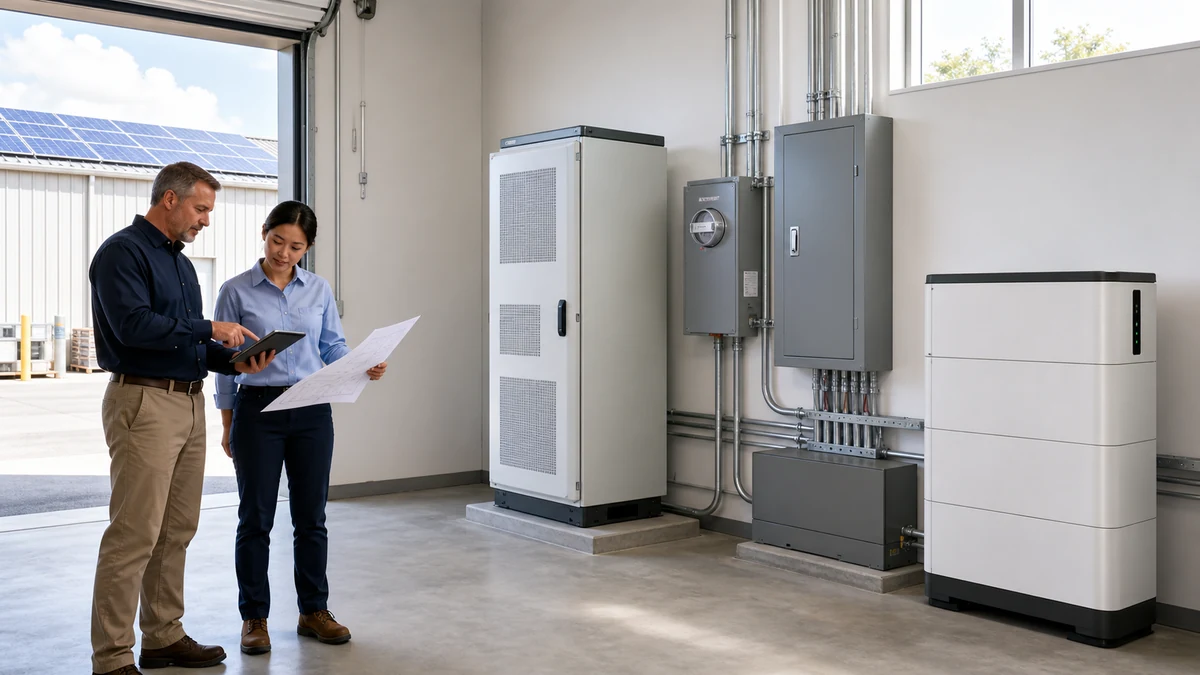
The enclosure format affects more than appearance. A wall-mounted battery transfers its weight through a bracket and fixings into the building structure. The reviewed wall-mounted unit is listed at about 48kg, so the installer should verify the wall material, anchors, bracket, pull-out resistance and mounting height. Lightweight partitions or unknown masonry should not be accepted from a photograph alone.
Wall installation also needs working space. Check the connector direction, cable bend radius, isolator location, ventilation, display visibility and the space required to remove the battery later. Mounting a battery tightly between cabinets may save floor area but make commissioning or replacement difficult.
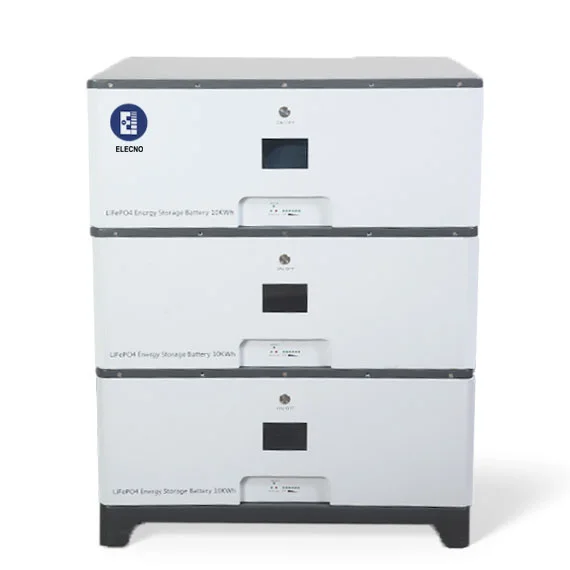
A stackable battery places the system on the floor or an approved base. The installer should check floor level, loading, anti-tip measures, module alignment and the maximum supported stack. Do not assume that every visually similar module can be added to an existing stack. Mechanical locks, high-current connectors, communication addresses, firmware and master-battery rules may differ between revisions.
48V and 51.2V Require an Exact Inverter Check
“48V class” is a useful market label, but it is not a complete compatibility statement. The reviewed wall-mounted product lists 48V nominal voltage, while the stackable product lists 51.2V. The inverter must accept the actual operating voltage range and the battery's charge and discharge limits, not only a nominal label on a sales page.
Communication requires the same discipline. Both examples list CAN and RS485, but a matching connector does not prove that the inverter and battery exchange the correct state-of-charge, alarm and current-limit messages. Confirm the exact inverter model, regional version, firmware, protocol setting and cable pinout. Use the LiFePO4 battery and inverter compatibility guide to prepare the test record.
Expansion: Written Limits Matter More Than the Word Modular
The stackable product table lists parallel support for up to 10 packs, or 50kWh. That is a useful planning value, but the final system still needs a confirmed maximum current, cable and busbar arrangement, protection method, address sequence, master/slave rule and inverter limit. Ten batteries connected physically do not automatically mean the inverter can use their combined power.
The reviewed wall-mounted product page advises buyers to ask for expansion wiring and address-setting instructions, but its current specification table does not state a maximum parallel quantity. That missing value should remain an open approval item; it should not be copied from the stackable model or inferred from another supplier's enclosure.
For either format, batteries added later should match the manufacturer's approved model, firmware and state-of-health rules. Review the LiFePO4 parallel-connection checklist before promising future expansion to a customer.
Capacity and Runtime Must Be Calculated Separately
The two examples are close in nominal energy: 4.8kWh and 5.12kWh. That difference alone should not decide the project. A realistic backup calculation starts with usable battery energy, inverter efficiency, reserve state of charge, continuous load and motor-start surges. Heating appliances, pumps, refrigerators and air conditioners can create very different power profiles even when their daily energy use looks similar.
Build a load list with appliance watts, quantity, starting watts and operating hours. Then compare the result with the inverter's continuous and surge output and the battery's permitted discharge current. If the project needs 10kWh or 15kWh, confirm whether a multi-module stack, multiple wall batteries or another floor-mounted product provides the cleanest documented system.
Service Access, Shipping and Replacement Planning
A buyer should plan how the battery will be delivered, lifted, installed and replaced before approving the enclosure. Both reviewed examples weigh about 50kg. Confirm carton dimensions, pallet quantity, lifting instructions, included brackets or bases, terminal protection and whether two-person handling or lifting equipment is required by the installer.
For after-sales service, record serial numbers, battery position, cable lengths, address settings, firmware and commissioning values. A wall-mounted installation should allow the enclosure to be removed without dismantling unrelated equipment. A stackable installation should allow a module to be isolated and replaced according to the manufacturer's procedure without creating an unstable stack.
The earlier wall-mounted vs rack-mounted battery guide covers rack and distributor considerations. This article addresses a different decision: a wall enclosure versus a purpose-designed stackable module path for residential storage.
Supplier Documents to Request Before Ordering
- Order-specific datasheet showing nominal and operating voltage, usable energy, current limits and temperature range.
- Dimensioned drawing with bracket or base, connector position, clearances and lifting points.
- Tested inverter list with exact model, firmware, protocol, cable pinout and settings.
- Parallel-expansion manual covering maximum quantity, protection, cable sizes, addresses and master/slave rules.
- Warranty terms showing cycle or throughput limits, temperature conditions, approved inverters and claim evidence.
- Applicable certificate and transport-document scope for the exact battery model and destination market.
- Packing list, accessories, spare parts, commissioning checklist and replacement procedure.
Compare both formats within the home energy storage range. For a supplier-ready inquiry, complete the solar battery RFQ checklist or send the inverter, load and installation data for configuration review.
Wall-Mounted vs Stackable LiFePO4 Battery FAQ
Is a 48V wall-mounted battery interchangeable with a 51.2V stackable battery?
Not automatically. Confirm the inverter battery-voltage window, charge and discharge limits, CAN or RS485 protocol, cable pinout and firmware for the exact battery model.
Which battery format uses less floor space?
A wall-mounted battery keeps the enclosure off the floor, but it needs a verified wall structure and service clearance. A stackable system uses floor area but can organize multiple modules in one vertical footprint.
Can both battery types be expanded later?
Expansion is model-specific. The reviewed stackable product lists support for up to 10 packs, while the reviewed wall-mounted page does not state a maximum parallel quantity. Obtain the approved quantity, wiring and address-setting instructions before ordering.
Does 5kWh describe the inverter output?
No. kWh describes stored energy. Inverter output is measured in kW and must be checked separately against continuous loads and starting surges.
What should a buyer send before requesting a quotation?
Send the inverter model and firmware, load list, required runtime, installation photos, available wall or floor space, cable route, target expansion capacity, site temperature and destination market.
Final Selection Rule
Choose the wall-mounted format when the wall structure, bracket, cable route and service clearance are documented and floor space is the main constraint. Choose the stackable format when a stable floor location and a verified multi-module expansion path are more important. In both cases, approve the exact inverter protocol, current limits, mechanical installation and warranty evidence before placing the order.
Related SolarStorageHub Resources
If you are turning this article into a buying decision, compare the relevant product families and send your inverter model, target capacity, installation country, and quantity plan for confirmation.