
LiFePO4 Battery Inverter Compatibility: CAN, RS485 and BMS Settings for Solar Storage Buyers
Buyer note: LiFePO4 battery inverter compatibility is not confirmed by voltage alone. For a solar storage project, the buyer also needs to check BMS communication, charge and discharge limits, protection settings, inverter firmware, wiring rules, and commissioning evidence. A battery and inverter may both look suitable on paper and still create delays if CAN, RS485, or operating limits are not agreed before shipment.
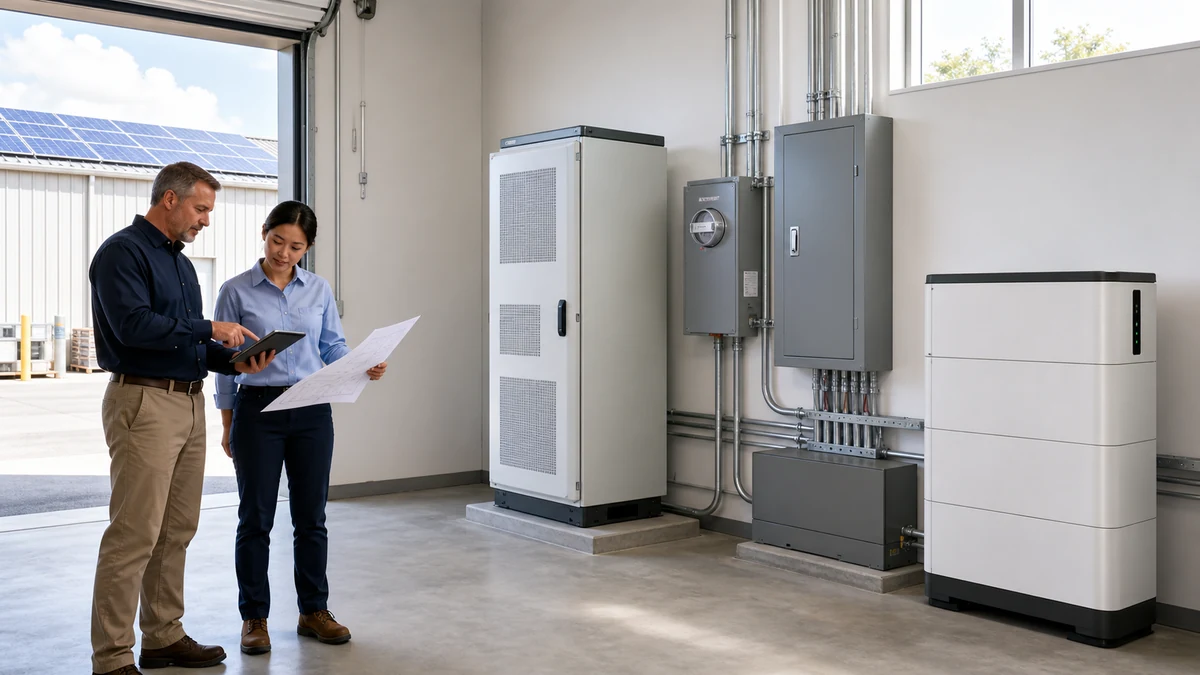
This guide is written for distributors, EPC teams, installers, and OEM/ODM buyers who are comparing Home Energy Storage, C&I ESS, Solar Inverter, and Solar Panel options. Use it together with the Battery Storage Buyer Resources Hub, Battery Storage Product Selection Guide, Solar Battery RFQ Checklist, and SolarStorageHub Company Capability and Service Support Guide.
Why inverter compatibility fails in real projects
Most compatibility problems happen because the buyer asks only one question: “Does this battery work with this inverter?” That question is too broad. A useful compatibility check should ask which communication protocol is used, which inverter model and firmware were tested, which battery voltage window is allowed, what current limits are set in the BMS, and whether the system has been commissioned under similar load conditions.
A home battery project may fail because the inverter cannot read state of charge correctly. A small commercial project may fail because discharge current is too low for peak load. A C&I cabinet may be delayed because site settings, PCS assumptions, and battery protection values were not reviewed together. The safer buying process is to collect model-level evidence before the purchase order, not after the goods arrive.
CAN vs RS485: what buyers should understand
CAN and RS485 are common communication paths between LiFePO4 battery BMS units and hybrid inverters. The protocol name matters, but it is not the whole story. Buyers should confirm the actual inverter brand, model, firmware version, baud rate or protocol setting, battery address rules, parallel quantity, and default BMS profile.
| Check point | Why it matters | What to ask before ordering |
|---|---|---|
| Protocol | The inverter needs to read battery data correctly. | Does this exact inverter model use CAN, RS485, or dry-contact control with this battery? |
| Firmware | Some models change battery profiles across firmware versions. | Which firmware version was tested, and is an update required? |
| Address settings | Parallel batteries need clean master/slave or address logic. | How many batteries can be paralleled, and how are addresses set? |
| Charge current | Too much current can trigger BMS protection; too little can limit charging speed. | What charge current should be entered into the inverter? |
| Discharge current | Backup performance depends on BMS and inverter limits together. | What peak and continuous discharge limits should the buyer use? |
| SOC display | Wrong SOC can confuse installers and customers. | Was SOC reporting checked during charge, discharge, and standby? |
Voltage range is only the first filter
A 48V or 51.2V LiFePO4 battery should be matched against the inverter voltage window, but that is only the first filter. The buyer also needs to compare maximum charging voltage, low-voltage cut-off behavior, recharge voltage, battery reserve settings, and whether the inverter uses lithium communication mode or lead-acid style voltage control.
For example, a buyer may choose a 51.2V battery because the inverter datasheet lists a compatible voltage range. That does not automatically mean the BMS communication profile has been tested. If the inverter cannot communicate with the BMS, the installer may need to run voltage-based settings, which can work in some cases but requires careful limits and a clear warranty position.
BMS settings to confirm before shipment
The BMS protects the battery and gives the inverter the data it needs to manage charge and discharge. Before shipment, ask the supplier for the recommended inverter settings, not only the battery datasheet. The settings should include maximum charge current, maximum discharge current, recommended charge voltage, low-voltage protection value, restart behavior, temperature protection, and parallel operation rules.
For multi-battery systems, ask whether each unit requires a separate address, whether a master battery is required, whether all units must use the same firmware, and whether mixed old and new batteries are allowed. These small details matter more than they look. They decide whether the first installation is smooth or turns into a long troubleshooting thread.
What evidence should a serious supplier provide?
A helpful supplier should be able to provide model-specific guidance. That may include compatibility notes, wiring diagrams, DIP switch or address-setting instructions, screenshots of inverter settings, commissioning photos, test videos, or a recommended settings sheet. For larger orders, buyers should ask whether a sample test can be completed before batch production.
External standards and references can help buyers frame the discussion. Battery safety review often involves standards such as IEC 62619:2022, while system-level testing and certification topics are discussed by organizations such as UL Solutions. For the role of storage in solar integration, the U.S. Department of Energy's Solar Energy and Storage Basics page is a useful external primer.
Compatibility checklist for RFQ emails
When sending a quotation request, include the inverter brand, exact model number, firmware version if known, country of installation, grid type, battery capacity target, backup loads, expected parallel quantity, solar panel input plan, and whether the project is for home backup, off-grid use, or commercial storage. If the buyer already has a preferred inverter list, send it before asking for final pricing.
The Solar Battery RFQ Checklist is useful here because it keeps the technical discussion organized. If the project needs OEM branding, export documents, warranty terms, or after-sales coordination, review the Warranty, Certification, Shipping and OEM Buyer Guide and the Company Capability and Service Support Guide before confirming the order.
Commissioning checks after installation
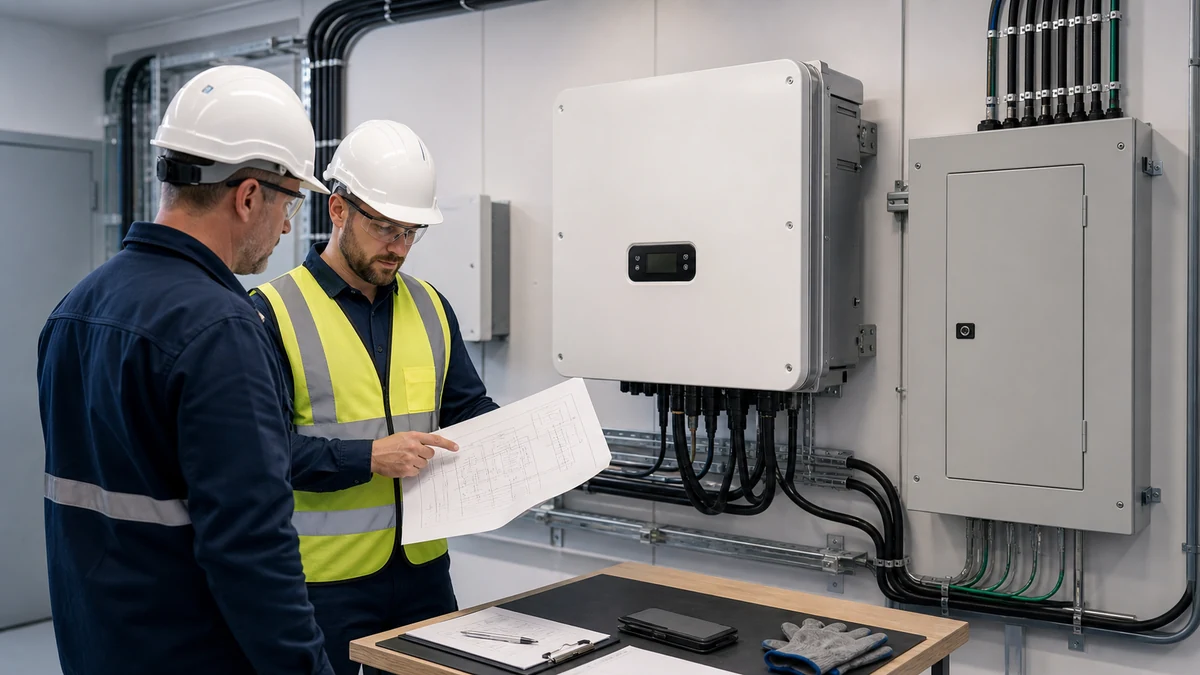
Commissioning should not stop at “the system turns on.” Installers should verify communication status, SOC display, charge behavior, discharge behavior, alarm history, inverter mode, load transfer, solar charging, and shutdown/restart behavior. Record screenshots and photos of final settings. For distributors, this evidence is valuable if the customer later reports an alarm or runtime concern.
If the project is a C&I cabinet or containerized BESS, the commissioning checklist should also include cooling, enclosure access, emergency stop, communication with the monitoring system, site safety labels, and maintenance access. Compatibility is not just a product question; it is part of the project handover.
SolarStorageHub editorial note
SolarStorageHub reviews battery, inverter, document, shipping, and after-sales assumptions with buyers before quotation. The goal is to reduce preventable project risk: wrong inverter profile, missing BMS settings, unclear warranty evidence, and incomplete RFQ details. For project-specific support, prepare the inverter model, load profile, installation country, and target capacity, then contact the team through Contact.
Related buyer guide: Compatibility approval should be followed by a recorded commissioning test for protocol, SOC reporting and battery current limits. Read Hybrid Solar Inverter Commissioning Checklist: CT Direction, Export Limit and Battery Protocol.
Related buyer guide: LiFePO4 inverter compatibility depends on communication settings and BMS limits. Read 18kW Three Phase Solar Inverter Checklist: Battery Protocol and PV Input.
Related buyer guide: Battery and inverter compatibility should be checked before shipment. Read Floor Standing Energy Storage Battery Checklist: 5kWh to 30kWh Fit.
Related inverter guide: Before approving a model described as storage-ready, use the storage-ready inverter buyer checklist to verify the battery voltage window, CAN/RS485 map, PV input, backup output, export control and commissioning evidence.
FAQ
Does a 51.2V LiFePO4 battery work with every 48V inverter?
No. The voltage range may be close, but the buyer still needs to confirm communication protocol, charging voltage, current limits, BMS profile, and inverter settings.
Is CAN better than RS485 for battery-inverter communication?
Neither is automatically better for every project. The important point is whether the exact battery BMS and inverter model have a tested communication profile.
Can a battery run without communication with the inverter?
Some systems can run with voltage-based settings, but this should be confirmed by the supplier and installer. Communication mode usually gives cleaner SOC reporting and safer control.
What should buyers send before asking for compatibility confirmation?
Send the inverter brand, exact model, firmware if available, battery capacity target, parallel quantity, installation country, grid type, and load profile.
Why does SOC display sometimes look wrong?
SOC issues can come from an unmatched protocol, wrong inverter battery profile, address setting errors, firmware mismatch, or a system that is running without BMS communication.
Should distributors test a sample before batch orders?
Yes, especially for private-label or new inverter combinations. A sample test can confirm settings, wiring, protocol behavior, and support documents before batch production.
Where should I start if I am not sure which battery or inverter to choose?
Start with the Battery Storage Buyer Resources Hub, compare product paths in the Product Selection Guide, then send project details through Contact.
Related SolarStorageHub Resources
If you are turning this article into a buying decision, compare the relevant product families and send your inverter model, target capacity, installation country, and quantity plan for confirmation.