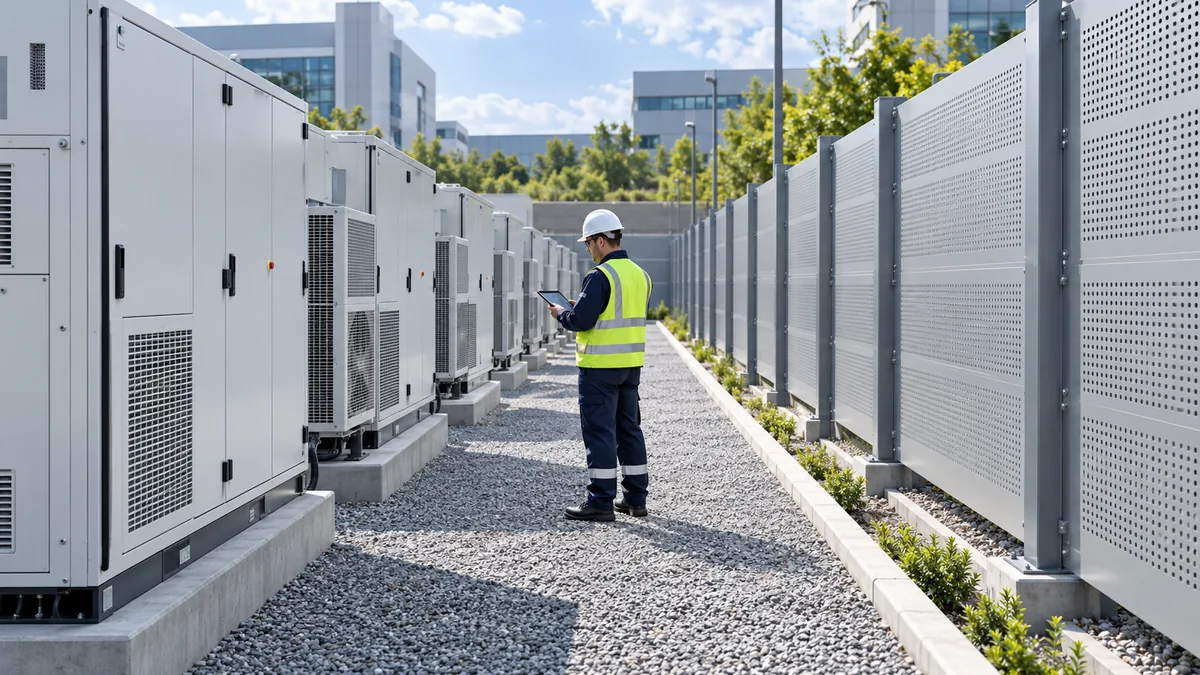

C&I ESS Fire Safety Checklist: HVAC, Warranty and Site Handover
Buying a commercial battery system is not only a capacity decision. A 100kW, 250kW or containerized C&I ESS can look acceptable on a quotation sheet while still carrying hidden project risk in fire separation, HVAC design, warranty scope, commissioning evidence and site handover responsibility. This checklist is written for distributors, EPC teams and project owners who need to compare offers before a deposit is paid.
Start with the business case, but do not stop there. Peak shaving, backup power and solar self-consumption only work when the equipment can operate safely in the real site environment. Before comparing cabinet price, review the battery chemistry, enclosure layout, cooling method, PCS scope, fire detection interface, grid connection, service access and documentation package. For broader product matching, compare SolarStorageHub C&I ESS, solar inverter, solar panel and home energy storage options before finalizing the project boundary.

Why fire safety and HVAC belong in the first quotation
Battery buyers often ask for kWh, kW, cell brand and price first. Those are important, but they do not prove that a system fits the site. C&I storage projects are exposed to different ambient temperatures, dust levels, roof or ground clearance, emergency access, local utility rules and insurance expectations. A low price can become expensive if the cabinet must be reworked after site review.
For a serious C&I ESS quotation, ask the supplier to show how heat, smoke, electrical isolation, maintenance access and shutdown logic are handled. The exact design depends on product format and local rules, but the questions below help buyers separate a complete system offer from a loose equipment list.
C&I ESS quotation checklist
| Item to check | What to request | Why it matters |
|---|---|---|
| Battery cabinet layout | Cabinet drawing, service clearance, cable entry, air path and foundation notes. | Prevents installation changes that delay commissioning. |
| Fire safety boundary | Detection method, alarm output, emergency stop logic, isolation design and local compliance notes. | Helps the buyer discuss risk with the site owner, insurer and local authority. |
| HVAC or cooling method | Cooling capacity, air flow path, operating temperature range and maintenance interval. | Protects usable capacity, cycle life and warranty eligibility. |
| PCS and inverter scope | PCS rating, grid mode, communication protocol, protection settings and export limit requirements. | Controls whether the system can connect to the actual grid and load profile. |
| Commissioning evidence | FAT report, insulation test, BMS records, alarm test, EMS screenshots and site handover list. | Creates proof that the delivered system matches the ordered scope. |
| Warranty terms | Cycle condition, temperature limit, depth of discharge, response time and excluded site issues. | Clarifies what support the buyer can expect after installation. |
Fire safety: ask for design logic, not only a certificate
Certificates are useful, but they do not replace project design. A buyer should understand where the cabinet is installed, how alarms are reported, how the battery string is isolated, who can access the emergency stop and what the site owner must provide. If a supplier cannot explain the operating logic in simple terms, the project may not be ready for purchase.
NFPA maintains information around energy storage system safety and NFPA 855. Buyers working in markets where this topic is relevant can use the NFPA 855 standard development page as a reference point when discussing local requirements with engineers and authorities. The supplier should still confirm the exact scope for the destination market.
HVAC and temperature: protect cycle life before arguing about price
Battery performance depends on temperature. A cabinet installed in a hot outdoor yard, a dusty factory area or a poorly ventilated room will not behave like a catalog example. Ask for the allowed ambient temperature range, cooling method, derating notes and maintenance requirements. If the project uses a containerized solution, review HVAC redundancy, filter access, condensate management and the layout of hot and cold air paths.
This is also where the load profile matters. A system used for one discharge per day may have different thermal behavior from a system used for frequent power smoothing. Send the supplier the expected charge and discharge schedule, daily energy target and reserve requirement. If you do not have a complete load curve yet, use the Battery Storage Buyer Resources hub to prepare the missing data before requesting a formal quote.
Warranty: separate product warranty from project responsibility
Warranty terms should be read together with the installation condition. If a battery cabinet is installed outside the specified temperature range, connected to an incompatible PCS, operated beyond allowed depth of discharge or maintained without required records, the warranty may not cover the problem. Buyers should request written warranty terms before payment, not after shipment.
For C&I projects, ask who is responsible for remote troubleshooting, spare parts, firmware, on-site service, training and commissioning records. A good quote should state whether the supplier provides only equipment or also system matching support. SolarStorageHub can help buyers organize this scope through Contact before the quotation is finalized.
What to send for a faster C&I ESS quote
Do not send only the target kWh. A useful inquiry should include site country, application, peak load, daily load curve if available, PV capacity, grid voltage, indoor or outdoor installation, expected backup duration, local certification needs, delivery schedule and whether the buyer expects a cabinet or container solution. If the project is still early, start with the C&I ESS site survey checklist and the supplier qualification checklist.
SolarStorageHub reviews battery, PCS, inverter, certification, installation and shipping assumptions for distributors and EPC teams before quotation. The goal is not to make every project look the same. The goal is to make the risk visible early enough that the buyer can compare suppliers fairly.
Related buyer guide: Fire safety, HVAC and warranty boundaries should be checked before site handover. Read C&I Battery Cabinet vs Container BESS: Sizing, HVAC and Site Layout Checklist.
Related buyer guide: Fire safety, HVAC and warranty boundaries should be confirmed before site handover. Read C&I ESS Commissioning Checklist: FAT, SAT, EMS and Warranty Handover.
For outdoor enclosures, turn HVAC and handover requirements into cabinet-level quote checks with the outdoor AC energy storage cabinet checklist, covering cooling capacity, IP rating, cable entry, PCS scope, fire documents and service access.
FAQ
Should C&I ESS buyers choose by kWh price first?
No. kWh price is only one part of the project. Compare fire safety boundary, HVAC design, PCS scope, warranty terms, commissioning evidence and shipping documents before judging price.
What documents should I request before ordering a battery cabinet?
Ask for a specification sheet, cabinet drawing, wiring or interface notes, BMS communication details, certification documents, warranty terms, packing method and FAT or test evidence.
Does every C&I battery cabinet need HVAC?
The cooling method depends on cabinet design, location, temperature range and duty cycle. Buyers should request the allowed operating temperature, cooling method and maintenance requirements for the selected model.
How do I compare a cabinet ESS and a container BESS?
Cabinet ESS is often easier for smaller C&I sites, while container BESS suits larger capacity and more complex site planning. Compare capacity, footprint, access, HVAC, PCS scope and commissioning work.
Can SolarStorageHub help review a supplier quote?
Yes. Send the quote, site data and target application through Contact. The team can help identify missing battery, inverter, certification, warranty and commissioning details.
What is the most common hidden risk in C&I ESS procurement?
The common risk is an incomplete boundary. Buyers receive a battery price but not a complete statement of PCS, EMS, cooling, protection, installation and handover responsibilities.
Related SolarStorageHub Resources
If you are turning this article into a buying decision, compare the relevant product families and send your inverter model, target capacity, installation country, and quantity plan for confirmation.