
Home Battery Inverter Compatibility Checklist: Backup Load and PV Input
A home battery quote can look simple at first: capacity, voltage, price and delivery time. In real installations, the difficult part is usually not the battery cell. It is whether the battery, inverter, backup load, PV input and installation space work together. This checklist is for distributors, installers and residential buyers who need a practical way to review home battery storage before ordering.
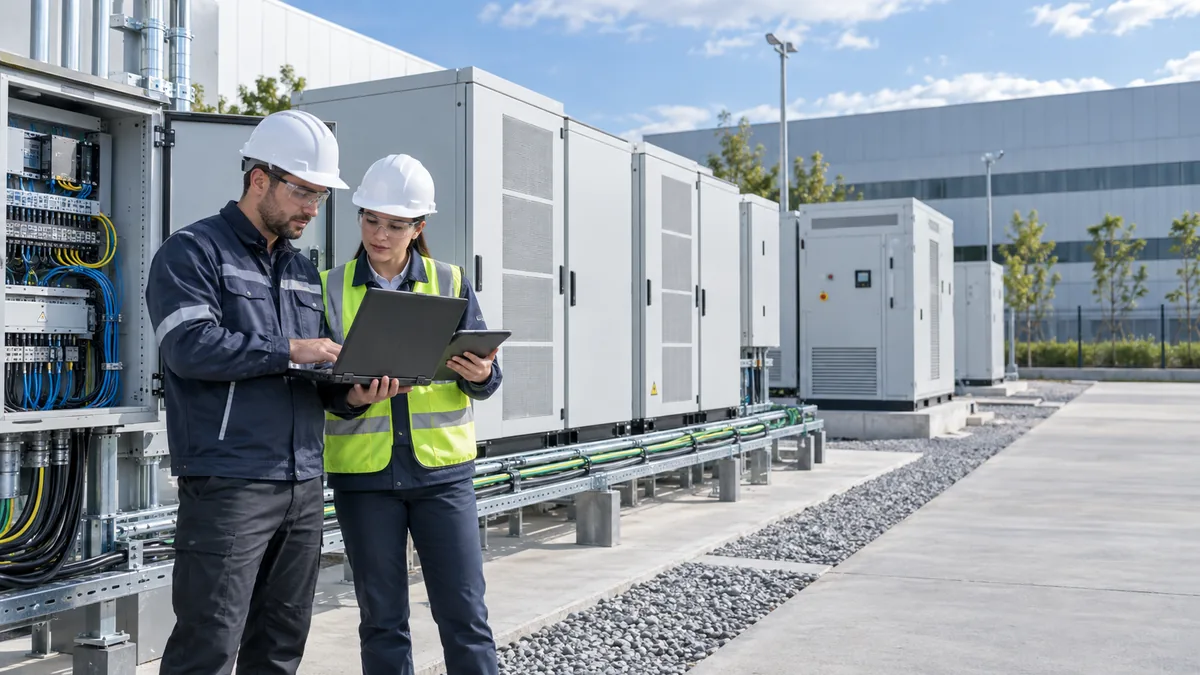
The right home battery should match the inverter's battery voltage range, charge and discharge current, BMS communication protocol, backup output limit, local wiring method and the owner's load priority. A 5kWh battery, a 10kWh wall-mounted unit and a 30kWh floor-standing system can all be correct, but only when the system design is clear. For product matching, compare Home Energy Storage, Solar Inverter, Solar Panel and C&I ESS pages before sending the final RFQ.
Start with the backup load, not the battery size
Many buyers ask, "How many kWh do I need?" A better first question is, "Which loads must stay on, and for how long?" Refrigerators, routers, lights, pumps, air conditioning, electric ovens and EV chargers behave very differently. If all loads are treated as critical, the battery may become oversized or the inverter may overload during backup operation.
Ask the homeowner or installer to separate essential loads from comfort loads. Essential loads may include lighting, communication, refrigerator, medical equipment, security system or a small pump. Comfort loads may include air conditioning, water heating and cooking appliances. The backup load list controls inverter power, battery capacity, wiring design and customer expectations.
Home battery and inverter matching table
| Match point | What to check | Buyer risk if ignored |
|---|---|---|
| Battery voltage | 48V, 51.2V, high-voltage stack or rack system voltage range. | The inverter may not start or may operate outside the allowed range. |
| BMS communication | CAN, RS485, protocol list and inverter brand compatibility. | The inverter may not read SOC, alarms or current limits correctly. |
| Charge/discharge current | Battery BMS current limit, inverter current setting and cable size. | The system may trip, heat cables or reduce usable power. |
| Backup output | Essential load power, surge load and backup circuit boundary. | Customers may expect whole-home backup when the system only supports selected loads. |
| PV input and charging | PV array size, MPPT range, battery charge current and local export rule. | PV may be clipped, underused or mismatched with the battery. |
| Installation space | Wall strength, floor clearance, ventilation, indoor/outdoor location and service access. | Installation may become unsafe, slow or outside warranty conditions. |
Wall-mounted, floor-standing, stackable or rack-mounted?
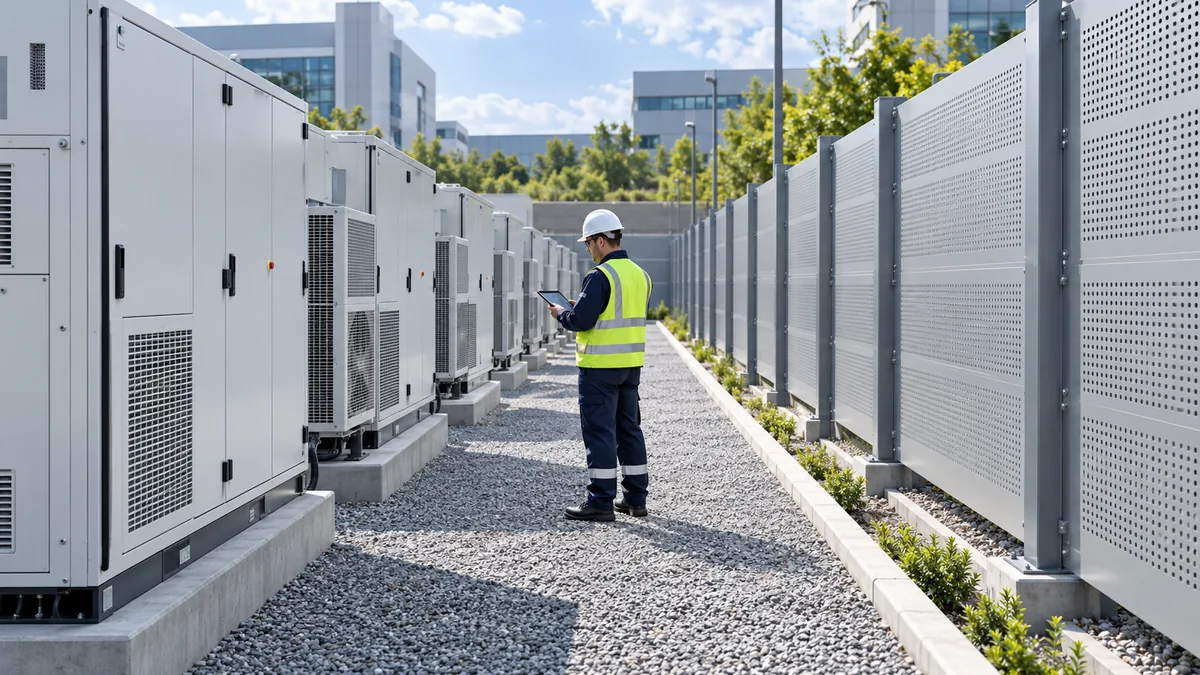
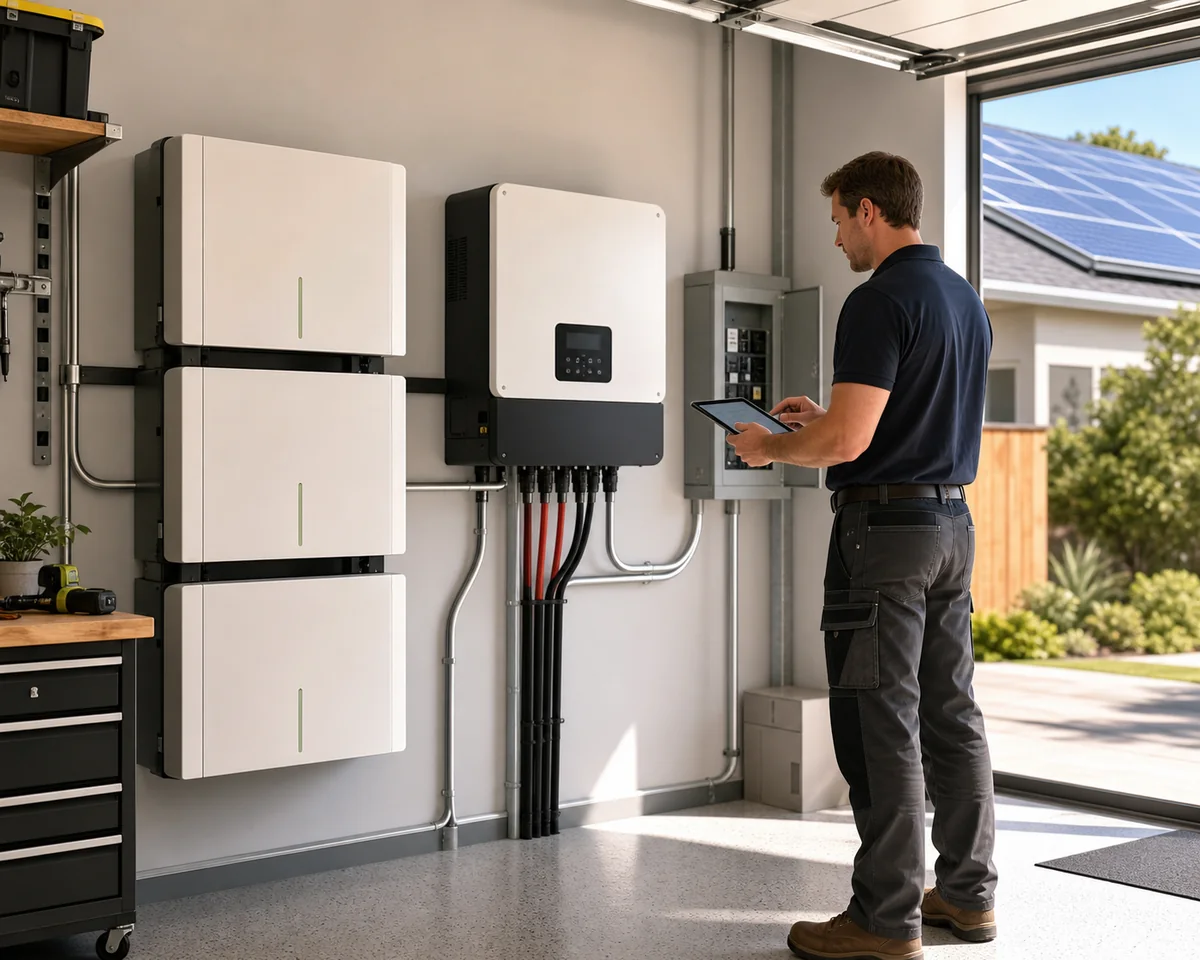
The battery format should follow installation reality. Wall-mounted batteries save floor space and suit many residential systems, but the wall must support the weight and allow service access. Floor-standing batteries can be easier to place when wall strength is uncertain. Stackable systems are useful when the buyer wants modular expansion. Rack-mounted systems fit larger home or light commercial systems where multiple modules need organized wiring and service clearance.
Do not choose the format only by photo. Review the final installation room, cable route, inverter location, local electrical practice, ventilation and maintenance access. For larger systems, review the floor-standing energy storage battery checklist and the floor-mounted wiring setup checklist before ordering.
PV input and battery charging should be checked together
A battery may be compatible with an inverter, but the full system can still disappoint if PV input is not considered. Review the number of PV strings, MPPT voltage range, maximum PV power, charge current limit, export control and whether the user wants daytime self-consumption or night backup reserve. Energy.gov's overview of solar energy and storage basics is a useful public reference for understanding why solar generation and storage should be planned together.
If the buyer wants a solar-plus-storage system, send PV panel wattage, string layout, roof direction, inverter model and backup requirement together. SolarStorageHub's Battery Storage Buyer Resources hub can help prepare this information before quotation.
What installers should send before requesting price
A complete inquiry saves time. Send inverter brand and model, battery voltage preference, target kWh, backup load list, PV size, grid voltage, installation country, indoor or outdoor location, wall or floor space, expected order quantity, certification requirements and delivery schedule. If the project is for distributor stock, state the most common inverter brands in the target market.
For OEM or repeat supply, also request label options, packaging method, user manual language, warranty terms, sample inspection process and shipping documents. If you need help checking the system boundary, use Contact and send the project notes before asking for final price.
Practical review before payment
Before placing an order, confirm the battery datasheet, inverter compatibility note, BMS communication protocol, warranty condition, packing photos, label requirements and after-sales contact method. If possible, ask for a short test record or previous matching example for the inverter model. This is especially important when a buyer wants a private-label home battery or a new inverter combination.
SolarStorageHub reviews battery, inverter, PV input, packaging and warranty assumptions for distributors and installers. The aim is to reduce mismatch before shipment, not to make the buyer pay for a larger battery than the site needs.
FAQ
Is a 10kWh home battery enough for backup power?
It depends on the backup load list and backup duration. A 10kWh battery may support essential loads well, but it may not support large air conditioning, cooking or heating loads for long.
Can any 48V battery work with any hybrid inverter?
No. The voltage range may match, but BMS communication, charge current, discharge current and inverter protocol support must still be checked.
Should I choose wall-mounted or floor-standing batteries?
Choose based on wall strength, floor space, cable route, service access, capacity target and local installation practice. The photo is less important than the installation condition.
What information should I send for inverter compatibility review?
Send the inverter brand, model, battery voltage range, communication protocol, charge and discharge current, PV input data and the planned battery capacity.
Can a home battery support the whole house?
Sometimes, but many systems are designed for selected backup circuits. Confirm the inverter backup output, surge load and customer load priority before promising whole-home backup.
What is the common mistake in home battery purchasing?
The common mistake is buying by kWh only. Buyers should also check inverter match, backup load, PV charging, installation space, warranty and after-sales support.
Related SolarStorageHub Resources
If you are turning this article into a buying decision, compare the relevant product families and send your inverter model, target capacity, installation country, and quantity plan for confirmation.