
How to Estimate Battery Storage Runtime: Usable kWh, Load Profile and Solar Recharge for Buyers
Buyer note: Battery storage runtime is one of the first questions buyers ask, but it is also one of the easiest to overpromise. A 5kWh, 10kWh, 15kWh, or 30kWh LiFePO4 battery does not deliver the same runtime in every project. The real answer depends on usable energy, depth of discharge, inverter loss, reserve margin, load profile, operating temperature, solar recharge, and how the site uses power during an outage.
For a smaller portable configuration, use the 5kWh modular portable power station buyer checklist to compare continuous and surge AC output, expected runtime, solar-input limits and supplier evidence before treating nameplate capacity as a runtime promise.
This guide is written for distributors, EPC teams, installers, and project buyers comparing Home Energy Storage, C&I ESS, Solar Inverter, and Solar Panel options. Use it with the Battery Storage Buyer Resources Hub, Battery Storage Product Selection Guide, and Solar Battery RFQ Checklist before asking for a final quote.
Start with usable kWh, not nameplate capacity
Nameplate capacity is the battery's rated storage capacity. Usable capacity is the amount that can be planned for the actual project. Buyers should subtract reserve, depth-of-discharge limits, inverter conversion loss, wiring loss, and aging margin. This is why a simple calculation such as “10kWh divided by 1kW equals 10 hours” is usually too optimistic.
A more careful estimate starts with the battery's usable energy. For example, a 10kWh battery may be planned at 80 percent to 90 percent usable energy depending on the supplier recommendation, warranty terms, and project risk. If the buyer then allows inverter loss and a small reserve, the practical planning number may be closer to 7.5kWh to 8.5kWh. The exact value should come from the supplier datasheet and project assumptions.
Build a load profile before choosing battery size
The load profile is more important than a rough list of appliances. Buyers should separate essential loads from non-essential loads, estimate running watts, identify starting surge, and define how long each load must run. A refrigerator, router, lights, monitoring device, small pump, and air conditioner do not behave the same way. Some loads run continuously; some cycle on and off; some create short but high starting demand.
| Project input | Why it matters | What buyers should send |
|---|---|---|
| Essential load list | Runtime depends on what must stay on. | Appliance or equipment name, running watts, and required hours. |
| Peak load | The inverter must handle simultaneous demand. | Highest expected combined watts and motor starting loads. |
| Battery size | Nameplate capacity needs usable-capacity adjustment. | Target kWh and preferred voltage platform. |
| Inverter model | Efficiency and surge behavior affect real runtime. | Brand, exact model, AC output, and battery compatibility. |
| Solar recharge | PV can extend runtime but depends on weather and system limits. | Panel wattage, location, shading, controller or inverter PV input. |
| Reserve margin | Projects need margin for aging, weather, and future loads. | Preferred reserve percentage or minimum backup hours. |
Estimate runtime with a practical formula
A practical planning formula is: usable battery energy divided by average critical load, then adjusted for inverter loss and reserve margin. If a buyer plans 8kWh of usable energy and the average critical load is 800W, the simple estimate is about 10 hours. If the project needs a reserve or the inverter loss is higher, the planning runtime should be reduced.
The key phrase is average critical load. Many buyers use peak load instead, which can make the battery look too small. Others use only a low average load and ignore motor start or user behavior, which makes the battery look too large. A reliable quotation should consider both: average runtime and peak inverter demand.
Do not ignore inverter efficiency and surge demand
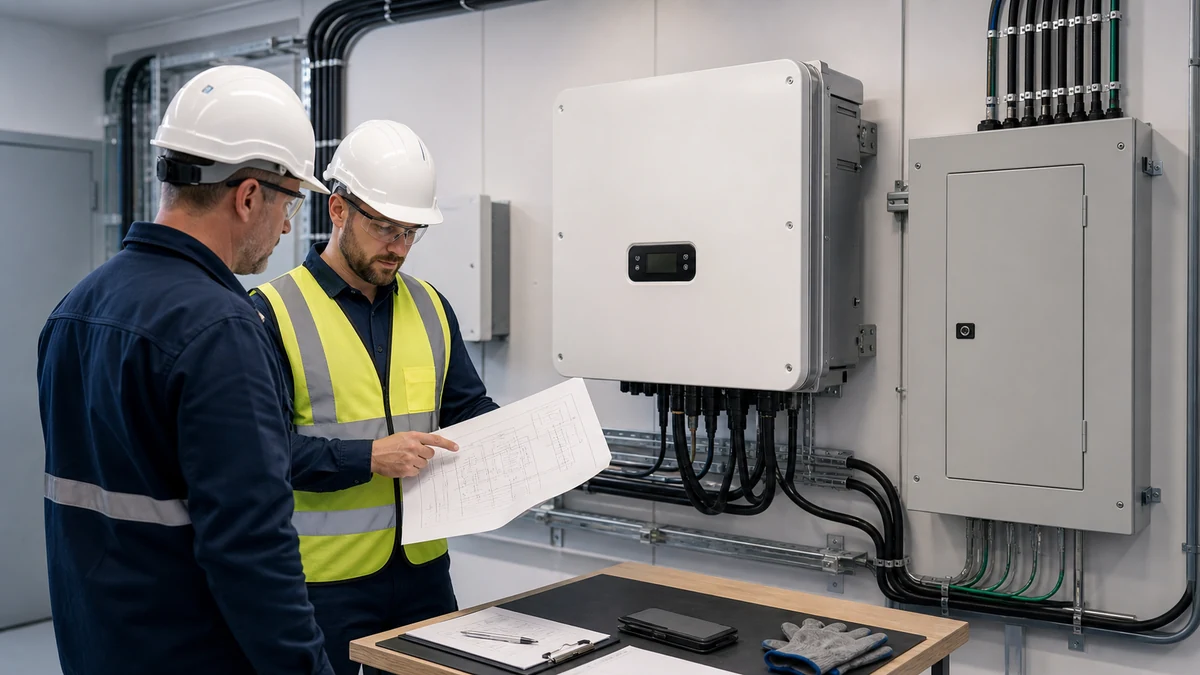
The inverter is not just a box between the battery and the load. It has conversion efficiency, standby consumption, output limits, surge behavior, and protection settings. A system that looks acceptable from a kWh calculation can still fail if the inverter cannot start the required load or if continuous output is too low.
This is why runtime estimation should be connected to inverter selection. Buyers should compare battery voltage range, charge/discharge current, BMS communication, AC output, surge rating, and PV input. The previous guide on LiFePO4 battery inverter compatibility is useful for this step: LiFePO4 Battery Inverter Compatibility: CAN, RS485 and BMS Settings.
Solar recharge can extend runtime, but it is not guaranteed
Solar panels can extend backup time during daylight, but the recharge estimate depends on panel wattage, solar resource, shading, panel angle, temperature, inverter PV input, battery charge limits, and how much load is running while the battery is charging. A buyer should not promise a daily recharge time from panel wattage alone.
For simple buyer communication, separate runtime into two scenarios: battery-only backup and battery plus solar recharge. Battery-only backup is easier to estimate. Battery plus solar recharge needs weather assumptions and PV input limits. External references such as the U.S. Department of Energy's Solar Energy and Storage Basics page help explain why storage and solar output should be reviewed together.
Home storage vs C&I ESS runtime questions
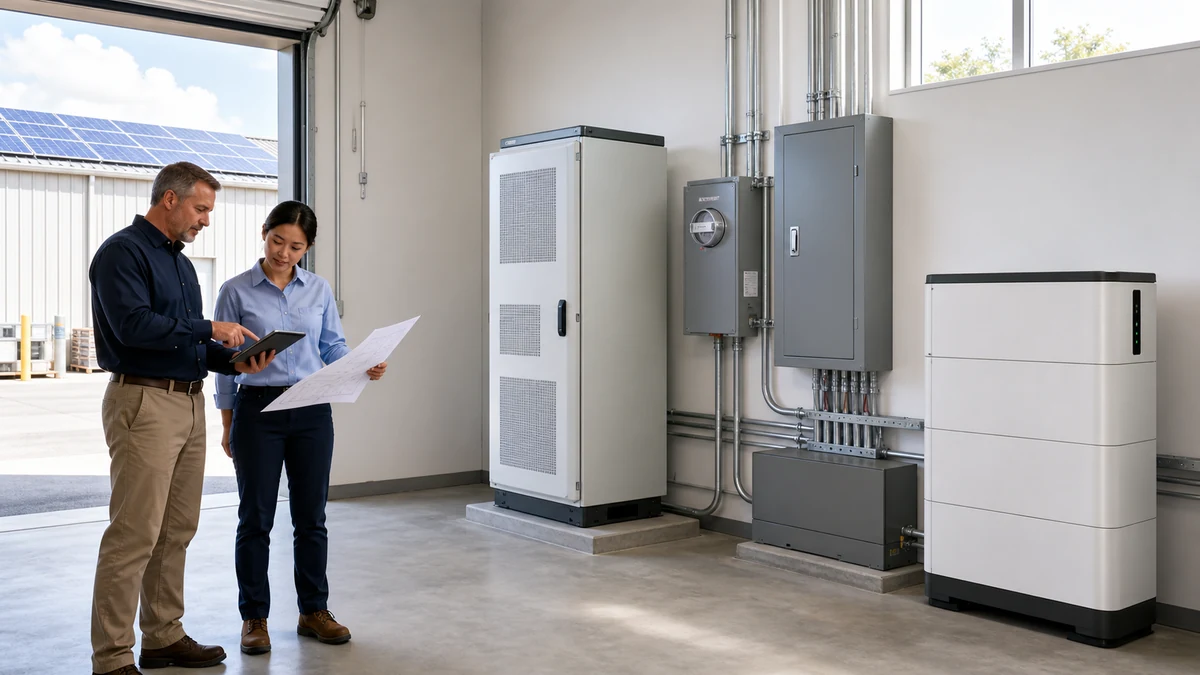
For home energy storage, the buyer usually wants to know whether a battery can run lights, Wi-Fi, refrigerator, security, small electronics, or selected outlets overnight. The important question is which loads are essential. Whole-home backup requires a larger inverter and more careful load control than essential-load backup.
For C&I ESS, runtime is often tied to production continuity, peak shaving, demand management, or critical equipment. The buyer should send load curves, site voltage, grid condition, operating schedule, peak demand, and any equipment that cannot lose power. A containerized BESS or outdoor cabinet should not be quoted from kWh alone.
Warranty and documentation assumptions
Runtime estimates should also respect warranty terms. Depth of discharge, cycle life, operating temperature, current limits, and installation environment can affect warranty risk. Buyers should request datasheets, warranty wording, commissioning records, and any recommended inverter settings before making promises to end users.
For documentation and risk review, use the Warranty, Certification, Shipping and OEM Buyer Guide. For supplier capability, OEM/ODM support, and after-sales coordination, review the SolarStorageHub Company Capability and Service Support Guide.
What to send before requesting a runtime estimate
A good RFQ should include the load list, running watts, starting surge where relevant, required backup hours, inverter model, battery capacity target, solar panel wattage, installation country, indoor or outdoor location, operating temperature range, and whether the buyer wants essential-load backup or full-site backup. The cleaner the input, the more useful the runtime estimate will be.
SolarStorageHub reviews battery sizing, inverter matching, solar charging assumptions, warranty terms, and service support before quotation. If you are preparing a project, organize your load table and send the details through Contact.
Related buyer guide: For runtime estimates, this matching guide adds PV recharge and MPPT limits to the battery sizing discussion. Read Solar Panel and Battery Storage Matching: PV Recharge, Inverter Limits and Buyer Checks.
Related buyer guide: For runtime expectations, this handover checklist helps installers explain backup loads and usable battery capacity to homeowners. Read Home Battery Storage Installation Handover Checklist for Installers and Distributors.
Related buyer guide: Runtime and transfer time answer different buyer questions; use this guide to verify the first seconds of an outage. Read Home Battery Backup Transfer Time Checklist: EPS Output, Critical Loads and Restart Testing.
After estimating usable kWh and runtime, review the 5kWh floor-mounted solar battery page to compare 5kWh, 10kWh, and 15kWh project fit. View the product and buyer checks.
For a portable-power comparison, the 3kWh and 5kWh LiFePO4 portable power stations page separates stored kWh from stable and peak AC output. Use the actual appliance load, usable-energy value and inverter efficiency rather than dividing nameplate kWh by one idealized load.
FAQ
How do I calculate battery storage runtime?
Start with usable battery energy, divide it by the average critical load, then adjust for inverter loss, reserve margin, temperature, battery aging, and real usage behavior.
Why is usable kWh lower than nameplate kWh?
Usable kWh may be reduced by depth-of-discharge limits, warranty recommendations, inverter loss, reserve settings, and aging margin.
Can a 10kWh battery run a house overnight?
It can run selected essential loads in many cases, but whole-home backup depends on the load list, inverter output, reserve margin, and whether high-power appliances are included.
Does solar panel wattage guarantee recharge time?
No. Solar recharge depends on sunlight, location, shading, panel angle, temperature, PV input limits, and how much load is running during charging.
Should buyers size batteries from average load or peak load?
Use average critical load for runtime, but also check peak load and surge demand to make sure the inverter can start and run the equipment.
What information should I send for a runtime quote?
Send a load list, watts, required hours, inverter model, battery capacity target, solar panel plan, installation country, and whether the project is home backup or C&I ESS.
Where should I start if I do not have a load table?
Start with the Solar Battery RFQ Checklist, then compare battery and inverter options in the Product Selection Guide.
Related SolarStorageHub Resources
If you are turning this article into a buying decision, compare the relevant product families and send your inverter model, target capacity, installation country, and quantity plan for confirmation.