
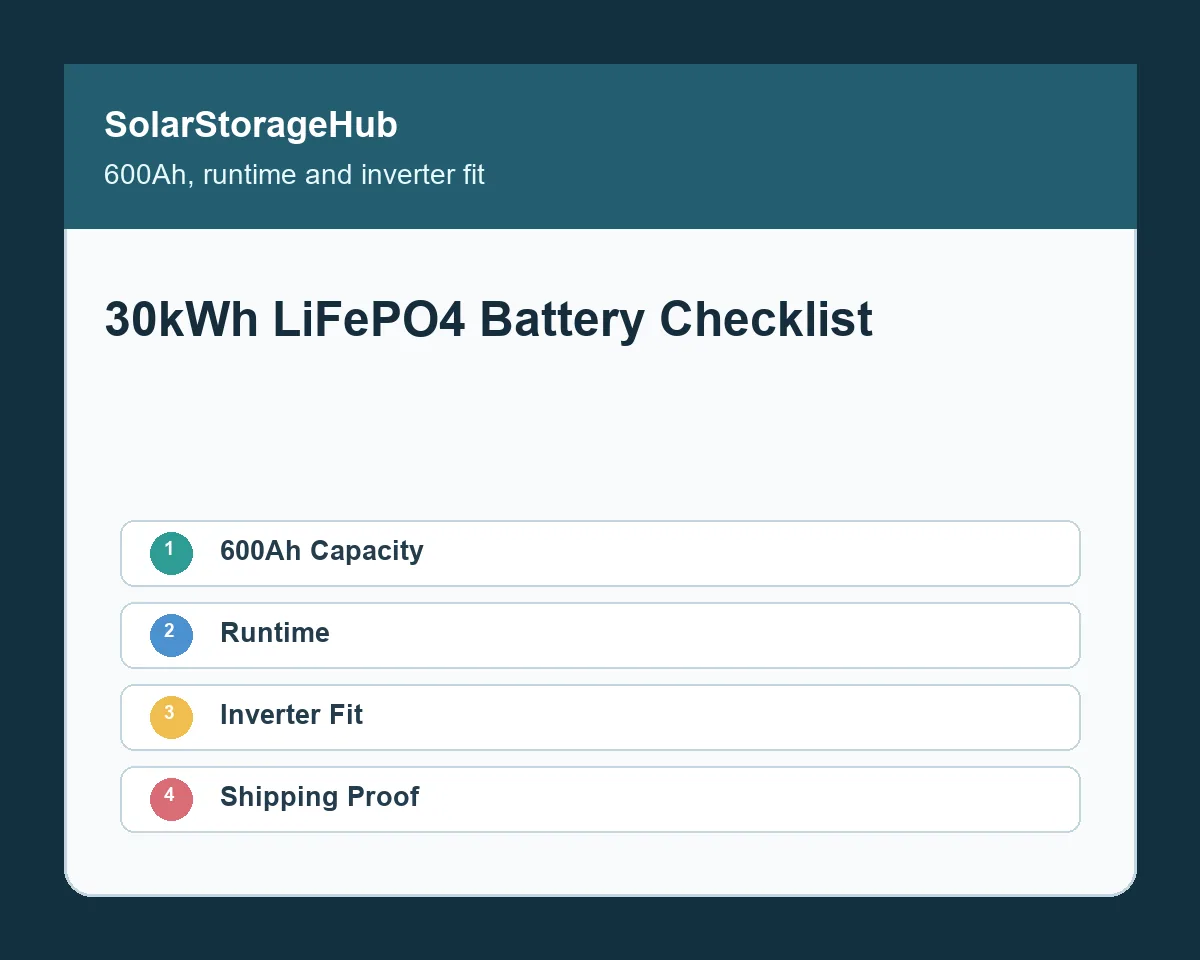
30kWh LiFePO4 Battery Checklist: 600Ah, Runtime and Inverter Fit
A 30kWh LiFePO4 battery sits in a practical middle ground for buyers who need more than a small wall battery but do not want a full commercial ESS cabinet. It can support larger home backup, small commercial solar storage, distributor stock and light off-grid projects. The purchase still needs careful checking. A 30kWh label does not prove usable runtime, inverter compatibility, safe installation, shipping readiness or warranty coverage.
This checklist is written for distributors, installers, EPC teams and OEM buyers comparing a 51.2V 600Ah floor-mounted battery or a similar 30kWh battery platform. Use it with the Home Energy Storage category, the Solar Inverter category and the Battery Storage Buyer Resources hub before approving a quote.
Start with usable energy, not catalog capacity
Most buyers ask whether a 30kWh battery can run a house, a small shop, a pump system or a backup load panel. The better first question is how much usable energy the battery can deliver under the planned depth of discharge, inverter efficiency, discharge power and temperature. A nominal 30kWh battery may not provide 30kWh at the AC output. The inverter, BMS settings and reserve SOC can reduce the energy available to the load.
Ask the supplier for nominal energy, usable energy, recommended depth of discharge, continuous discharge current, peak discharge current, cut-off voltage and BMS protection behavior. If the project needs backup, request a load list with running watts, starting watts and expected runtime. Compare the new quote with the 30kWh LiFePO4 runtime guide and the home battery backup load list checklist.
Match 600Ah current limits with the inverter
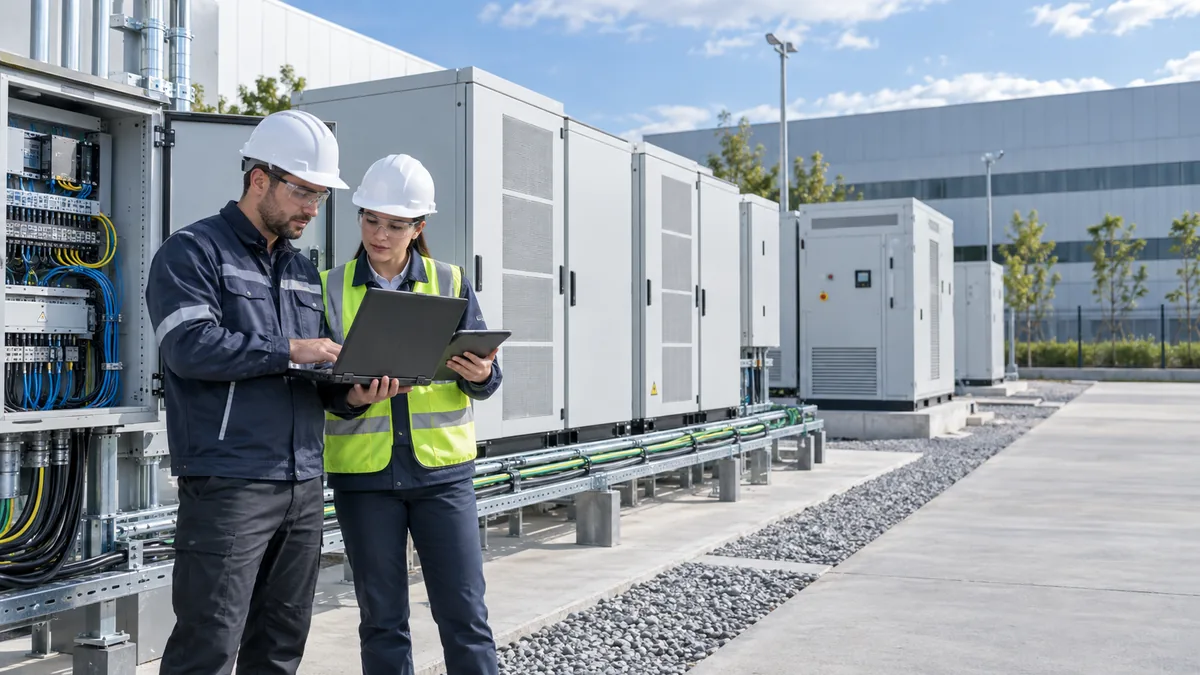
A common low-voltage format is 51.2V 600Ah. The voltage looks familiar, but the inverter still needs to support the battery current, communication protocol and BMS settings. Check the inverter battery voltage range, maximum charge current, maximum discharge current, CAN or RS485 communication, firmware version, alarm mapping and recovery behavior. If the inverter cannot communicate properly, the system may show inaccurate SOC, limit charge current or trigger avoidable alarms.
The U.S. Department of Energy explains that inverters manage energy conversion and grid interaction in solar energy systems, so inverter fit should be checked early rather than after the battery is delivered. Reference: Energy.gov inverter basics. For B2B buyers, the safest request is an inverter compatibility sheet that names tested brands, tested firmware, protocol settings and recommended parameters.
30kWh LiFePO4 battery buyer checklist
| Check item | What to request | Why it matters |
|---|---|---|
| Nominal capacity | 51.2V, 600Ah, nominal kWh and usable kWh. | Separates catalog capacity from practical AC-side runtime. |
| Discharge power | Continuous current, peak current and protection timing. | Shows whether motors, pumps or backup loads can start reliably. |
| Inverter fit | Voltage window, CAN or RS485 protocol and tested inverter list. | Prevents communication problems after installation. |
| Installation space | Dimensions, weight, floor loading, clearance and cable exit direction. | Confirms whether the battery can be installed and serviced safely. |
| Thermal limits | Charge and discharge temperature range, heating option and derating rule. | Protects cycle life and avoids cold-weather charging problems. |
| Documents | Datasheet, manual, wiring diagram, label photo and test record. | Gives buyers evidence before payment and shipment. |
| Warranty proof | Commissioning form, BMS logs and installation photos. | Reduces dispute risk if a later warranty claim needs evidence. |
Installation details that affect warranty
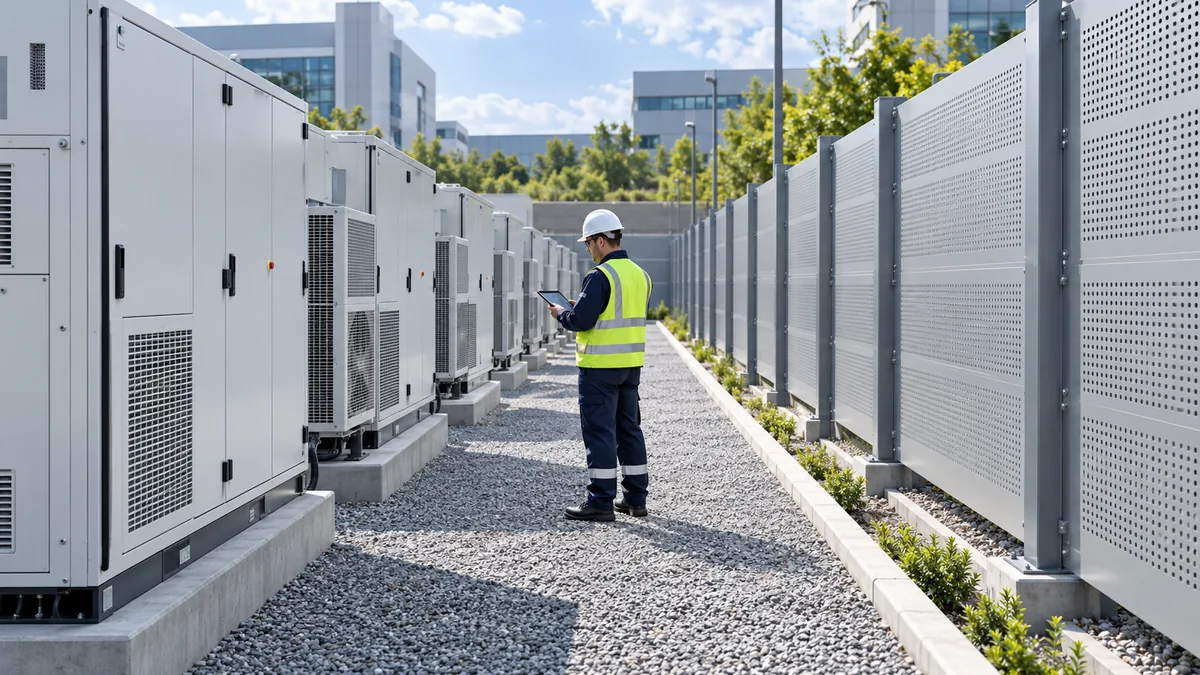
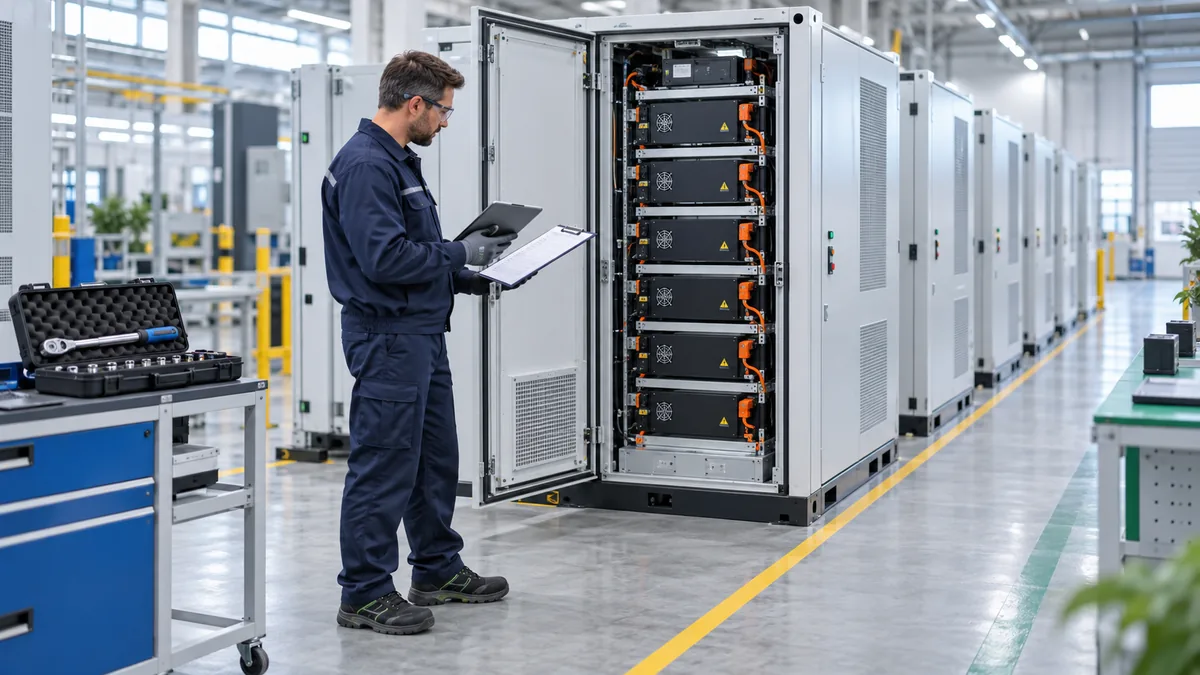
A 30kWh floor-mounted LiFePO4 battery is heavy enough that site preparation matters. Confirm the final location, floor condition, access route, door width, ventilation, service clearance and cable path. If the battery needs anti-tip fixing, ask whether wall brackets or floor anchors are included. If multiple units may be connected in parallel later, leave enough space for expansion and keep labels visible.
Warranty problems often start with missing records. Ask the installer to keep photos of the battery label, wiring, breaker, grounding, communication cable, inverter screen, SOC reading and final commissioning page. If the battery ships internationally, compare packaging and document requirements with the LiFePO4 battery shipping documents checklist. A strong order file should show what was ordered, what was shipped and how it was commissioned.
When 30kWh is the right size
30kWh can be a good size when the buyer needs longer home backup, a larger self-consumption battery, small commercial resilience, telecom support or light off-grid energy storage. It is also useful for distributors who want a product between small wall batteries and larger C&I cabinets. For some projects, however, a 30kWh battery is too large for the electrical load or too small for the expected backup time. The load profile decides the right answer.
If the project is a house, compare expected backup loads, PV recharge, inverter output and transfer behavior. If the project is a small commercial site, check daily load curve, peak demand, operating hours and grid limitations. If the project may expand into a larger system, compare the 30kWh product with C&I ESS and ask whether a cabinet or container system would be easier to scale.
Connect battery choice with solar recharge
Solar recharge is often overestimated. A 30kWh battery needs enough PV capacity, enough sun hours, correct MPPT voltage and realistic load control. If the site uses a hybrid inverter, check PV input voltage, MPPT current, maximum PV power and charging current to the battery. If the site uses AC coupling, confirm how the battery inverter coordinates with the existing solar inverter and how export control is handled.
Buyers comparing PV options can review the Solar Panel category and the solar panel and battery storage matching checklist. SolarStorageHub reviews battery capacity, inverter fit, PV recharge assumptions, installation limits and warranty evidence before quotation. For a project review, share the target load list, inverter model, PV size, installation country and quantity through the Contact page.
Related buyer guide: Large floor-mounted battery orders should connect 30kWh capacity with inverter current, runtime and shipment evidence. Read Floor Standing Energy Storage Battery Checklist: 5kWh to 30kWh Fit.
After estimating usable runtime and checking inverter current, compare the order-specific documents with the 51.2V 600Ah 30kWh LiFePO4 battery specifications before approving the match.
FAQ
Is a 30kWh LiFePO4 battery enough for a home?
It can be enough for many backup plans, but the answer depends on the load list, inverter output, usable battery energy and expected runtime.
What does 51.2V 600Ah mean?
It describes a low-voltage battery platform. Multiplying voltage and amp-hours gives roughly 30kWh nominal capacity before system losses and reserve settings.
Can a 30kWh battery run heavy loads?
Only if the battery discharge current, BMS settings and inverter surge capacity support those loads. Starting current must be checked.
Does every inverter support a 30kWh LiFePO4 battery?
No. The inverter must match voltage, current, CAN or RS485 communication and firmware settings.
What documents should I request before ordering?
Request datasheet, manual, wiring diagram, inverter list, protocol file, test record, label photo, packaging photo and warranty terms.
Is 30kWh better than several smaller batteries?
It depends on layout, service access, parallel rules, shipping method and future expansion. One larger unit can be cleaner, while multiple units can be more flexible.
When should SolarStorageHub review the battery choice?
Before order confirmation, especially when the buyer must match an existing inverter, PV array, backup load list or distributor stock plan.
Related SolarStorageHub Resources
If you are turning this article into a buying decision, compare the relevant product families and send your inverter model, target capacity, installation country, and quantity plan for confirmation.