Product Details


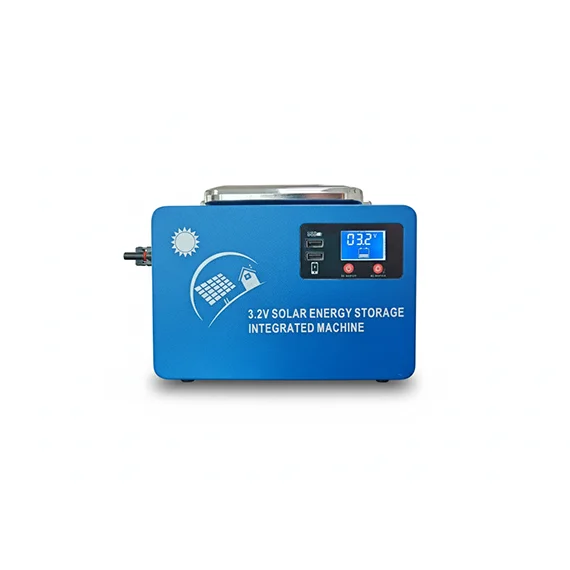
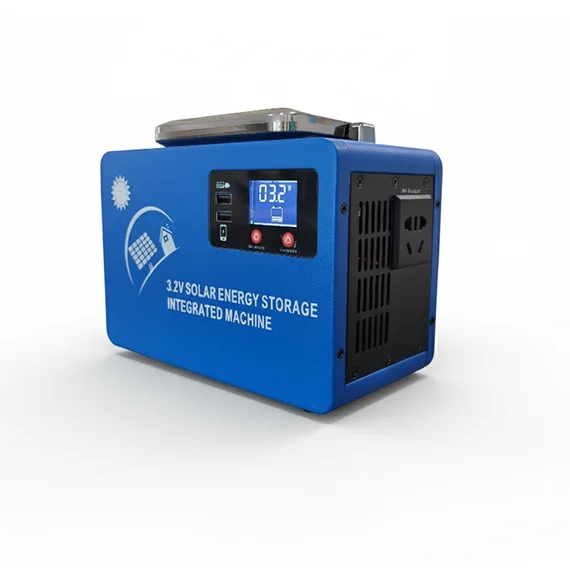
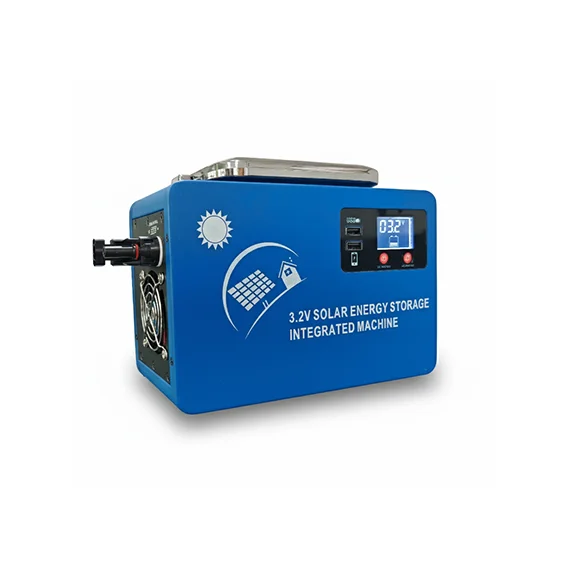
300W Portable Solar Energy Storage: Clean, reliable power for your devices. Features LiFePO4, pure sine wave, and solar charging
Ever had that sinking feeling? You're outdoors, finally relaxing, and your phone hits 2%. It’s the worst. Or your drone's dead right when the lighting gets good. Total headache.
We haul all this gear out to the woods, and for what? To have it die on us? The old solution was a gas generator. Just... no. Loud, heavy, smells awful. This 300W power unit is what you actually want. It's a Portable Solar Energy Storage (KW: 1) system—basically, a super-smart, quiet battery you can carry.
| Feature | Specification |
| Battery | |
| Battery Type | LiFePO4 (Lithium Iron Phosphate) |
| Battery Voltage | 3.2V (Single Group) |
| Input | |
| Solar Charging Current | 20A |
| Charging Mode | MPPT (Auto-tracking max solar current) |
| Charging Method | Max Current Tracking, Fast Charge, Balance, Float |
| PV Input Power | 30W - 65W (12V-18V) |
| PV Input Voltage Range | 12V - 25V |
| Output | |
| AC Output Power | 300W |
| AC Output Voltage | Selectable: 110V/60Hz or 220V/50Hz |
| General | |
| Operating Temperature | -20°C to 60°C (approx. -4°F to 140°F) |
| Product Dimensions | 22cm x 11cm x 15cm (approx. 8.7" x 4.3" x 5.9") |
| Net Weight | 4kg (approx. 8.8 lbs) |
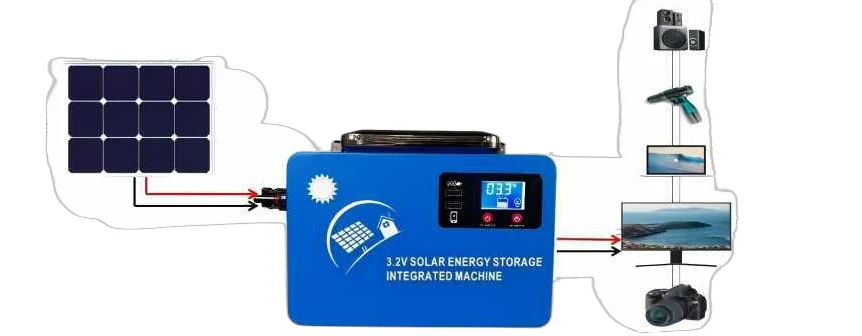
I know what you're thinking. 'Is 300W gonna be enough?' For most people, yeah, it's the perfect size. It's not too heavy, but it packs a punch.
What's 300W get you? It'll charge your phone like 20 times. It can run a laptop for a solid 5-6 hours. It'll keep your camp lights going all weekend. And if the power goes out at home? This Portable Solar Energy Storage (KW: 4) unit is a champ. It can keep your internet router on or even run a CPAP for the night.
(Conclusion & CTA) Seriously, don't let a dead battery wreck your trip. If you're sick of rationing your phone or leaving the laptop at home, you need to check out a 300W Portable Solar Energy Storage (KW: 5) unit.
It's clean, it's reliable, and it just works. Get power on your terms.
This 300W portable solar energy storage unit is designed for small mobile power needs where buyers want a compact power station for outdoor work, camping, emergency backup, short field operations, or sample distribution. Before ordering, confirm the real battery capacity, AC output waveform, DC and USB ports, solar input range, charging time, BMS protection, operating temperature, and packaging requirements for your target market.
For distributors and project buyers, the key question is not only whether the unit can power a device. It is whether the product can be matched with the expected load profile, local plug requirements, labeling, documentation, and after-sales process. If you are comparing this model with larger portable systems, review the full home energy storage and battery storage buyer resources pages before final selection.
| Checkpoint | Why it matters |
|---|---|
| Rated AC output and surge capacity | Confirms whether the product can start the intended device without overload shutdown. |
| Battery capacity and usable energy | Helps estimate runtime instead of relying only on the headline watt rating. |
| Solar input voltage and connector | Must match the selected portable solar panel, cable, and controller design. |
| Battery management protection | Review over-current, short-circuit, over-temperature, and low-voltage protection behavior. |
| Shipping documents | Portable lithium energy storage products may need battery-related transport documentation. |
For air or sea shipment planning, buyers should confirm battery classification, UN38.3, MSDS/SDS, carton labeling, and battery packaging details with the supplier and logistics provider. The IATA lithium battery guidance is a useful external reference for understanding why transport documentation matters.
Usually no. Kettles, heaters, hair dryers, and induction cookers often require much higher continuous power than 300W. Check the device nameplate before use.
Yes, if the solar panel voltage, connector, and input power range match the unit. Confirm the exact solar input specification before pairing.
Yes, if the supplier can support plug type, labeling, packaging, warranty terms, manuals, and shipping documents for the destination market.
Send target country, expected order quantity, required plug type, devices to be powered, runtime target, and preferred solar panel size through the SolarStorageHub contact page.
A 300W portable unit is best for low-power outdoor and emergency loads. Buyers should match it with lights, phones, routers, small DC equipment, or other loads that stay within the output rating.
For system planning, compare Home Energy Storage, Solar Inverter, Solar Panel, and the Buyer Resources hub. For quotation support, send the load profile, inverter model, installation site, and target market through the Contact page.
For a visible comparison table that connects every product path, use the Battery Storage Product Selection Guide and the trust and compliance buyer guide.
For supplier capability, OEM/ODM support, documentation workflow, and after-sales coordination, review the SolarStorageHub Company Capability and Service Support Guide.
Related buyer guides: 1500w electric kettle vs 800w portable power station a hardcore overload test and high capacity portable power stations 3kwh 5kwh. External reference: U.S. Department of Energy energy storage basics.
Before confirming backup loads, review the Home Battery Backup Transfer Time Checklist for EPS output, motor starting current, low-SOC behavior, and controlled outage testing.
It can run many small electronics, lighting, routers, and charging loads, but not high-power appliances unless rated for them.
Yes, when the panel voltage, connector, and charge input match the unit.
Divide usable battery energy by the load watts, then allow margin for inverter loss and reserve.
For a cleaner quotation request, prepare project details with the Solar Battery RFQ Checklist.
For additional specifications, please get in touch with us. We are committed to providing comprehensive service
