
How to Choose a 30kWh LiFePO4 Battery for Home and Small Commercial Solar Storage
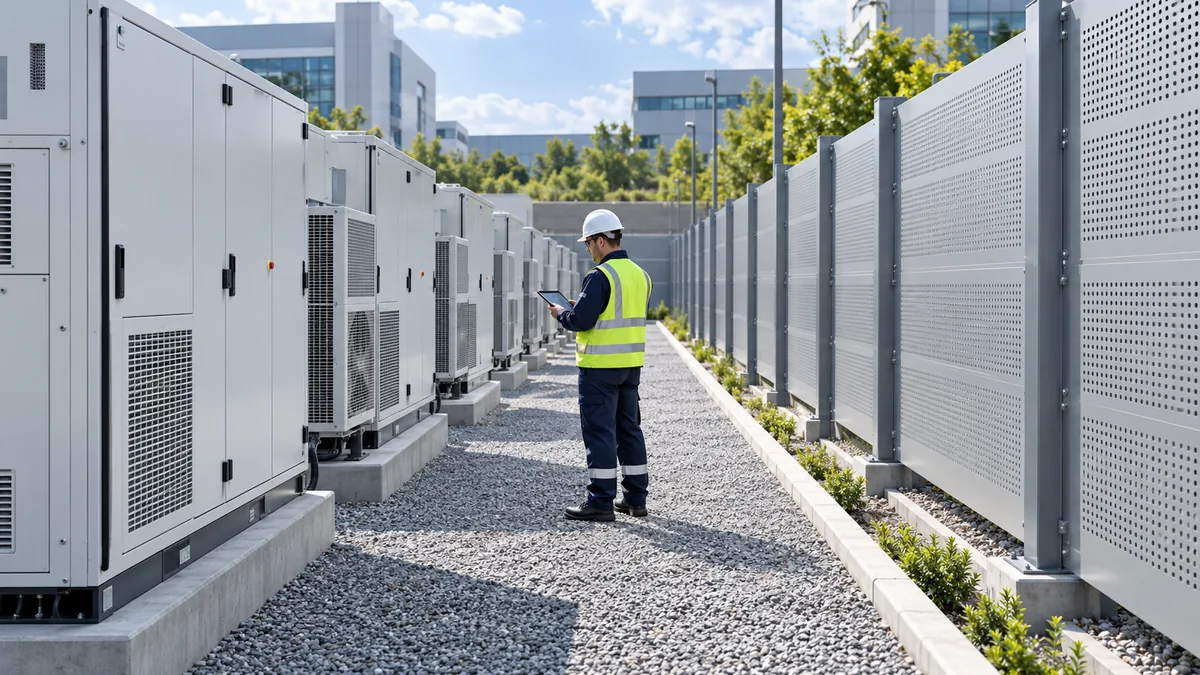
A 30kWh LiFePO4 battery sits in a practical middle ground. It is larger than a standard home backup battery, but still compact enough for villas, small shops, telecom sites, farms, clinics and light commercial buildings. For buyers comparing solar storage systems, the real question is not simply how many kilowatt-hours they need. It is whether the battery can safely deliver the required power, communicate with the inverter, expand later and keep its usable capacity after years of cycling.
This guide explains how to evaluate a 30kWh battery before you buy or specify it for an OEM project.
1. Start with usable energy, not nameplate capacity
A battery listed as 30kWh usually describes its nominal stored energy. The usable energy depends on the depth of discharge, BMS settings, temperature and inverter configuration. LiFePO4 batteries are popular for solar storage because they can support deeper discharge and long cycle life compared with lead-acid batteries.
For a typical home or small business, 30kWh can support selected critical loads such as lighting, refrigeration, networking, pumps, office equipment and limited air conditioning. It may not support every load in a building for a full day unless the load profile is carefully managed.
Before choosing a battery, list:
- average daily energy use in kWh
- peak power demand in kW
- essential backup loads
- expected outage duration
- solar array size
- grid tariff or peak/off-peak price difference
2. Check voltage and capacity configuration
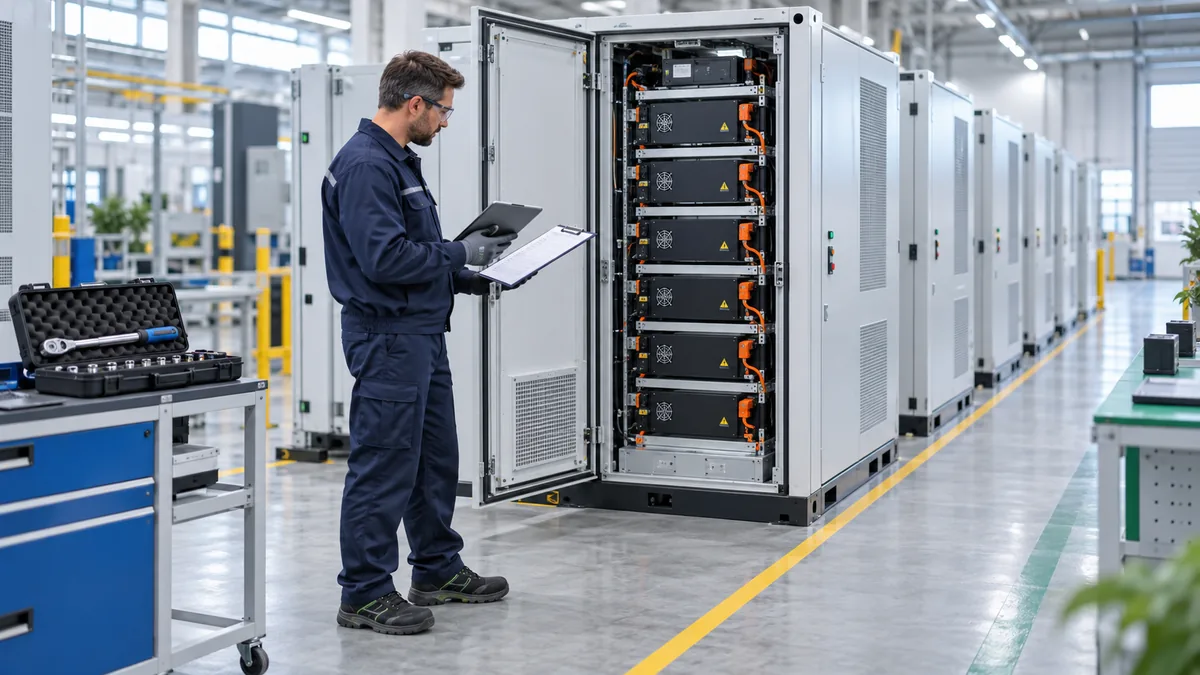
Many 30kWh floor-mounted LiFePO4 batteries use a 51.2V platform, often described as 48V nominal. A common configuration is 51.2V 600Ah. This format is compatible with many hybrid inverters and is widely used in low-voltage residential and light commercial storage systems.
When comparing models, check:
- nominal voltage
- operating voltage range
- charge and discharge current
- BMS protection limits
- communication ports such as CAN, RS485 or RS232
- parallel expansion limit
If the battery will be installed with an existing inverter, do not assume compatibility from voltage alone. Communication protocol matters. A battery that can exchange state of charge, alarm and protection data with the inverter will usually operate more reliably than a system running only on voltage settings.
3. Match discharge current to real loads
Energy capacity tells you how long the system can run. Discharge current tells you what it can power at one time. Pumps, compressors, air conditioners and workshop equipment can create high surge loads. If the BMS or inverter cannot handle those surges, the system may shut down even when plenty of energy remains in the battery.
For each project, compare continuous discharge current, peak discharge current, inverter output rating, startup surge of major loads, cable sizing and breaker sizing. For B2B buyers, ask the manufacturer for test data under high-current discharge and thermal conditions.
4. Prioritize LiFePO4 safety and cycle life
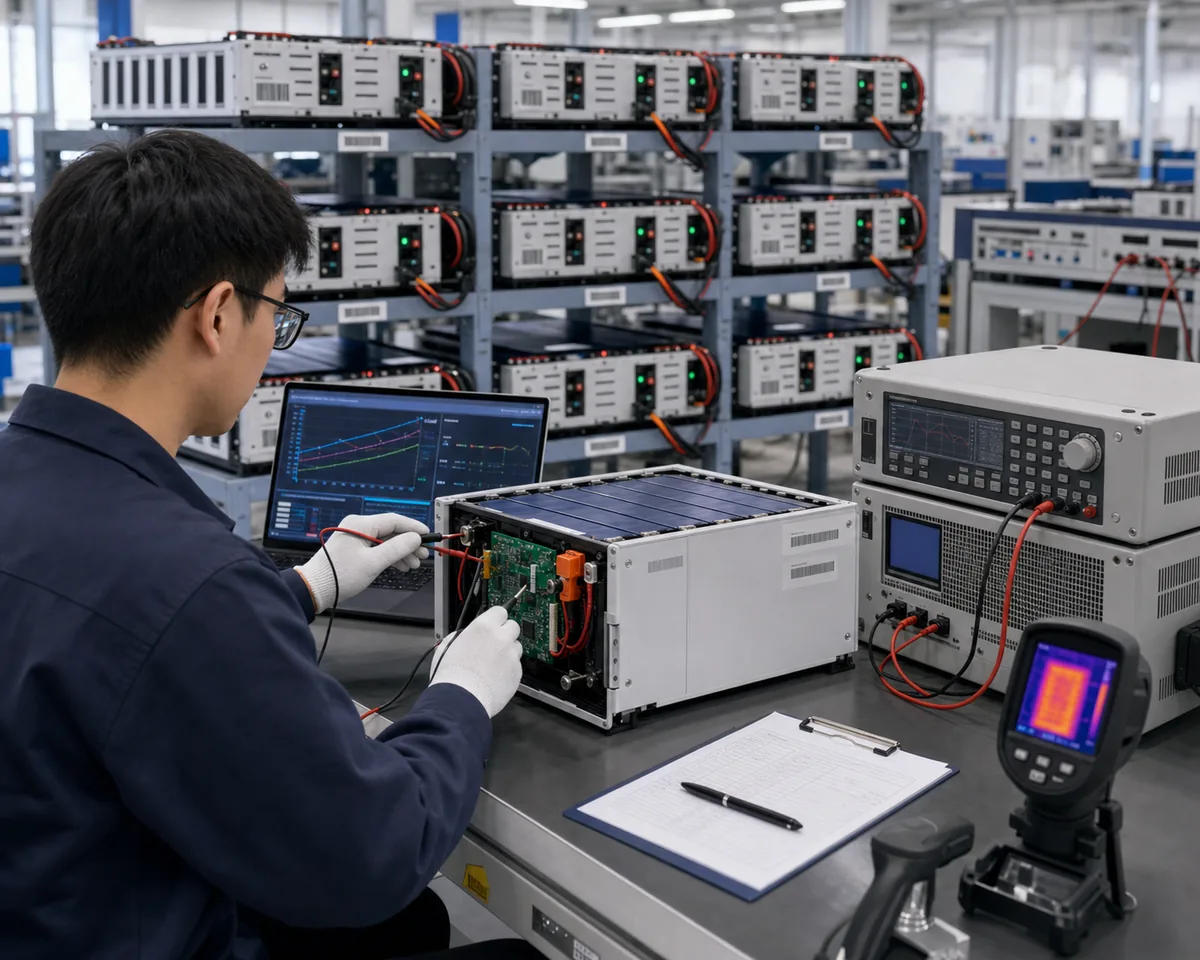
LiFePO4 chemistry is widely used in stationary storage because it offers strong thermal stability and long cycle performance. But chemistry alone is not enough. Safety also depends on cell selection, BMS design, enclosure quality, wiring, fusing, thermal management and quality control during production.
Ask for cell grade and supplier information, cycle life test conditions, BMS protection functions, short-circuit protection, overcharge protection, over-discharge protection, temperature protection and certification documents such as CE, IEC, UN38.3, MSDS and relevant UL documentation where available.
5. Plan expansion before installation
A 30kWh battery may be enough for the first stage of a project, but many users expand after adding EV charging, more air conditioning, larger solar arrays or additional business equipment. Choose a battery that supports parallel expansion and confirm the maximum number of units allowed.
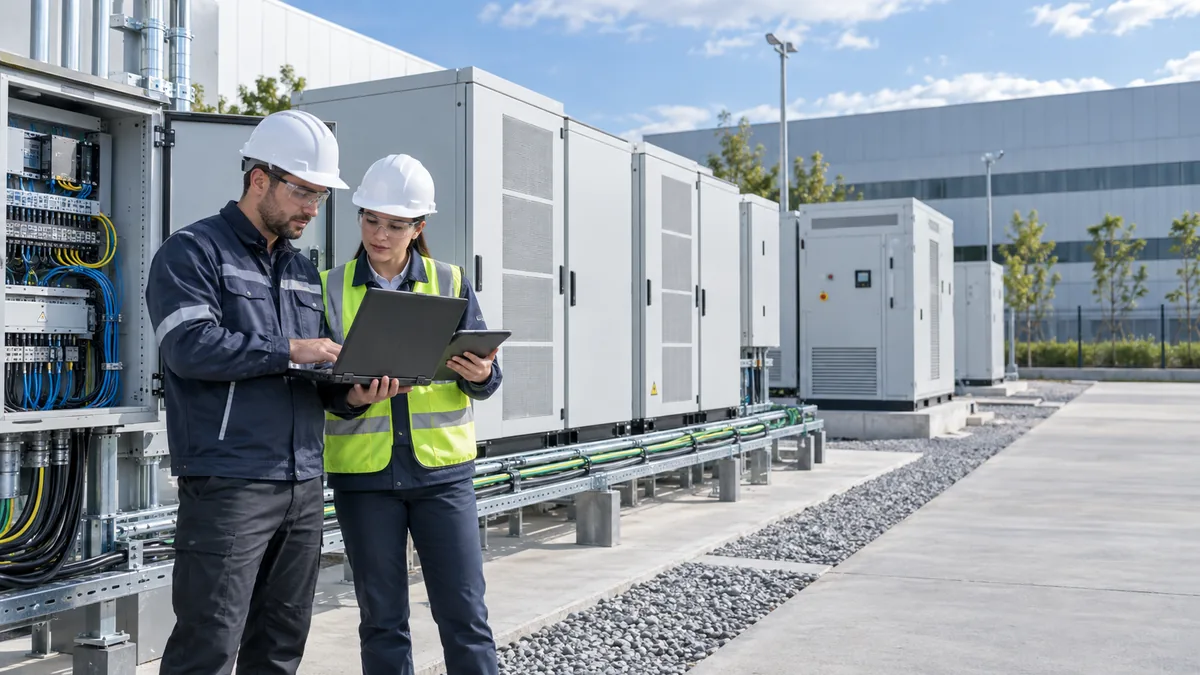
Expansion planning should include maximum parallel units, firmware compatibility, cable layout, battery address settings, cabinet spacing, ventilation and inverter capacity for future load growth.
6. Evaluate monitoring and after-sales support
Remote monitoring is not just a convenience. It helps installers and support teams identify abnormal voltage, temperature, SOC drift or communication faults before they become expensive problems.
For OEM and distributor projects, support quality can be as important as battery price. A lower upfront cost is rarely worthwhile if troubleshooting is slow or documentation is incomplete.
Conclusion
A good 30kWh LiFePO4 battery should combine usable energy, safe high-current performance, inverter communication, expansion capability and verified manufacturing quality. For home backup, off-grid sites and small commercial peak shaving, this size can be a strong balance between capacity, installation simplicity and long-term value.
Elecno provides floor-mounted LiFePO4 battery solutions for solar storage, backup power and OEM/ODM projects. If you are selecting a 30kWh battery for a project, request the datasheet, inverter compatibility list and certification package before finalizing the design.
Buyer review notes
A 30kWh battery usually sits between simple home backup and small commercial storage. The right choice depends on inverter voltage, discharge current, wall or floor space, backup target, and whether the buyer expects to add capacity later.
For system matching, start with Home Energy Storage, then compare Solar Inverter, Solar Panel, and Battery Storage Buyer Resources. For project-specific checks, use the Contact page.
Related technical checklists: what can a 30kwh lifepo4 battery run and wall mounted vs rack mounted lifepo4 batteries distributor guide. External reference: U.S. Department of Energy energy storage basics.
Procurement checks to confirm before ordering
- Confirm the inverter voltage range and battery communication protocol.
- Check floor space, wall strength, ventilation, and cable route before ordering.
- Compare usable energy, not only nominal capacity.
- Ask for warranty terms covering DoD, cycle life, temperature, and parallel operation.
SolarStorageHub editorial note: This guide is reviewed from a distributor and EPC buyer perspective, with attention to battery configuration, inverter compatibility, certification scope, shipment evidence, installation assumptions, and warranty support.
Related runtime guide: For 30kWh project sizing, the runtime guide helps buyers connect capacity choice with load profile, inverter loss and recharge assumptions. Read How to Estimate Battery Storage Runtime: Usable kWh, Load Profile and Solar Recharge for Buyers.
Related buyer guide: For 30kWh battery selection, this load list guide adds a practical way to compare backup expectations with usable kWh. Read Home Battery Storage Backup Load List: Essential Circuits, Runtime and Inverter Limits.
Related buyer guide: The earlier 30kWh buying guide explains chemistry, capacity and solar storage selection basics. Read 30kWh LiFePO4 Battery Checklist: 600Ah, Runtime and Inverter Fit.
For a 51.2V 600Ah example, review the listed dimensions, communication options and warranty notes on the 30kWh LiFePO4 battery product page, then request the final model-specific datasheet.
FAQ
Is a 30kWh battery enough for a whole house?
It depends on the load profile. It can support many critical loads for long backup periods, but whole-house runtime depends on air conditioning, heating, pumps, EV charging and other high-power loads.
Can a 30kWh LiFePO4 battery work off-grid?
Yes, when paired with a compatible hybrid or off-grid inverter, proper solar array sizing and correct protection devices.
What inverter communication should I look for?
CAN and RS485 are common. Always confirm the exact inverter brand and protocol compatibility before installation.
Related Buyer Resources
For broader product matching, compare home energy storage, C&I ESS, solar inverter, and solar panel options, or use the Battery Storage Buyer Resources hub.
Related SolarStorageHub Resources
If you are turning this article into a buying decision, compare the relevant product families and send your inverter model, target capacity, installation country, and quantity plan for confirmation.