
Home Battery Storage Systems: Complete Buyer’s Guide 2026
Home battery storage systems should be selected from the loads they must support, required backup time, usable battery energy, inverter output, solar recharge, installation conditions and approved battery-inverter compatibility. A product with more nameplate kWh is not automatically the better system. Buyers should compare the same scope, document every assumption and confirm which equipment, protection, installation and commissioning work is included.
This 2026 buyer guide is for homeowners, installers, distributors and project teams comparing residential battery systems. It does not publish a universal installed price or savings claim because tariffs, incentives, labor, permits, switchgear and backup scope vary by market and site. Use measured consumption, local quotations and competent electrical design for the final decision.
Who This Home Battery Storage Buyer Guide Is For
A home battery can support solar self-consumption, selected backup loads, time-based energy management or a combination of those goals. The first purchasing decision is therefore not chemistry or brand; it is the operating job. A system intended to keep a refrigerator, lighting and communications running during an outage is different from a system intended to operate large heating, cooling or motor loads.
Start with the Home Energy Storage category to understand available product formats, then use the Battery Storage Buyer Resources hub for related technical checklists. Keep the final selection tied to the exact site rather than a generic package description.
Define the Backup Loads Before Choosing Capacity
Create a load list with each appliance or circuit, normal watts, starting or surge demand, expected operating time and whether it must run simultaneously with other loads. Separate essential circuits from optional loads. Motors, compressors, pumps and heating equipment can require more inverter power at startup than their normal running demand suggests.
The home battery backup-load checklist explains how to group essential circuits. Do not use monthly electricity consumption alone: it does not show short power peaks, outage priorities or the time of day when the battery is expected to operate.
| Load input | What to record | Why it changes the system |
|---|---|---|
| Running power | Measured or manufacturer-rated watts for each selected load. | Determines the continuous inverter requirement. |
| Starting demand | Surge or locked-rotor behavior for motors and compressors. | May determine whether the inverter can start the load. |
| Operating time | Expected hours or duty cycle during the backup period. | Converts power into required energy. |
| Simultaneous loads | Which circuits can operate at the same time. | Defines realistic peak output rather than adding every nameplate value blindly. |
| Load priority | Essential, managed or excluded during an outage. | Allows a smaller system to protect the most important services. |
Separate Battery kWh From Inverter kW
Battery energy is stated in kilowatt-hours, while inverter output is stated in kilowatts. Energy affects how long loads can run; power affects which loads can run at the same time. Both must be checked. A battery with sufficient kWh can still fail to start a motor if the inverter output or surge capability is insufficient.
Estimate usable energy from the approved state-of-charge window, reserve setting, conversion loss, temperature limits and expected aging allowance. Then compare usable kWh with the expected load profile. The battery storage runtime guide provides a calculation path without treating all nameplate energy as available.
Compare Battery Chemistry and Form Factor Without Shortcuts
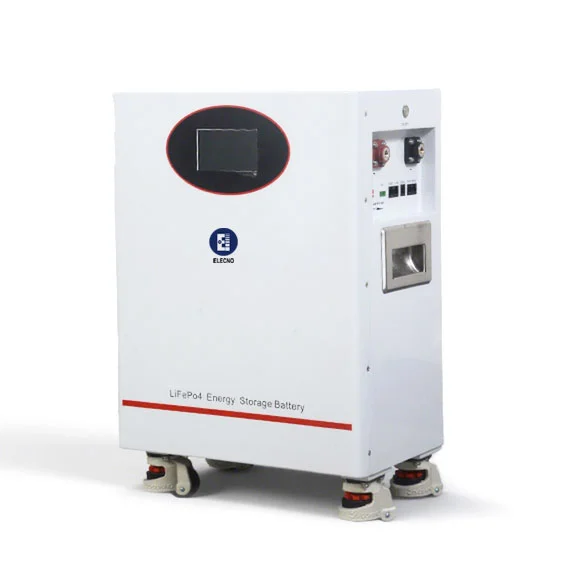
LiFePO4 is widely used in residential storage, but chemistry alone does not prove product safety, service life or project compatibility. Review the complete battery system: cell configuration, BMS, enclosure, protection, thermal design, installation method, documented operating limits, certification scope and warranty conditions.
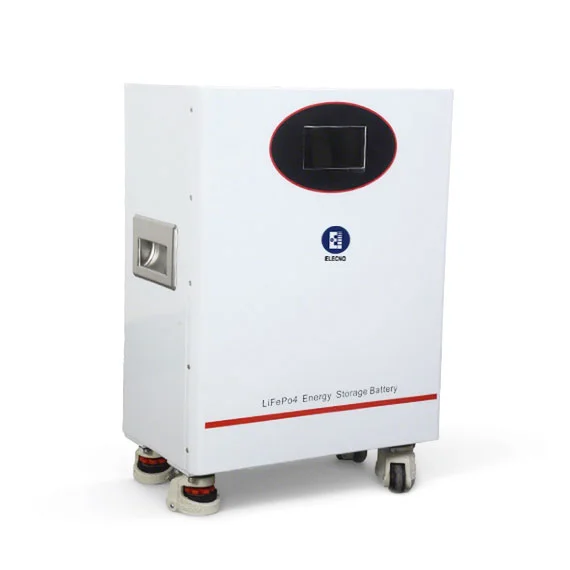
Wall-mounted, floor-mounted, stackable and rack-mounted systems create different space, lifting, wiring and service requirements. A compact product may suit a small utility room, while a modular system may better support staged expansion. Use the LiFePO4 versus lead-acid comparison for chemistry questions and the wall-mounted versus rack-mounted guide for installation format.
Confirm Battery and Inverter Compatibility as One Package
Mechanical connection is not proof of compatibility. Confirm nominal and operating voltage, charge and discharge current, CAN or RS485 protocol, approved communication cable, addressing, state-of-charge reporting, alarm behavior, low-temperature limits, shutdown sequence and firmware requirements. Obtain written confirmation for the exact battery and inverter models.
Compare systems through the Solar Inverter category and follow the hybrid inverter compatibility checklist. If communication fails, the system may fall back to fixed voltage settings or stop operating; the buyer should know the supported operating mode before purchase.
| Compatibility item | Evidence to request | Risk if omitted |
|---|---|---|
| Voltage window | Battery and inverter data sheets for the exact models. | Charging or shutdown outside the approved operating range. |
| Current limits | Approved continuous and peak charge/discharge settings. | BMS trips, reduced output or cable and protection mismatch. |
| Communication | Supported protocol, cable, pinout and firmware notes. | Incorrect SOC, missing alarms or failed commissioning. |
| Expansion | Maximum parallel quantity, addressing and age-mixing rules. | Future modules may not be supported under warranty. |
| Backup operation | EPS output, transfer arrangement and restart behavior. | Essential circuits may not operate as expected during an outage. |
Check Whether Solar Can Recharge the Battery
A battery selected for backup must also have a credible recharge path. Review PV array size, seasonal solar resource, household daytime load, inverter PV input limits and charge-power limits. A large battery may remain partly charged when winter solar production is low or when household loads consume most daytime generation.
Use the solar panel and battery matching checklist to review PV voltage, current, MPPT grouping and expected recharge. The U.S. Department of Energy storage-integration overview provides general background; final sizing must use the local site and equipment.
Plan the Installation Site Before Ordering
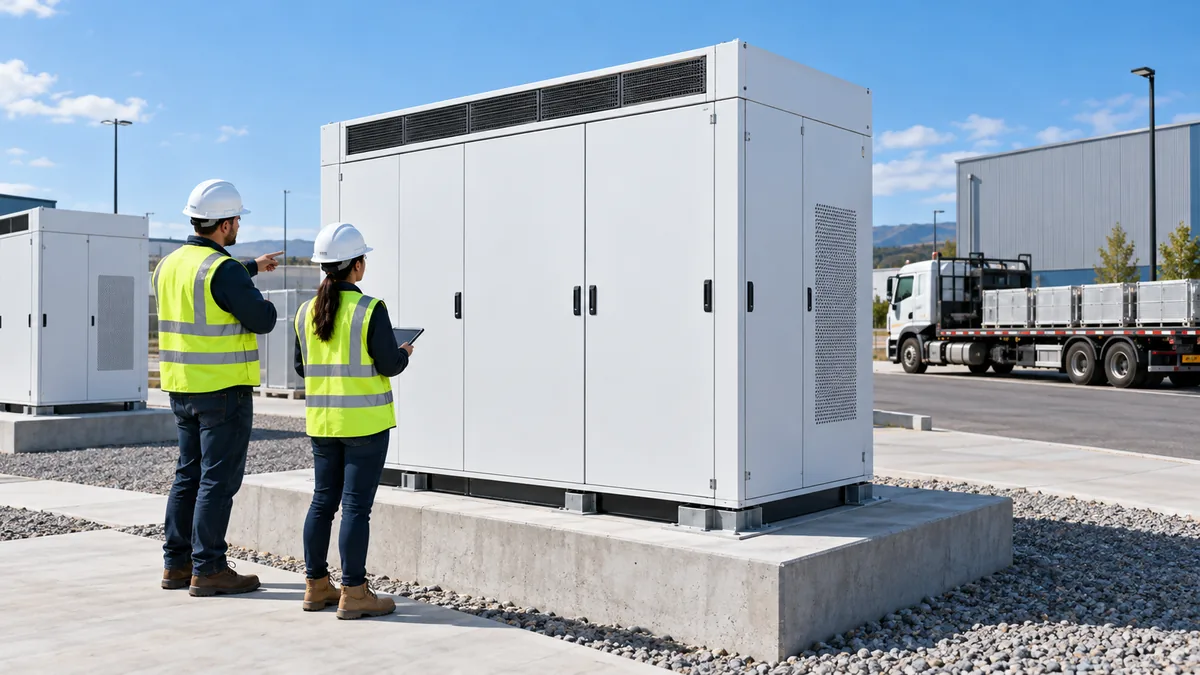
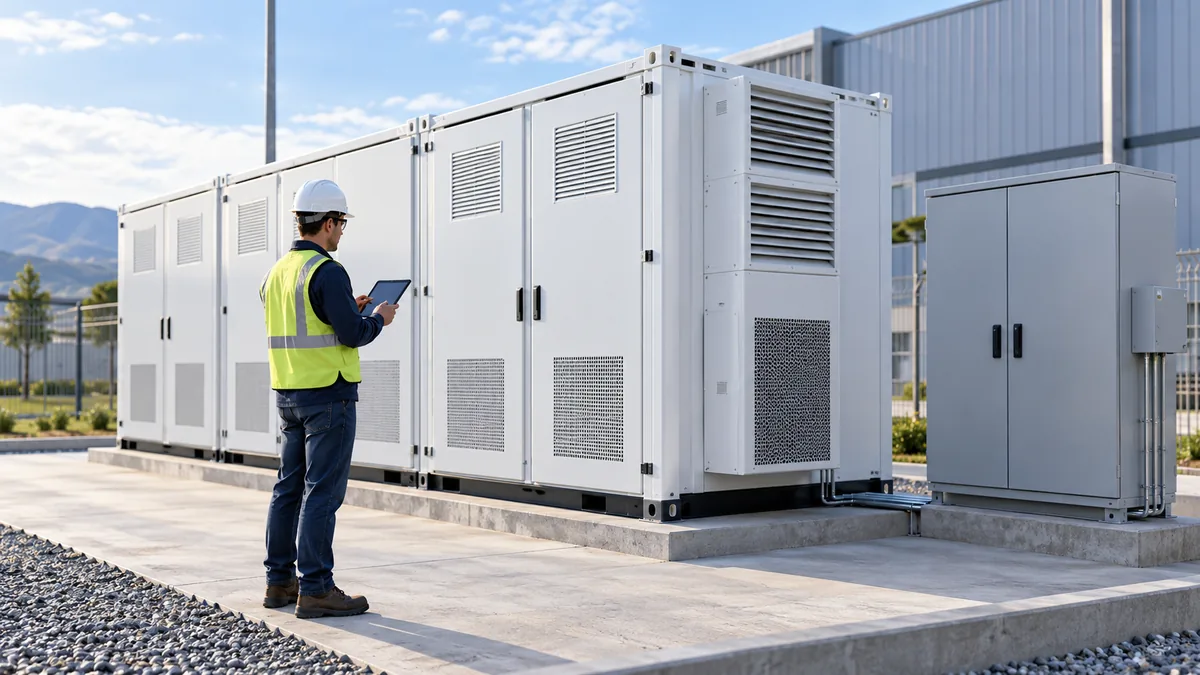
Confirm indoor or outdoor suitability, temperature range, ventilation, moisture, flood exposure, direct sunlight, service clearance, wall or floor capacity, access for lifting, cable route, impact protection and separation from ignition or occupied areas as required by local rules. The product enclosure rating is only one part of site suitability.
Ask the installer for an approved single-line diagram, equipment layout, cable and protection schedule, shutdown method, labels, commissioning checklist and handover file. The home battery installation handover checklist covers the site records that should remain with the owner.
Review Safety and Certification Evidence by Exact Model
Request certificates, test reports and declarations that identify the exact battery, inverter and market scope. A logo on a brochure is not enough. Check the issuing body, applicant, model list, standard edition, validity and whether the document covers the complete system or only one component.
Installation safety also depends on correct protection, earthing, conductor sizing, isolation, torque control, labeling and commissioning. Use competent installers and the authority or utility process required in the project jurisdiction. Do not assume that a factory certificate replaces local installation approval.
Read the Warranty as an Operating Agreement
Compare warranty duration with its retained-capacity condition, energy-throughput or cycle conditions, permitted operating temperatures, approved inverter list, internet or monitoring requirements, installation qualification, maintenance obligations, labor coverage and shipping responsibility. A long headline period can still leave important exclusions.
Review the solar battery warranty terms guide and keep the invoice, serial numbers, commissioning report, settings backup, photographs and service history. These records can be as important as the warranty document when a claim is investigated.
Compare Quotations With the Same Scope
Do not compare a battery-only price with a turnkey installed system. Ask each supplier to separate battery modules, inverter, backup switchgear, protection, meters or CTs, cables, enclosures, delivery, installation, permits, commissioning, monitoring, training and warranty support. State exclusions and taxes clearly.
Financial value must use the buyer's current import tariff, export compensation, time-of-use schedule, measured load profile, expected solar production, usable battery energy, efficiency, maintenance and financing. Run more than one scenario and keep backup value separate from bill-saving estimates. Avoid treating a promotional example as a forecast.
Home Battery Storage Buyer Evidence Checklist
| Decision area | Buyer evidence | Release question |
|---|---|---|
| Loads and runtime | Measured load list, outage priorities and usable-energy calculation. | Can the system support the selected circuits for the planned time? |
| Power output | Continuous and surge requirements compared with inverter ratings. | Can required loads start and operate together? |
| Compatibility | Exact battery-inverter approval, settings and communication documents. | Is the complete pairing supported, not merely connectable? |
| Solar recharge | PV design, seasonal estimate and inverter charge limits. | Can the battery recharge under realistic site conditions? |
| Installation | Layout, SLD, protection schedule, environmental limits and permits. | Is the site ready for the exact equipment? |
| Warranty | Full terms, exclusions, service process and evidence requirements. | Who handles diagnosis, labor, freight and replacement? |
| Handover | Serials, settings, commissioning results, manuals and owner training. | Can the owner and service team operate and support the system? |
Home Battery Storage Systems FAQ
What is the best battery chemistry for home solar storage?
LiFePO4 is widely used because it can provide a practical balance of cycle life, safety profile and usable capacity, but buyers must still review the complete battery system, documented limits and installation design.
How much battery capacity does a home need?
Capacity depends on essential loads, operating time, usable depth of discharge, inverter losses, reserve setting, temperature, solar recharge and expected aging. Start with a measured load list.
Should the battery and inverter be chosen together?
Yes. Confirm voltage, current, CAN or RS485 protocol, firmware, settings and warranty approval for the exact pairing before purchase.
Can a home battery work without solar panels?
Some systems can charge from the grid, but operation, tariff eligibility, backup behavior and financial value depend on the local market, inverter functions and approved installation.
Will a home battery power the whole house?
Only when battery energy, inverter output, surge capability, switchgear and circuit design support the full load. Many projects use a selected essential-load board instead.
What should a buyer receive after installation?
Keep the approved SLD, equipment serials, settings backup, test and commissioning results, manuals, warranty terms, permits where required, monitoring access and an explanation of shutdown and backup operation.
Final Buyer Decision Path
Choose a home battery only after the load list, usable-energy calculation, inverter output, solar recharge, battery-inverter compatibility, installation plan, warranty and quotation scope agree. Review the real product options on the 5kWh, 10kWh and 15kWh floor-mounted battery page. For a project review, send SolarStorageHub the load list, inverter model, PV data, installation photos and destination market.
Related SolarStorageHub Resources
If you are turning this article into a buying decision, compare the relevant product families and send your inverter model, target capacity, installation country, and quantity plan for confirmation.