
LiFePO4 vs Lead-Acid Batteries for Solar Storage: Which Is Better for 2026 Projects?
Solar storage buyers often compare LiFePO4 and lead-acid batteries because both can store energy from PV systems. Lead-acid batteries have a long history and a low upfront price. LiFePO4 batteries cost more at purchase, but usually deliver better usable capacity, longer cycle life, lower maintenance and stronger long-term economics.
For 2026 solar projects, especially home storage, off-grid power, telecom backup and commercial peak shaving, LiFePO4 is often the better choice. The reason is simple: storage systems are now expected to cycle frequently, communicate with smart inverters and deliver reliable backup for years.
1. Usable capacity
The number printed on a battery does not always equal usable energy. Lead-acid batteries usually should not be deeply discharged on a daily basis because deep cycling accelerates degradation. LiFePO4 batteries can typically support deeper discharge, which means more usable energy from the same nameplate capacity.
2. Cycle life and cost per cycle
Lead-acid batteries can work well for occasional backup, but frequent cycling reduces life. Solar storage is different from standby backup because the battery may charge and discharge every day. In daily cycling applications, cycle life becomes one of the biggest cost drivers.
LiFePO4 batteries are designed for high-cycle use. A quality LiFePO4 system with a smart BMS can deliver thousands of cycles under suitable operating conditions. This usually reduces cost per cycle even when the initial purchase price is higher.
When comparing quotes, do not only ask for price per kWh. Ask for expected cycle life, depth of discharge condition, warranty period, remaining capacity at end of warranty, temperature condition for testing and BMS protection features.
3. Maintenance and operating simplicity
Lead-acid systems may require more attention, especially flooded batteries. Maintenance can include ventilation, electrolyte checks, equalization charging and corrosion management. AGM and gel batteries reduce some maintenance needs, but they still have weight, depth-of-discharge and cycle-life limitations.
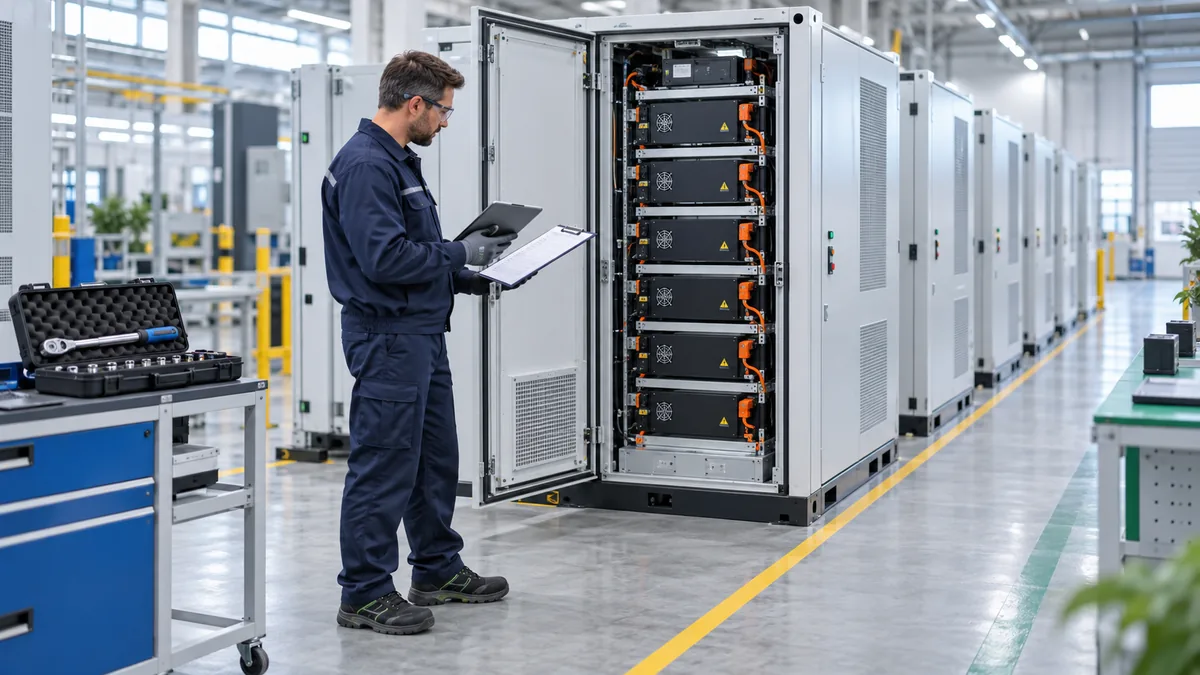
LiFePO4 batteries are usually sealed, quiet and low-maintenance. With integrated BMS protection and remote monitoring, installers can track system status more easily. For commercial sites or distributor projects, this reduces service visits and improves customer satisfaction.
4. Weight and installation space
Lead-acid batteries are heavy. A high-capacity lead-acid bank can require significant floor loading, larger cabinets and more installation labor. LiFePO4 batteries offer higher usable energy density, making them easier to install in homes, utility rooms, telecom shelters, mobile systems and compact commercial spaces.
5. Power performance
Solar storage is not only about energy. Some projects need high power for pumps, refrigerators, compressors, servers, tools or air conditioning. LiFePO4 batteries with a properly designed BMS can support strong charge and discharge performance, but the actual result depends on the battery model and inverter.
6. Safety and protection
Both battery types require correct installation and protection. LiFePO4 chemistry is known for thermal stability, but safe operation still depends on product design. A quality LiFePO4 battery should include protection against overcharge, over-discharge, overcurrent, short circuit and abnormal temperature.
For international projects, documentation matters. Buyers should request certification packages and shipping documents, including UN38.3 and MSDS where applicable. For stationary energy storage, additional market-specific safety requirements may apply.
7. When lead-acid may still make sense
Lead-acid batteries may still be suitable for very low-budget projects, short-term installations or occasional backup systems with low cycling frequency. They can also be easier to source in some local markets.
Conclusion
For most 2026 solar storage projects, LiFePO4 batteries are the better long-term investment. They provide higher usable capacity, longer cycle life, lower maintenance, better space efficiency and stronger integration with modern hybrid inverters.
Lead-acid still has a role in some budget or low-cycle applications, but buyers should compare total lifecycle cost, not only purchase price. For OEM brands, distributors and project developers, LiFePO4 also provides a more scalable foundation for modern solar storage systems.
Buyer review notes
The real comparison is not only purchase price. Buyers should compare usable capacity, cycle life at the intended depth of discharge, maintenance time, temperature behavior, cabinet space, replacement schedule, and warranty evidence.
For system matching, start with Home Energy Storage, then compare Solar Inverter, Solar Panel, and Battery Storage Buyer Resources. For project-specific checks, use the Contact page.
Related technical checklists: 48v vs high voltage solar batteries distributor checklist and battery certification documents solar storage buyers. External reference: U.S. Department of Energy energy storage basics.
Procurement checks to confirm before ordering
- Compare usable kWh instead of only nominal Ah or kWh.
- Check cycle-life claims against DoD and temperature conditions.
- Review inverter charge settings and low-voltage protection.
- Calculate replacement cost and downtime risk over the project life.
SolarStorageHub editorial note: This guide is reviewed from a distributor and EPC buyer perspective, with attention to battery configuration, inverter compatibility, certification scope, shipment evidence, installation assumptions, and warranty support.
2026 buyer update: compare usable service, not only purchase price
LiFePO4 and lead-acid batteries should be compared by usable capacity, cycle behavior, maintenance needs, installation space, replacement schedule, inverter limits and warranty evidence. A lower upfront price can become more expensive if the battery has lower usable capacity, shorter life or heavier maintenance requirements.
For residential projects, start with Home Energy Storage and check the inverter path through Solar Inverter. For distributors preparing samples, the LiFePO4 Battery Sample Order Checklist helps compare real product behavior before a batch order.
Evidence note: SolarStorageHub recommends checking BMS records, warranty wording, installation photos and maintenance expectations before quotation. For safety-document context, buyers can review IEC 62619:2022 and UL Solutions energy storage testing and certification.
Related document and sample checks
These supporting checks help buyers connect battery choice with sample approval, certification scope and export evidence before scaling a purchase.
Related buyer guide: Chemistry comparisons should include model-specific low-temperature charge limits and winter operating controls. Read LiFePO4 Cold-Weather Charging Checklist: BMS Cut-Off, Battery Heating and Winter Testing.
FAQ
Is LiFePO4 always better than lead-acid?
Not always. Lead-acid can work for low-cost occasional backup, but LiFePO4 is usually better for frequent cycling and long-term solar storage.
Why does LiFePO4 cost more upfront?
The cell chemistry, BMS, enclosure and manufacturing controls usually increase initial cost, but longer cycle life can reduce lifetime cost.
Can I replace lead-acid with LiFePO4 directly?
Sometimes, but the charger, inverter settings, cables, protection devices and communication requirements must be checked first.
Related Buyer Resources
For broader product matching, compare home energy storage, C&I ESS, solar inverter, and solar panel options, or use the Battery Storage Buyer Resources hub.
Related SolarStorageHub Resources
If you are turning this article into a buying decision, compare the relevant product families and send your inverter model, target capacity, installation country, and quantity plan for confirmation.