
Energy Storage for Hurricane-Prone Sites: Backup Planning Lessons for Caribbean Facilities
When Hurricane Melissa, a monster Category 5 storm, ripped through Jamaica in late October, the critical role of energy storage batteries became starkly clear. We all saw the headlines. But the real terror? It settled in after the wind stopped.
It was the silence.
Melissa didn't just flood coastlines; it shattered the island's power grid. At one point, over 75% of the entire nation was dark. This isn't just an inconvenience. It's a total breakdown. When the grid goes down, everything else follows. Water stops. Phones die. Hospitals panic. This is where the story of disaster recovery is flipping, and energy storage batteries are the ones rewriting the script.
The Grid-Down Domino Effect: Why Traditional Power Fails in a Crisis
A central power grid is a modern marvel. But it’s also a single point of failure. Melissa proved just how fragile it is. For days, people weren't just cut off by flooded roads—they were cut off by a total communications blackout.
Think about what that means:
- No Power, No Contact: Cell towers were dead. You couldn't call your family to see if they were alive. Rescue teams couldn't coordinate.
- No Power, No News: Radios, internet... gone. People were left blind, with no idea where to find help or what new dangers were coming.
- No Power, No Services: Hospitals, the one place you need most, were scrambling with sputtering diesel generators. Water treatment plants shut down.
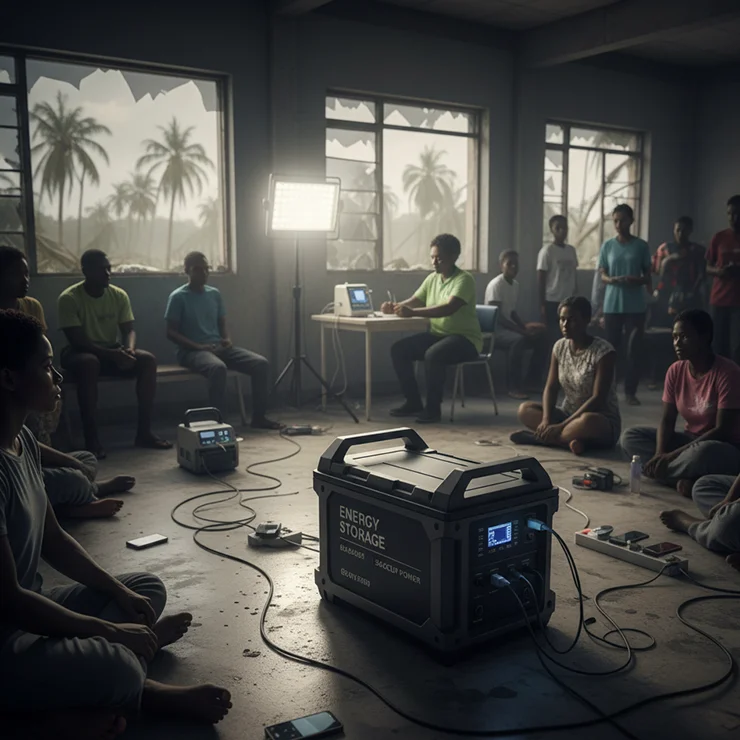
The Unsung Heroes: How Portable Energy Storage Batteries Kept Hope Alive
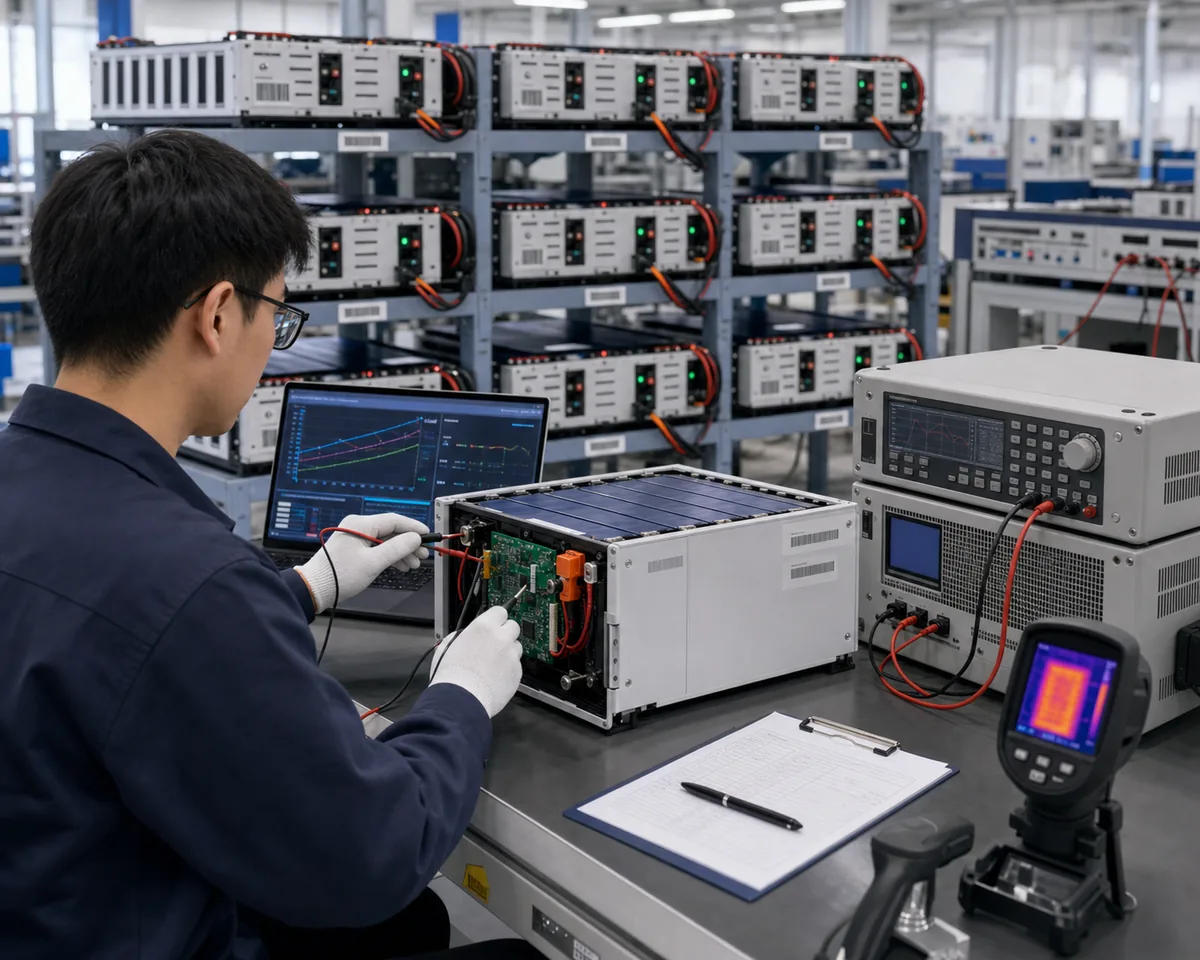
In that darkness, the smallest specks of power became the most valuable things on the island. Not huge generators. I'm talking about portable energy storage units and LiFePO4 battery packs.
Survivors and aid workers who had these:
- Kept a Comms Link: They could charge a single satellite phone or a radio. That one device became the only link to the outside world for an entire community.
- Powered Phones: It meant one more person could send that "I'm alive" text.
- Ran Medical Gear: It kept a home nebulizer or a monitoring device running when the hospitals were overwhelmed.
- Just Made Light: A single LED light in a dark shelter? That's not just light. That's safety. That's sanity.
Beyond Phones: The Community Power of LiFePO4 Energy Storage Batteries (ESS)
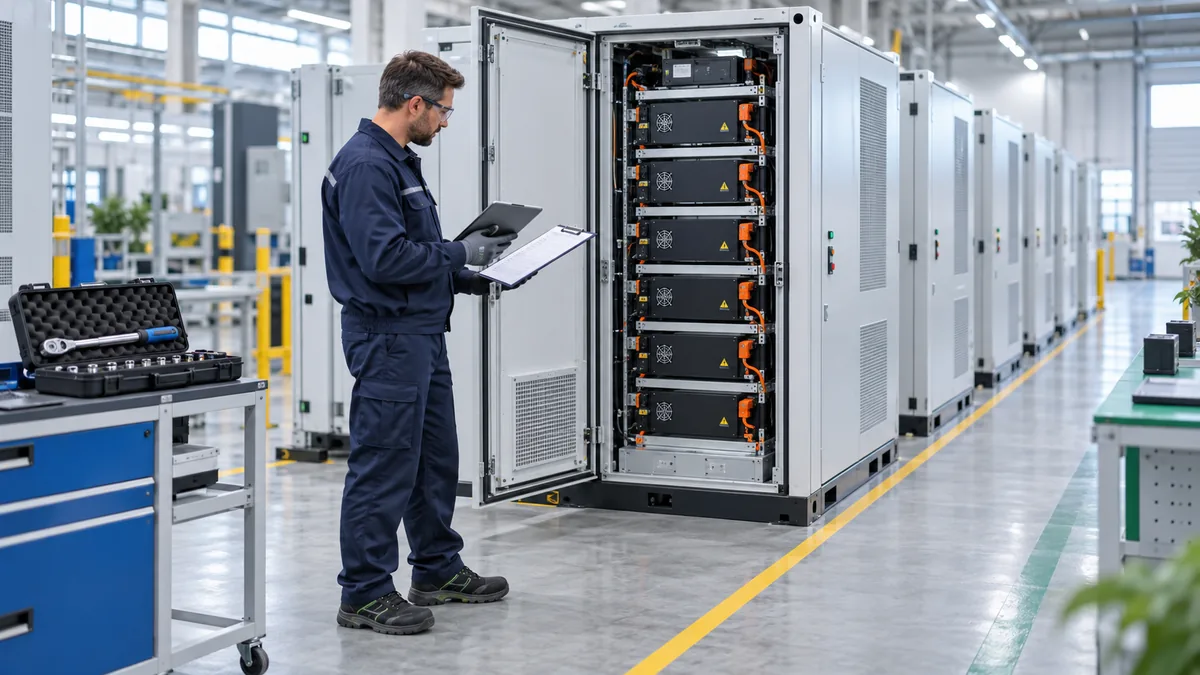
This wasn't just about small gadgets. Larger LiFePO4 Energy Storage Systems (ESS), especially those tied to solar panels, were lifesavers.
Here's a fact most people don't know: most grid-tied solar systems shut down in a blackout. It's a safety rule. But if you have a solar system + battery storage, you create your own private "microgrid."
After Melissa, any clinic or community center with this setup became an oasis of power. They kept refrigerators cold to protect life-saving medicine like insulin. ran water pumps. became reliable command centers for aid—all powered silently by the sun while the grid was dead for weeks.
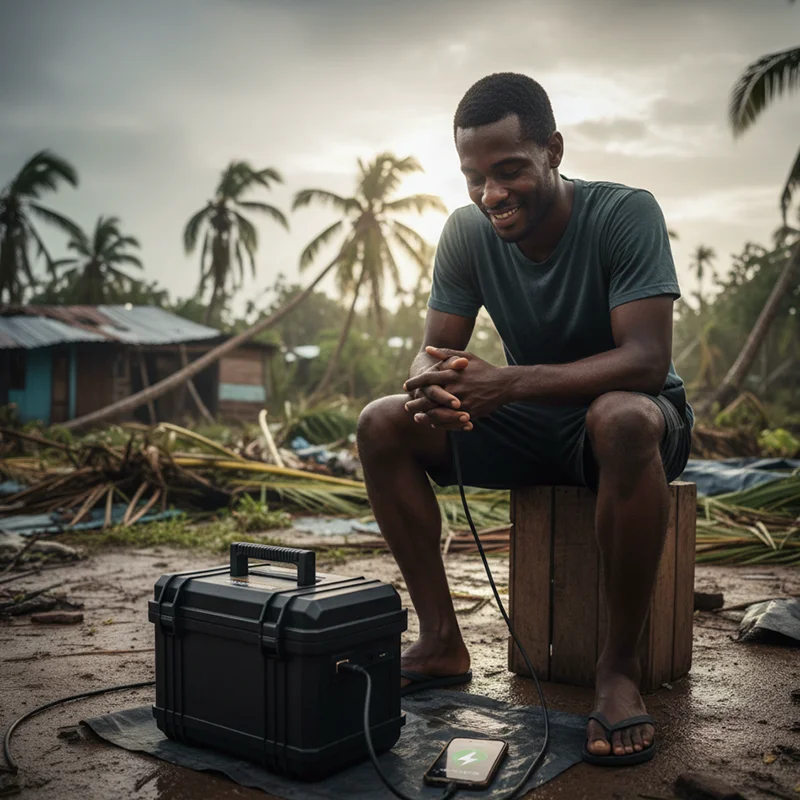
Rebuilding Smarter: Why Energy Storage Batteries Are a Necessity, Not a Luxury
The lesson from Hurricane Melissa is brutal and clear. Rebuilding the exact same fragile grid is pointless. You're just waiting for the next storm to knock it over.
The future of resilience, especially in the "hurricane alley" of the Caribbean, has to be decentralized. This means homes, businesses, and critical infrastructure need their own independent power. Industrial-grade energy storage isn't a luxury item anymore. It's the plan. It’s what lets a hospital or a factory just disconnect from the broken grid and keep running.
Powering Preparedness Hurricane Melissa was a terrible reminder of our vulnerability. But it was also proof of the power of distributed energy. With climate change promising more storms like this, energy storage batteries aren't just for camping. They are basic survival tools. are the foundation of community resilience. are the key to making sure that when the worst happens, the silence doesn't win.
Buyer review update
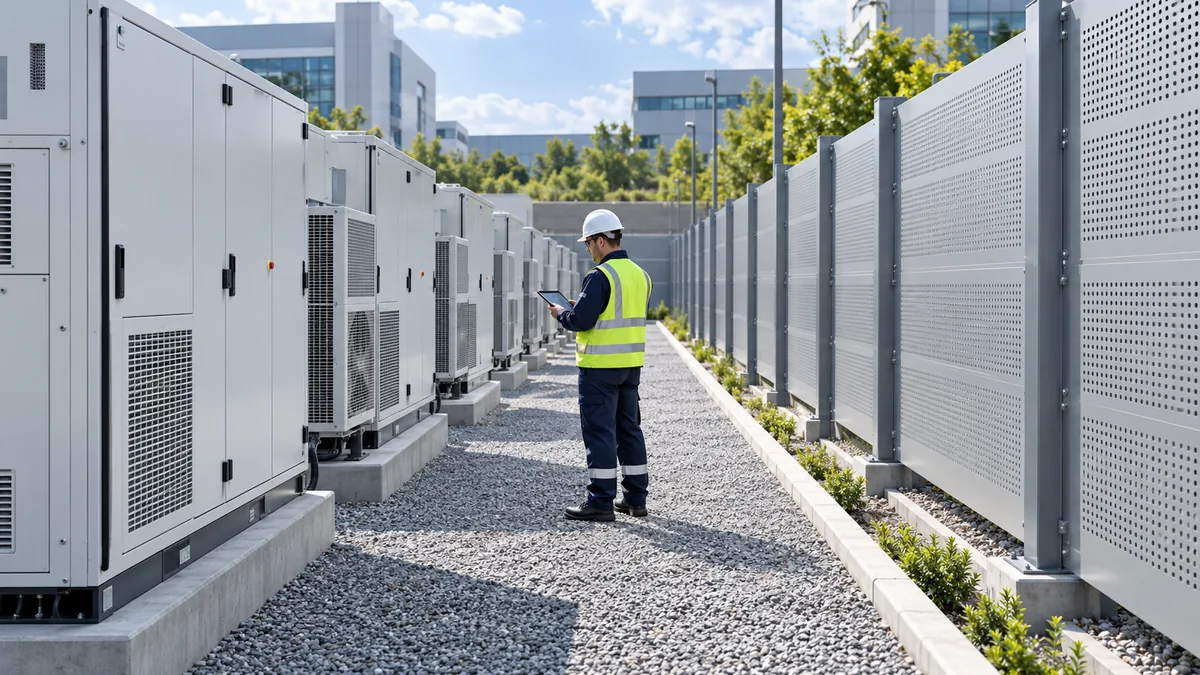
For hurricane-prone facilities, backup storage should be planned around critical services: communications, water pumps, refrigeration, lighting, security, and charging points. Incident-specific claims should always be checked against local official reports; this guide focuses on the procurement and engineering checks that remain useful across storm seasons.
Use this guide together with C&I ESS, Solar Inverter, Solar Panel, and the Buyer Resources hub. For project-specific checks, send the load profile, inverter model, destination market, and backup target through the Contact page.
Related SolarStorageHub checklists: ci ess site survey checklist before battery storage quote and what can a 30kwh lifepo4 battery run. External reference: U.S. National Hurricane Center preparedness guidance.
Procurement checks
- Rank critical loads by safety, communications, water, refrigeration, and site security.
- Estimate backup hours separately for day-one emergency use and longer recovery periods.
- Place batteries and inverters where flood, heat, and service access risks are controlled.
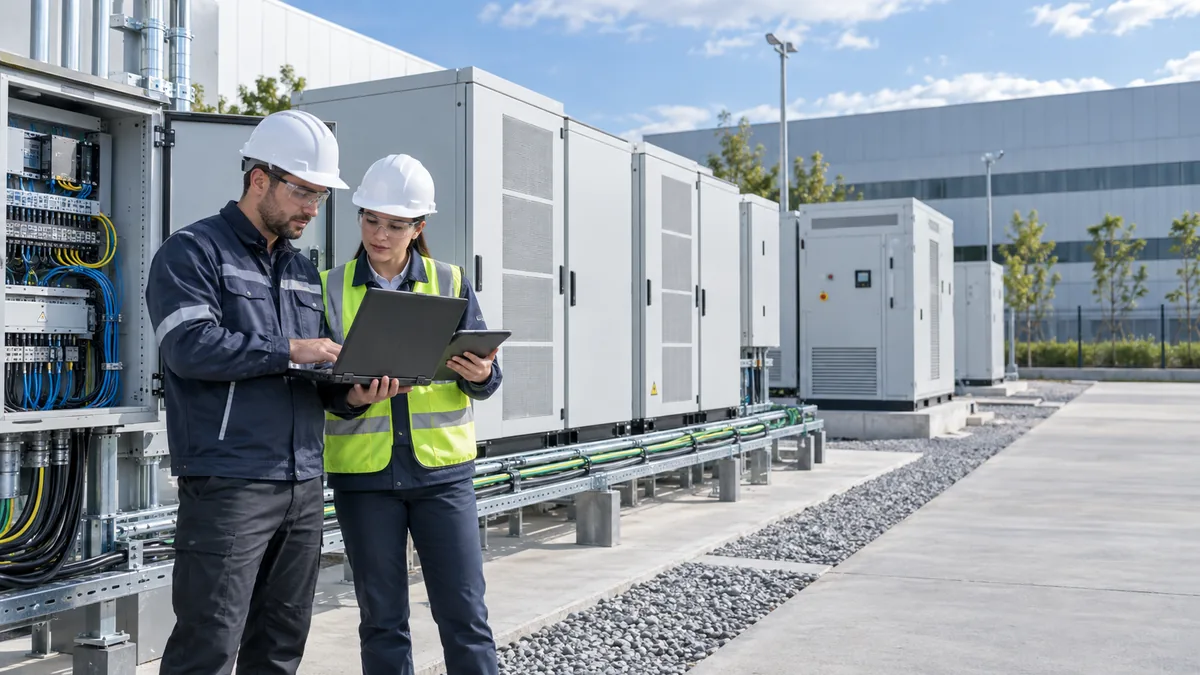
- Record commissioning evidence before storm season, including load tests and emergency shutdown notes.
SolarStorageHub editorial note: This article was refreshed for buyer usefulness with practical checks for load behavior, inverter matching, battery configuration, documentation, installation assumptions, and after-sales support.
FAQ
Can solar plus battery storage replace all emergency power?
Not always. It can support critical loads, but some facilities may still need generator backup, fuel planning, and load management.
What should be prioritized during hurricane backup planning?
Communications, water, refrigeration, lighting, medical or safety loads, and charging points should be separated from non-essential loads.
Why check installation location?
Flood exposure, heat, salt air, and service access can affect battery safety, inverter reliability, and maintenance during recovery.
Related SolarStorageHub Resources
If you are turning this article into a buying decision, compare the relevant product families and send your inverter model, target capacity, installation country, and quantity plan for confirmation.