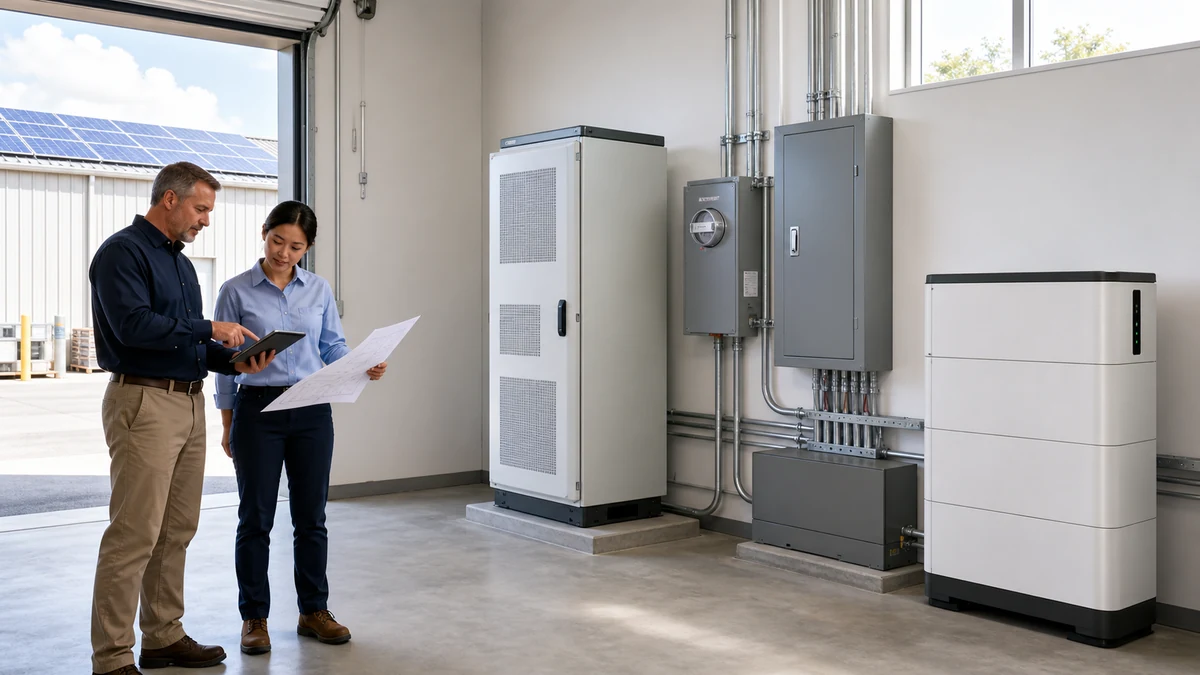

18kW High-Frequency Three-Phase Inverter: Factory and C&I ESS Buyer Checklist
Honestly, I understand you're probably tired of all the industry hype and those frustrating, unpredictable utility bills. We’ve looked at countless inverters over the years, and most of them, frankly, are forgettable. But when we first put the 18kW High-Frequency Three-Phase Inverter through its paces, we knew it was the one that actually delivers. This unit isn’t built for a brochure; it’s built to run your life, seamlessly connecting your solar panels and high-voltage batteries to create a system that truly stands alone. If you run a demanding three-phase load—a workshop, a business, or even a very large, modern home—this is the conversation you need to have.
Forget the Clock, Keep the Lights On
Here is the simple reality of power consumption today: the moment the sun goes down, the utility company starts charging you more. This inverter completely bypasses that problem.
When the sun is out, it takes every ounce of energy from your panels. It feeds your loads, naturally, but the smart part is how it manages the excess. It doesn’t just dump it; it stores it carefully in your high-voltage batteries. Then, when night hits, it seamlessly switches over, and you’re still running on sunshine. You literally stop paying for night-time electricity.
A Note on Design: High-Frequency vs. The Old Way
Why do we emphasize "High-Frequency"? Well, for a long time, the heavier, low-frequency inverters were the standard. They were reliable, but bulky and often less efficient. This modern, high-frequency architecture is a game-changer. It translates into less heat waste, which is a huge deal for component longevity, and a significantly cleaner, faster conversion of power.
It's built for efficiency—we’re talking up to 98.5%. To be frank, that’s almost negligible energy loss. You get maximum value from every solar panel you paid for.
It Just Works, Even Under Pressure
The best system is one you don't have to constantly think about. The 18kW output delivers a true three-phase current, which is essential for motors, pumps, and heavy HVAC units. It handles those sudden start-up surges without a flicker, unlike some lesser units we’ve tested.
We also appreciate its focus on battery health. Your batteries are a significant investment, and this inverter treats them as such. Its control algorithms protect them during charging and discharging, effectively squeezing years of extra life out of your expensive storage bank. That alone saves you a considerable amount down the line.
Who Should Be Looking at This?
If you've read this far, I know you value power consistency and are probably tired of just handing money over to the power company. This system has proven its worth across the board, from demanding large residences to critical commercial operations. What you get is more than just a lower bill; you get a profound sense of genuine control over your own power.
If you want to know more about 18kW High-Frequency Three-Phase Inverter, or if you just want to talk through whether this system is the right choice for your specific situation, don't hesitate to reach out.
Buyer review update
For factory and light-industrial buyers, an 18kW inverter should be checked against real load behavior, not only nameplate power. Motor start, phase balance, battery discharge current, and communication settings can decide whether the system starts cleanly or trips during commissioning.
Use this guide together with Solar Inverter, Solar Inverter, Solar Panel, and the Buyer Resources hub. For project-specific checks, send the load profile, inverter model, destination market, and backup target through the Contact page.
Related SolarStorageHub checklists: can vs rs485 solar battery inverter compatibility and ci battery energy storage commissioning checklist. External reference: NREL PVWatts Calculator.
Procurement checks
- Confirm continuous output, surge rating, and surge duration.
- Check whether the inverter is single-phase or three-phase at the site voltage.
- Match battery voltage range, BMS protocol, and discharge current.
- Record firmware, protection settings, and load-test results during commissioning.
SolarStorageHub editorial note: This article was refreshed for buyer usefulness with practical checks for load behavior, inverter matching, battery configuration, documentation, installation assumptions, and after-sales support.
Related buyer guide: Three-phase inverter buyers should review project load, battery voltage and site electrical limits. Read Power Storage Inverter Checklist: Grid Mode, Battery Protocol and Export.
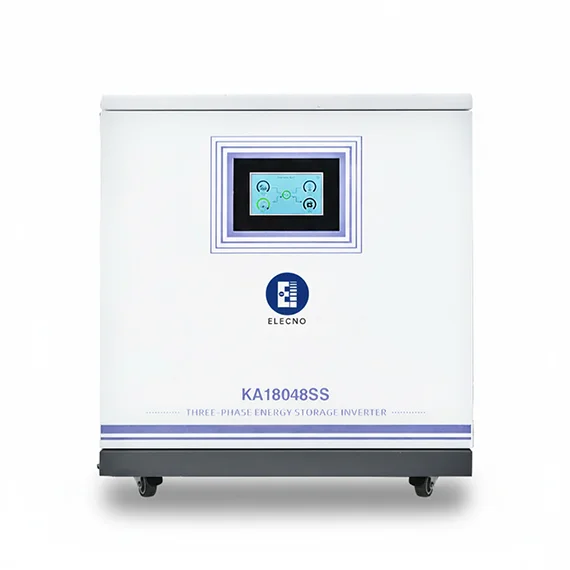
After reviewing the sizing logic, compare the listed 48V battery input, three MPPT inputs, surge limits and communication options on the KA18048SS 18kW three-phase solar inverter product page, then request the order-specific datasheet.
Installation scope should be checked separately from supplier and product review. Use the 18kW three-phase solar inverter installation checklist to verify the SLD, current calculation, breaker coordination, cable sizing, earthing and commissioning evidence before release.
FAQ
Is an 18kW inverter enough for a small factory?
It depends on peak demand, motor starting current, phase balance, and which loads must run during backup. A load table is more useful than a simple kW estimate.
What battery checks matter most?
Confirm voltage range, BMS communication, maximum discharge current, and protection settings before ordering the battery cabinet.
Should the inverter be tested under real load?
Yes. A staged load test helps catch surge, communication, and protection issues before handover.
Related SolarStorageHub Resources
If you are turning this article into a buying decision, compare the relevant product families and send your inverter model, target capacity, installation country, and quantity plan for confirmation.