
40ft BESS Container Checklist: Layout, PCS, HVAC and Site Handover
A 40ft BESS container can make a commercial or industrial storage project easier to ship and install, but it also concentrates many design decisions into one package. Buyers need to confirm layout, battery capacity, PCS sizing, HVAC, fire documents, transformer limits, cable entry, site access, commissioning records and handover evidence before approving the project. A container price alone is not enough to compare suppliers.
This checklist is written for EPC teams, distributors, project owners and OEM buyers comparing containerized battery energy storage systems. It supports the C&I ESS category, Solar Inverter matching, Home Energy Storage planning and the Battery Storage Buyer Resources hub. Use it before requesting a final quotation for a 20ft or 40ft container project.
Define the container job before choosing capacity
A 40ft BESS container may be used for peak shaving, PV self-consumption, microgrid support, backup, EV charging support, grid services or renewable smoothing. Each job changes the required kW/kWh ratio, control logic, cycling profile and site equipment. A project that needs short high-power discharge is different from one that needs long backup runtime. Ask for the load profile, utility tariff, PV size, grid voltage, transformer rating, required runtime and expected daily cycles before comparing container capacity.
The buyer should also define whether the PCS is inside the container, outside the container or supplied as a separate skid. This affects heat, service access, cable route, foundation, fire review and maintenance. If the quote includes only battery racks and HVAC, it should not be compared directly with an all-in-one quote that includes PCS, EMS, fire suppression and commissioning support.
PCS sizing affects the whole project
The PCS rating decides how quickly the container can charge or discharge. It also affects transformer loading, grid connection, overload behavior, reactive power support and protection coordination. Request rated kW, overload capability, DC voltage range, AC voltage, grid phase, frequency, reactive power specification, communication protocol and grid-code assumptions. If the project uses PV, ask how the PCS or EMS coordinates with solar generation and export control.
The U.S. Department of Energy describes energy storage as an important tool for supporting grid flexibility and reliability. Reference: Energy.gov energy storage. For a real project, however, the practical result depends on whether the container, PCS, transformer and control system match the site. Compare the new quote with the C&I ESS PCS sizing checklist before approving the power rating.
40ft BESS container buyer checklist
| Check item | What to request | Why it matters |
|---|---|---|
| Application | Peak shaving, backup, PV storage, microgrid or grid support. | Defines the kW/kWh ratio, cycling profile and EMS logic. |
| Layout | Battery racks, aisle clearance, PCS location, cable tray and service access. | Controls installation, inspection and maintenance safety. |
| PCS scope | Rated kW, overload behavior, AC voltage and transformer interface. | Prevents mismatch between project load, grid connection and storage output. |
| HVAC | Cooling capacity, airflow route, filter access and alarm points. | Protects battery life and reduces thermal derating risk. |
| Fire documents | Detection, suppression, emergency stop and emergency response information. | Supports site approval and owner safety review. |
| Shipping | Container weight, lifting points, transport dimensions and loading plan. | Prevents delays during export, unloading and site placement. |
| Handover | Commissioning checklist, test records, training file and warranty conditions. | Gives the owner proof that the system is ready for operation. |
Layout and service access matter after delivery
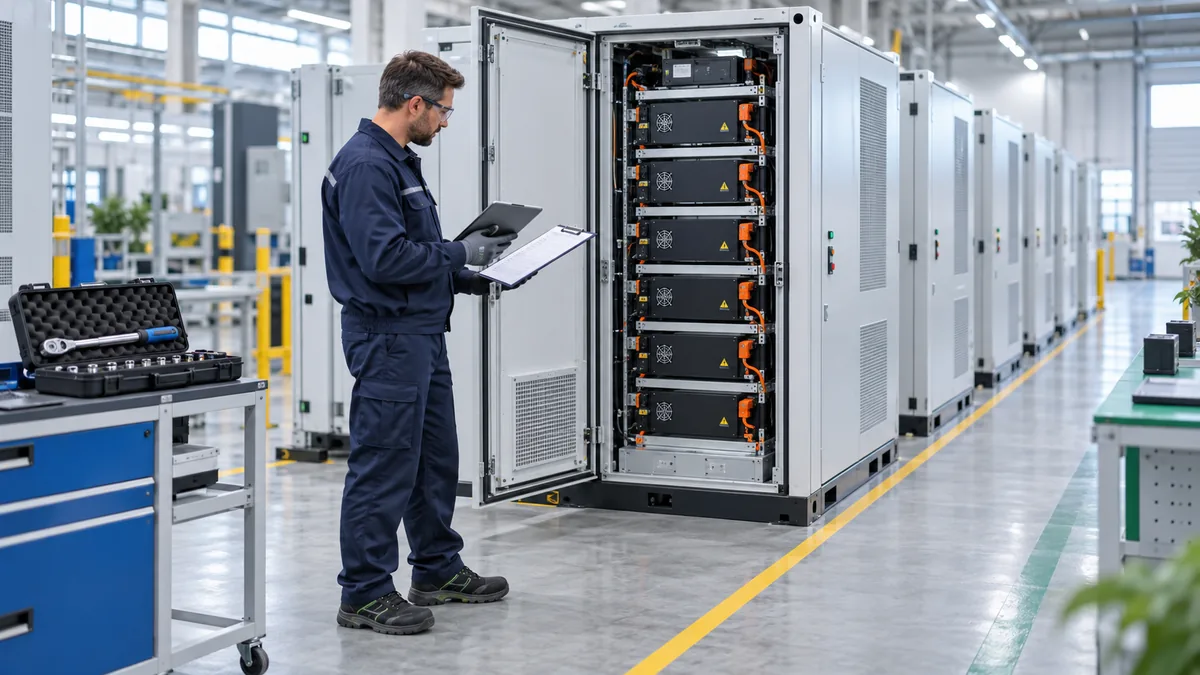
A clean container drawing should show battery racks, front access, rear access, HVAC units, fire system, cable route, emergency stop, lighting, monitoring screen and maintenance clearance. If a technician cannot safely inspect battery modules, terminals, HVAC filters or fire equipment, the layout may create service risk. Ask for plan drawings, internal photos and service-path notes before the container is built.
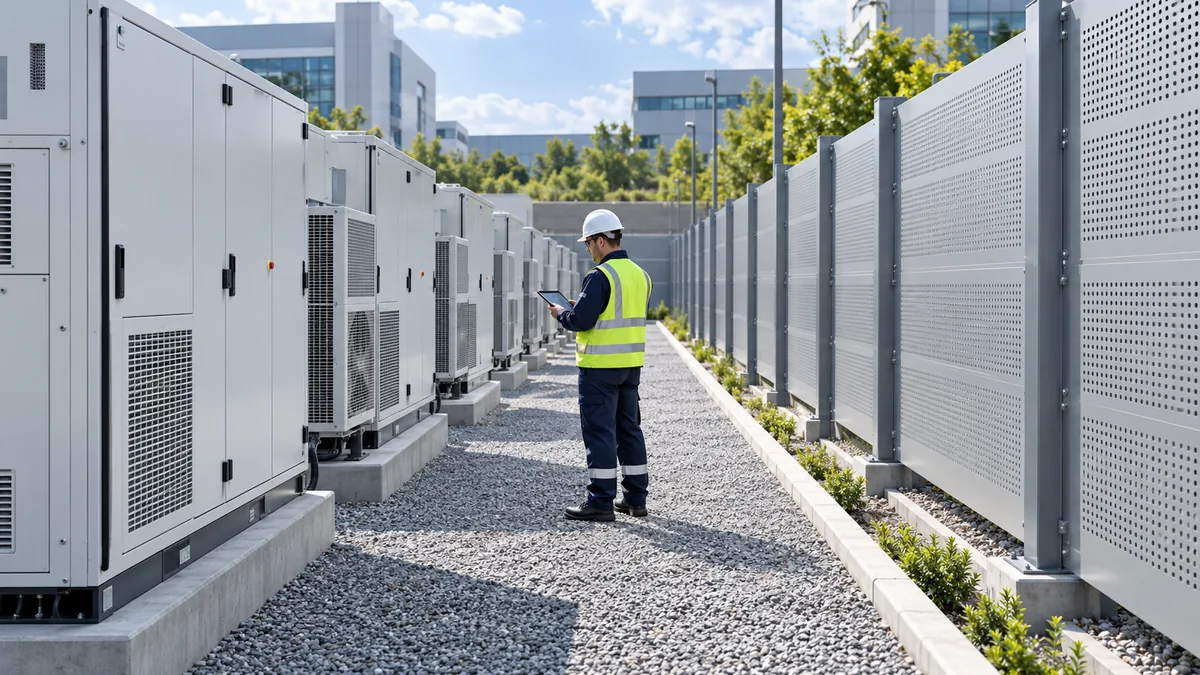
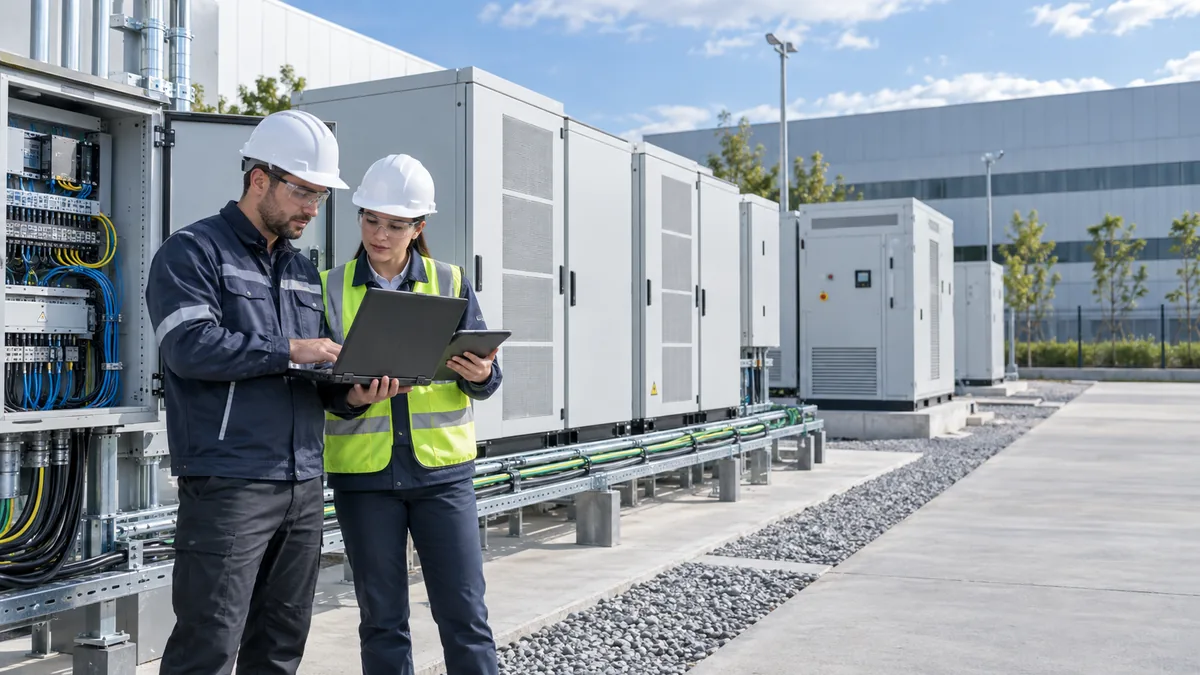
Site access is part of the same decision. The project team should confirm road width, turning radius, crane access, foundation height, drainage, cable trench, grounding, fencing, clearance and local safety requirements. A container that ships correctly can still become expensive if the site cannot unload it or connect cables as planned. Use the C&I ESS site survey checklist to collect this information before final pricing.
HVAC and fire documents should be reviewed together
Battery temperature control and fire safety are connected. Request HVAC cooling capacity, airflow design, sensor location, alarm rules, filter maintenance and expected operating temperature range. Then ask how fire detection, suppression, emergency stop and ventilation behavior are coordinated. The project owner should understand what alarms are local, what alarms are remote and what steps technicians should take after an event.
For project approval, documents matter as much as equipment. Ask for fire-safety description, emergency response information, installation manual, commissioning checklist and maintenance plan. Compare these items with the C&I BESS fire safety document checklist and the outdoor AC energy storage cabinet checklist. The same questions about cooling, enclosure protection and alarms apply at container scale.
Handover should prove the system, not just delivery
Many disputes start after delivery because the buyer has a container on site but no complete evidence file. A strong handover package should include serial numbers, battery module records, PCS settings, EMS settings, fire-system checks, HVAC checks, insulation test, communication test, charge-discharge test, alarm test and user training records. If the project includes remote monitoring, confirm login access, data fields and alarm notification rules.
SolarStorageHub reviews container layout, battery capacity, PCS scope, cooling method, fire documents, site assumptions and handover evidence before quotation. If the project includes PV charging or owner-side solar equipment, compare with the Solar Panel category. For a project review, send load profile, site photos, grid information, transformer data, required kW/kWh, installation country and delivery schedule through the Contact page.
When a 40ft BESS container is the right format
A 40ft container is useful when the project needs larger energy capacity, organized racks, integrated thermal management and a transportable package. It can fit factories, commercial parks, renewable energy sites, EV charging hubs and microgrid projects. It is often easier to scale than small cabinets when the owner needs a clear equipment boundary and repeatable project design.
It is not always the best choice. For smaller projects, an outdoor cabinet may be faster and simpler. For complex utility work, a custom system layout may be needed. If the site has strict access limits, container delivery may be harder than cabinet delivery. The right choice depends on capacity, site access, grid connection, safety approval and long-term service plan.
Related buyer guide: Container projects should connect factory FAT records with site handover evidence. Read C&I ESS Factory Audit Checklist: Manufacturing, FAT and Warranty.
Related buyer guide: Container buyers should review layout, PCS, HVAC and site handover before approving a 40ft BESS system. Read 20ft Energy Storage Container Checklist: 40ft BESS Layout and HVAC.
After checking rack layout, PCS location, HVAC, fire equipment, cable routing and service access, compare the project with the 20ft and 40ft containerized BESS product family and request the exact general arrangement drawing.
FAQ
What is a 40ft BESS container?
It is a containerized battery energy storage system packaged in a 40ft container format, usually including battery racks and supporting equipment.
Does a BESS container always include PCS?
No. Some quotes include PCS and EMS, while others include only battery racks, BMS, HVAC and fire equipment. Always request a scope table.
What site data is needed before quotation?
Send load profile, target kW and kWh, grid voltage, transformer rating, PV size, site photos, access route, foundation plan and installation country.
Why is HVAC important in a container?
HVAC controls battery temperature, reduces derating risk and supports battery life during repeated charge and discharge cycles.
What fire documents should be requested?
Request detection and suppression description, emergency stop details, alarm logic, emergency response notes, installation manual and test evidence.
What should be included in site handover?
Include commissioning records, battery and PCS settings, HVAC checks, fire-system checks, communication test, alarm test, training file and warranty terms.
When should SolarStorageHub review the container design?
Before final quotation, especially when the container must match existing PV, transformer limits, grid requirements or site approval documents.
Related SolarStorageHub Resources
If you are turning this article into a buying decision, compare the relevant product families and send your inverter model, target capacity, installation country, and quantity plan for confirmation.