
20ft vs 40ft BESS Container: Capacity, Layout, Shipping and Commissioning Checklist
Procurement note: A 20ft or 40ft BESS container is not just a larger battery box. The decision affects usable kWh, PCS power, HVAC design, fire-safety documentation, foundation work, crane access, shipping method, commissioning time and long-term service access.
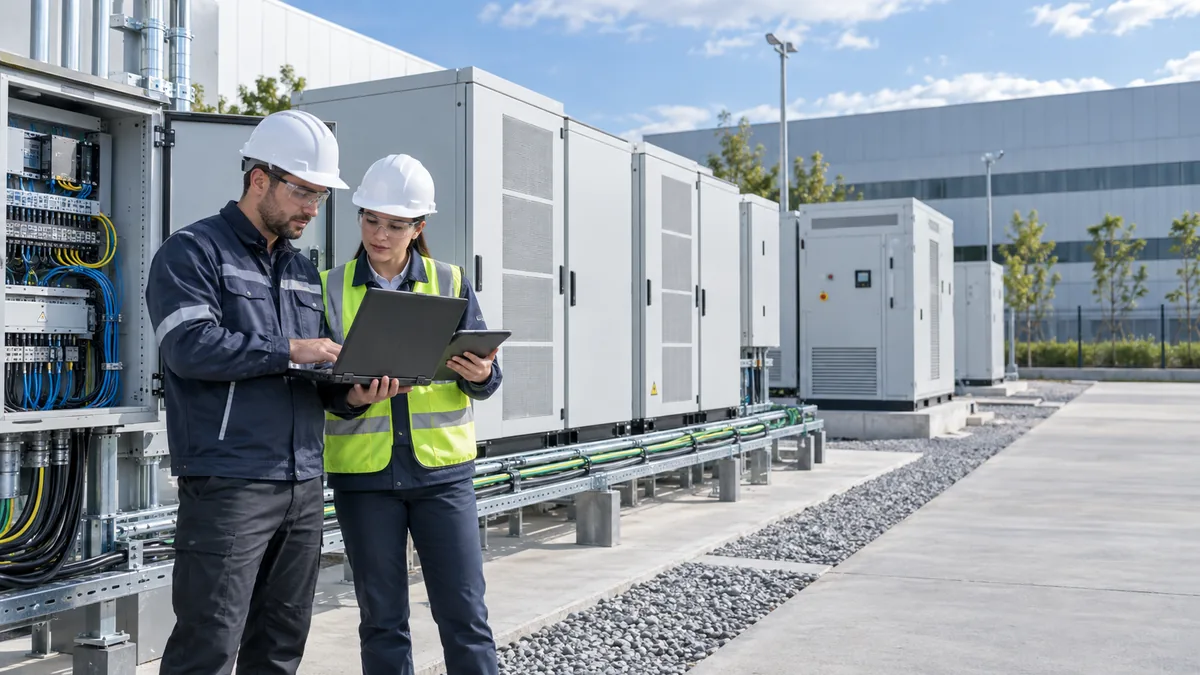
This checklist is written for EPC teams, industrial site owners, distributors and project developers comparing a 20ft and 40ft containerized battery energy storage system with other C&I ESS options. It also connects container selection with Solar Inverter, Solar Panel, and larger Home Energy Storage projects where system architecture, grid connection and backup behavior must be checked together. For a wider buying path, use the Battery Storage Buyer Resources hub or send project data through Contact.
Start with project duty, not container length
The right container size depends on the job the system must perform. A peak-shaving project may need high power for short periods. A solar-shifting project may need more energy capacity and a slower daily cycle. Backup for a factory may require restart behavior, black-start logic and critical-load separation. A grid-service project may place more emphasis on response time, communication, metering and dispatch control.
Before comparing a 20ft vs 40ft BESS container, write down target kW, target kWh, expected cycles per day, reserve margin, ambient temperature, site altitude, grid voltage, transformer capacity, installation country, safety requirements and the operating strategy. If these inputs are missing, suppliers may quote a container that looks attractive on price but fails the real duty.
20ft vs 40ft BESS container comparison
| Decision point | 20ft container | 40ft container | Buyer check |
|---|---|---|---|
| Project fit | Useful for smaller sites, limited space or phased deployment. | Useful for larger energy capacity and fewer installed units. | Confirm kW, kWh and expansion plan before selecting size. |
| Energy density | Can be easier to place but may have tighter service space. | Can hold more battery racks and auxiliary systems. | Ask for usable kWh after thermal, reserve and degradation assumptions. |
| PCS layout | PCS may be external or integrated depending on design. | May allow more integrated auxiliary room and cable organization. | Review PCS rating, overload, transformer and AC protection. |
| Cooling | Airflow and service access can be more constrained. | More space may support larger HVAC or liquid-cooling layouts. | Request temperature uniformity and derating assumptions. |
| Site work | Usually lighter and easier to position. | Requires more space, stronger planning and larger handling equipment. | Check foundation, drainage, crane access and turning radius. |
| Shipping | May simplify logistics for smaller batch orders. | Can reduce per-kWh logistics cost if fully utilized. | Verify battery shipping status, packaging and local transport limits. |
| Maintenance | May need careful aisle and door-access planning. | May provide better service separation if designed well. | Confirm filter, HVAC, rack, fire-system and cable access. |
Define usable capacity and reserve margin
Nameplate capacity is not the same as usable project capacity. Buyers should ask how the supplier calculates usable kWh after state-of-charge window, battery management limits, temperature, aging, auxiliary consumption and warranty assumptions. A 40ft container with a high advertised kWh figure is not automatically better if the usable operating window is narrow or if cooling derates output during hot weather.
For load-shifting and peak-shaving projects, ask for the expected daily energy throughput and cycle window. For backup projects, define the minimum reserve the system must keep available. If the battery will support solar charging, compare the expected PV production, battery charge power and dispatch schedule. The C&I ESS Peak Shaving Data Checklist can help buyers prepare demand-charge and dispatch inputs before quotation.
Match PCS power and transformer limits
Container size should not be selected independently from PCS power. A container may have enough energy capacity but insufficient power for the load profile, or the PCS may be oversized for the site transformer and grid agreement. Buyers should confirm continuous kW, overload behavior, reactive power, AC voltage, short-circuit protection, transformer rating and the control mode used by the EMS.
Ask whether the PCS is inside the container, in a separate cabinet or supplied as a skid. Each layout affects cable length, thermal management, service access and commissioning. The C&I ESS PCS Sizing Checklist covers these checks in more detail.
Check cooling and derating assumptions
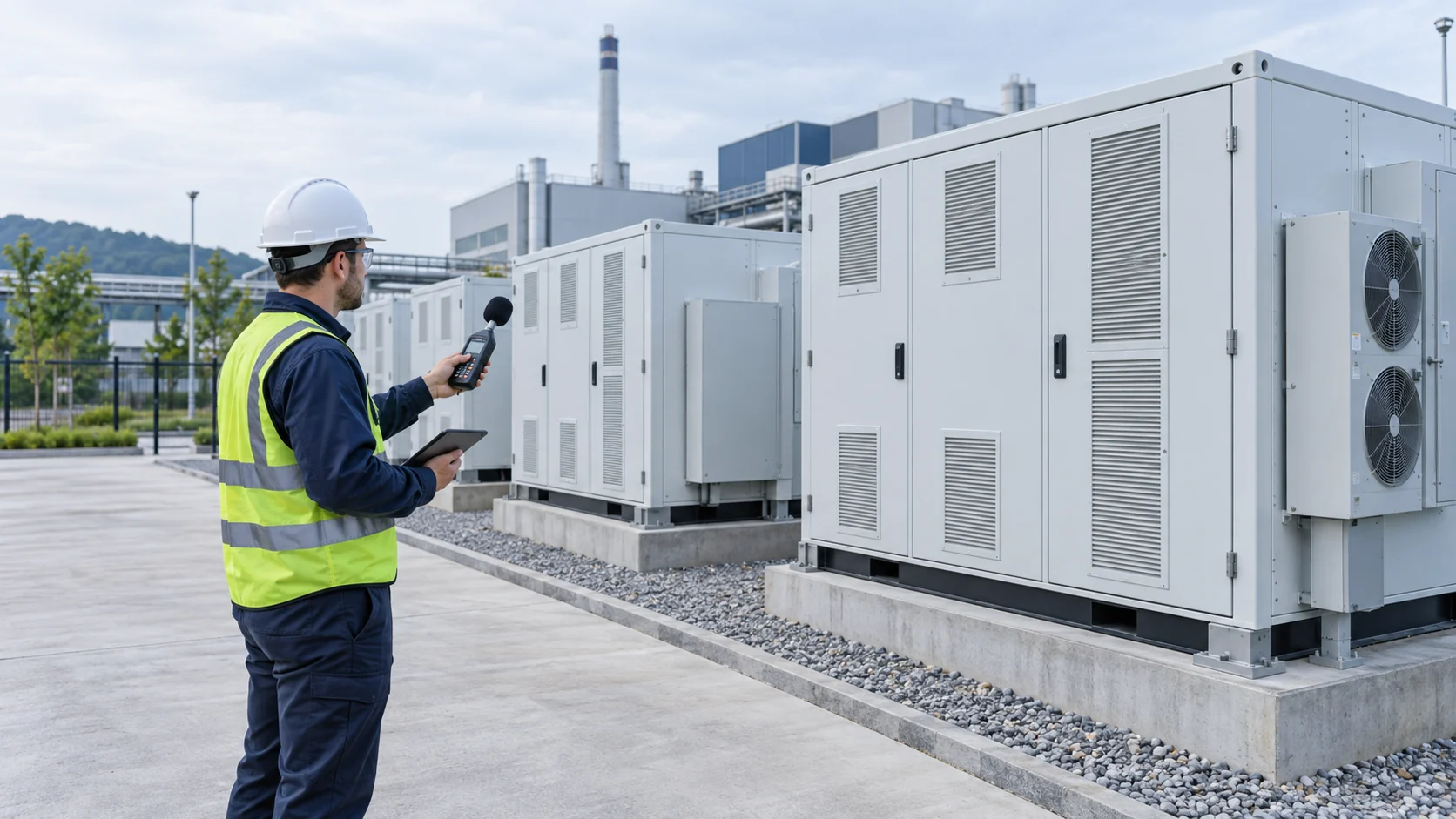
Thermal design is one of the main differences between container quotations. Request the operating ambient range, cooling method, airflow path or liquid-cooling loop, temperature uniformity, humidity control, filter access, HVAC redundancy and expected auxiliary load. Ask how the system behaves during high temperature, HVAC fault, door opening, communication loss and maintenance mode.
The answer should be practical, not only a datasheet line. A site in a hot, dusty or coastal environment may require different filter intervals, corrosion protection and cabinet sealing. If the supplier proposes air cooling or liquid cooling, compare the service requirements and risk points using the Air Cooling vs Liquid Cooling C&I LiFePO4 Battery Storage guide.
Request fire-safety documents before final quotation
Containerized energy storage requires more than a certificate logo. Buyers should request model-specific test evidence, detection design, ventilation description, suppression design basis where applicable, emergency response information, cause-and-effect matrix and commissioning test procedure. If a quotation changes battery rack quantity, enclosure design, HVAC or suppression method, confirm whether existing test evidence still applies.
Useful external reference points include the UL Solutions energy storage system testing and certification page and the NFPA 855 standard development page. These references help buyers understand the document categories, but final project approval depends on the local authority, insurer and responsible engineers.
Plan foundation, drainage and access early
A container quotation should include site assumptions. Check soil or slab requirements, anchor points, drainage, flood risk, cable trench position, earthing, lightning protection, vehicle access, crane lifting position, door swing, maintenance clearance and emergency access. A 20ft container may fit where a 40ft unit cannot turn or be lifted safely. A 40ft unit may reduce the number of electrical interconnections if the site can handle the larger footprint.
The C&I ESS Site Survey Checklist is a practical way to collect photos, drawings, electrical data and access information before the supplier prepares a firm quotation. Good site data reduces late changes, freight delays and commissioning disputes.
Review shipping, customs and unloading responsibilities
Battery containers require careful logistics planning. Confirm Incoterms, battery shipping documents, dangerous-goods classification, packaging state, battery state of charge for shipment, container weight, lifting points, unloading method, local road limitations and customs documents. Ask whether the container ships with battery racks installed or whether part of the system is installed locally after arrival.
Buyers should also define who supplies the crane, who checks the foundation before unloading, who signs delivery acceptance and what happens if visible damage is found. The acceptance record should include photos, packaging condition, nameplate, serial numbers and any shock or tilt indicators if provided.
Turn commissioning into evidence
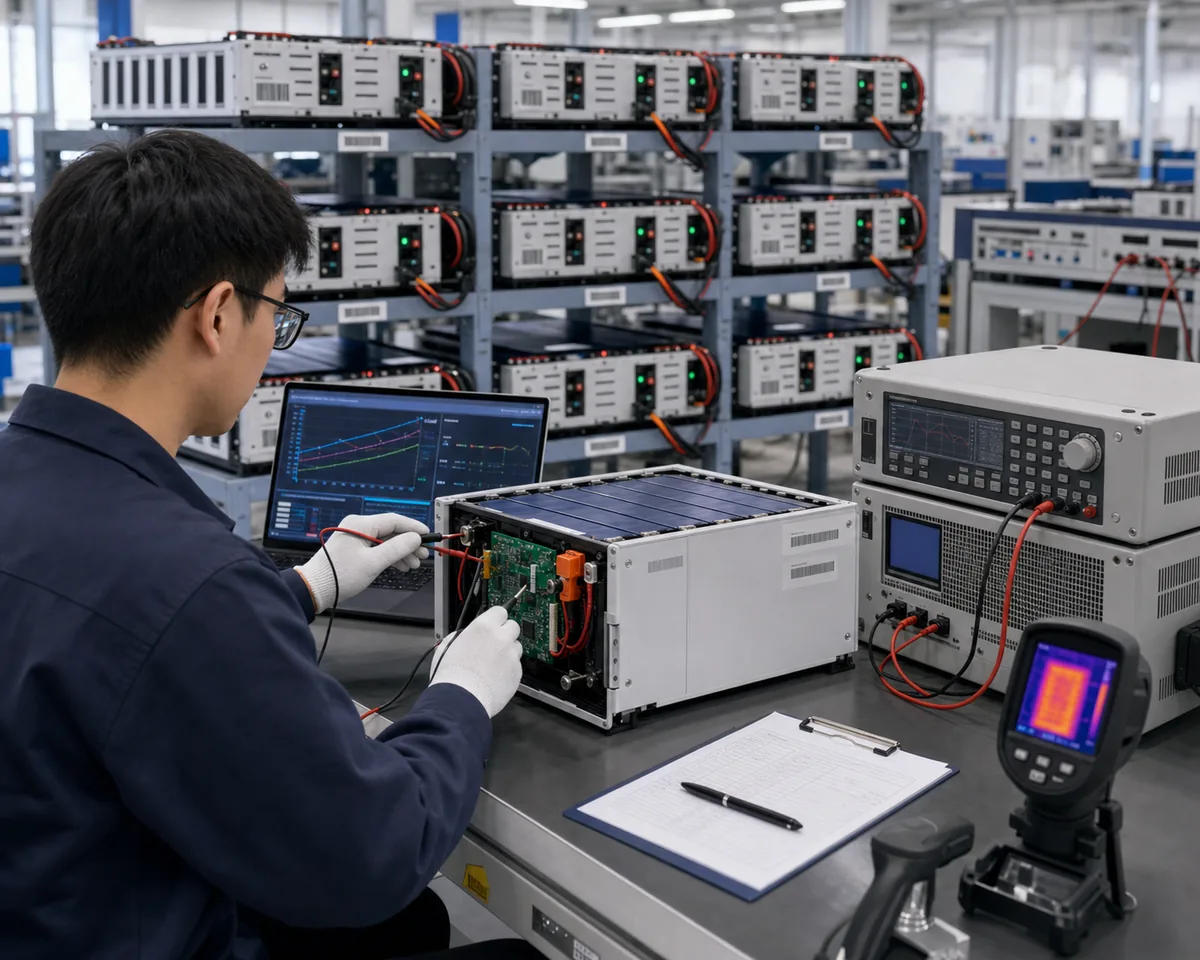
Commissioning should verify the complete system, not only power-on status. Test battery rack communication, BMS alarms, PCS operation, EMS dispatch, grid protection, metering, emergency stop, HVAC, fire-safety interfaces, remote monitoring and data export. Record screenshots, timestamps, settings files, photos, signed checklists and open issues.
For containerized projects, it is especially important to document container-level alarms and site-level responses. The C&I Battery Energy Storage Commissioning Checklist explains how to organize these records before handover and warranty start.
What to send SolarStorageHub for a container quote
Prepare the installation country, target kW and kWh, expected operating mode, grid voltage, transformer capacity, daily cycle target, ambient temperature, site photos, available footprint, crane access, safety requirements, communication protocol, preferred PCS layout and delivery schedule. If solar charging is part of the project, include PV size, inverter plan and export-control requirements.
SolarStorageHub can review whether a 20ft or 40ft BESS container is a better starting point and help organize a quotation package for buyer review. Final engineering, permitting and authority approval should be handled by the responsible local team. Send the project package through Contact.
Related buyer guide: Containerized BESS buyers should verify whether the manufacturer can support 20ft and 40ft project layouts. Read C&I ESS Manufacturer Checklist: Factory Evidence, Documents and Warranty.
Related buyer guide: Buyers should compare outdoor cabinet cost with containerized BESS when capacity grows. Read Outdoor Cabinet Energy Storage System Cost Checklist.
Related buyer guide: Container size should be compared with layout, shipping and commissioning requirements. Read 40ft BESS Container Checklist: Layout, PCS, HVAC and Site Handover.
Related buyer guide: 20ft and 40ft container decisions should include transport, layout and commissioning evidence. Read 20ft Energy Storage Container Checklist: 40ft BESS Layout and HVAC.
FAQ
Is a 40ft BESS container always cheaper per kWh?
Not always. A 40ft container can reduce some per-kWh costs when fully utilized, but site work, handling, cooling, fire safety and grid connection may change the final project cost.
When is a 20ft BESS container a better choice?
It can be better for smaller sites, limited access, phased deployment, lower energy capacity or projects where a larger container creates foundation or unloading difficulty.
Should PCS power be inside the container?
It depends on thermal design, service access, protection layout and project preference. Buyers should compare integrated and external PCS layouts before ordering.
What capacity should be used for financial modeling?
Use usable capacity under the agreed state-of-charge window, thermal limits, degradation assumptions and auxiliary consumption, not only nameplate kWh.
What documents are needed before shipment?
Request final datasheets, drawings, test evidence, shipping documents, packing list, serial numbers, commissioning plan, safety documents and spare-parts information.
Can a containerized BESS be installed without a site survey?
It is risky. The site survey confirms footprint, access, foundation, electrical connection, environmental conditions and local safety requirements.
How should the container be accepted after delivery?
Record packaging condition, visible damage, nameplate, serial numbers, accessories, documents and any shock or tilt indicators before signing final acceptance.
Related SolarStorageHub Resources
If you are turning this article into a buying decision, compare the relevant product families and send your inverter model, target capacity, installation country, and quantity plan for confirmation.