
Outdoor Cabinet Energy Storage System Cost Checklist
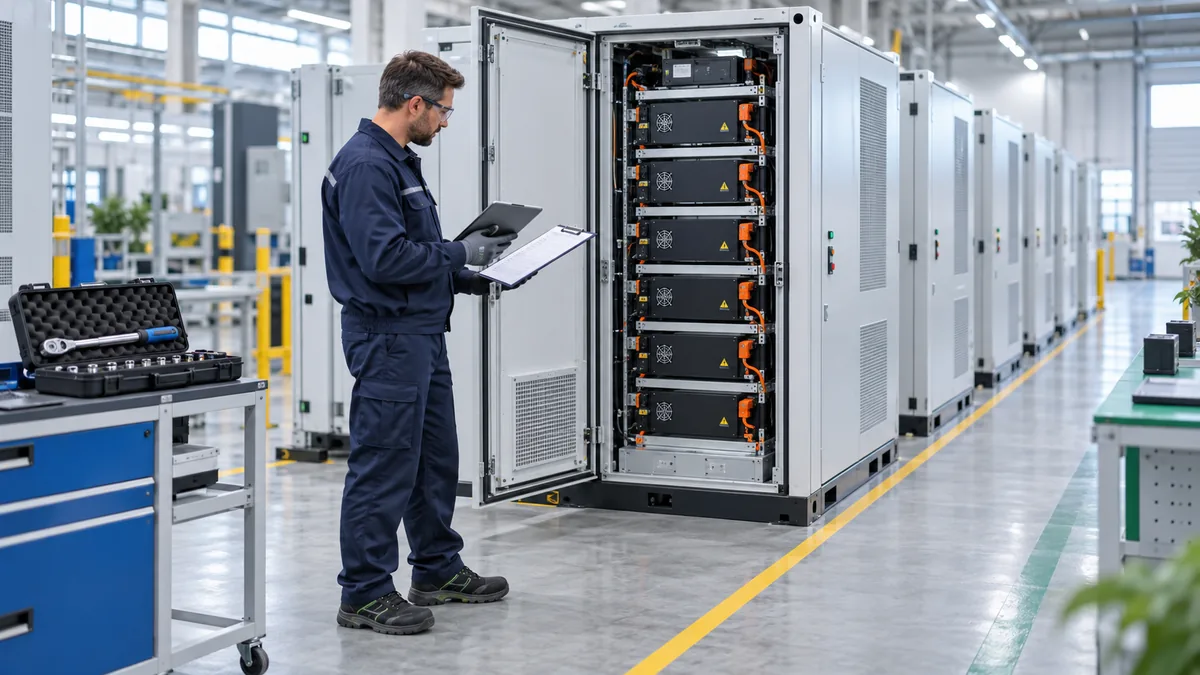
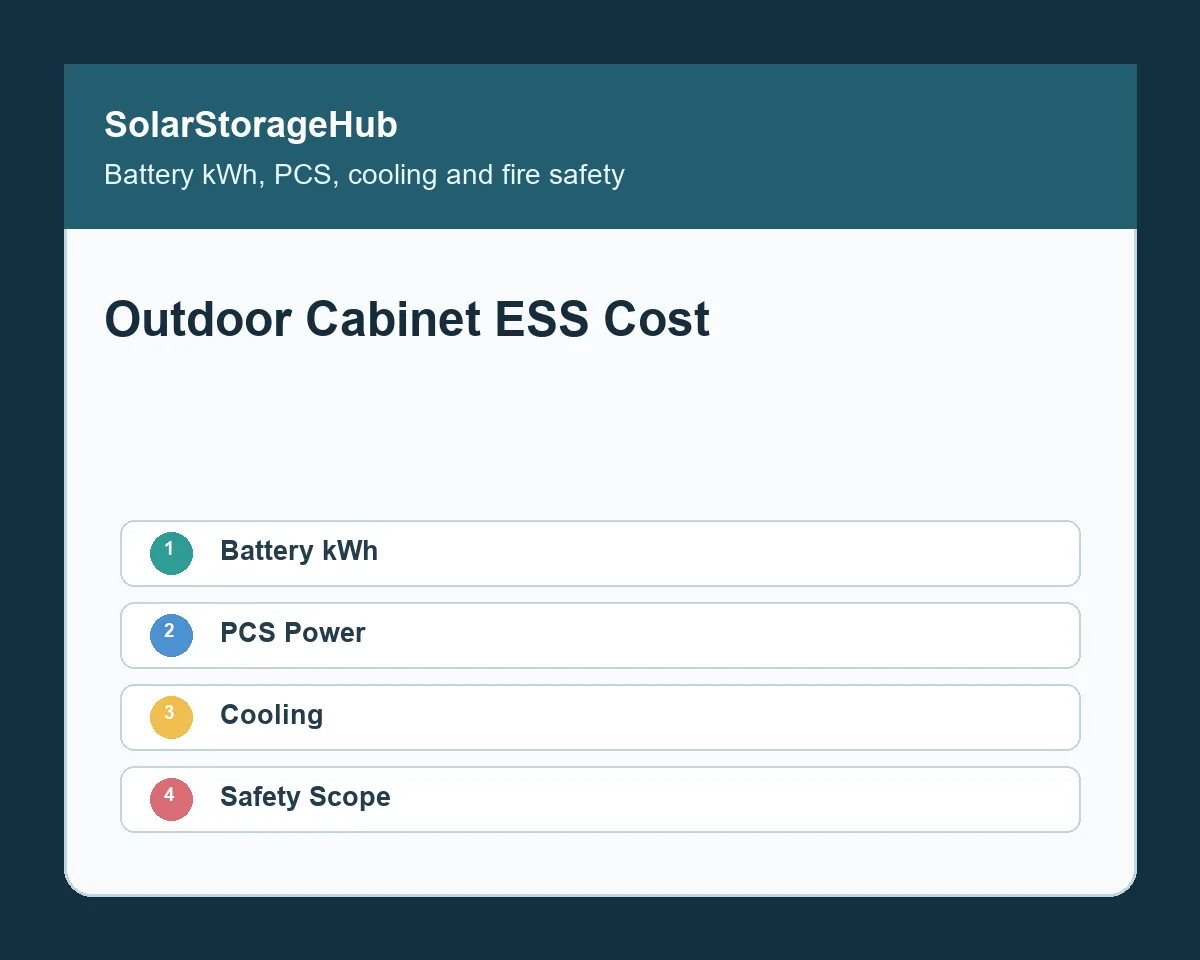
Cost note: Outdoor cabinet energy storage system cost is not determined by battery kWh alone. A realistic quote should include PCS power, cooling method, fire-safety scope, EMS function, enclosure rating, installation accessories, shipping documents, commissioning support and warranty rules.
This checklist is written for EPC teams, distributors, facility owners and commercial buyers comparing an all-in-one outdoor battery storage cabinet with broader C&I ESS, containerized BESS, Solar Inverter, Solar Panel, and larger Home Energy Storage projects. Use the Battery Storage Buyer Resources hub or send project data through Contact.
Why cabinet cost varies so much
Two cabinets with the same battery capacity can have very different project cost. One quote may include integrated PCS, HVAC, fire detection, EMS, AC distribution, remote monitoring and commissioning support. Another quote may include only a battery cabinet and leave PCS, transformer, protection, installation and communication work outside the scope.
Buyers should compare total project scope, not only the cabinet line item. A cheaper cabinet can become more expensive if it requires extra site cabinets, unclear drawings, late safety additions, special transport, or local engineering work that was not included in the original quote.
Outdoor cabinet ESS cost checklist
| Cost driver | What affects cost | Buyer question |
|---|---|---|
| Battery kWh | Cell type, usable capacity, rack design, BMS and expansion design. | Is the quoted kWh nominal or usable under warranty rules? |
| PCS power | Integrated or external PCS, continuous kW, overload and reactive power. | Does the PCS match the load profile and transformer? |
| Cooling | Air cooling, liquid cooling, HVAC size, filters and ambient rating. | Will the cabinet derate in local temperature and dust conditions? |
| Fire safety | Detection, ventilation, suppression interface, emergency stop and documents. | What safety documents are included for local review? |
| EMS | Metering, dispatch logic, remote monitoring, data export and user roles. | Can the EMS operate the business case, not only display SOC? |
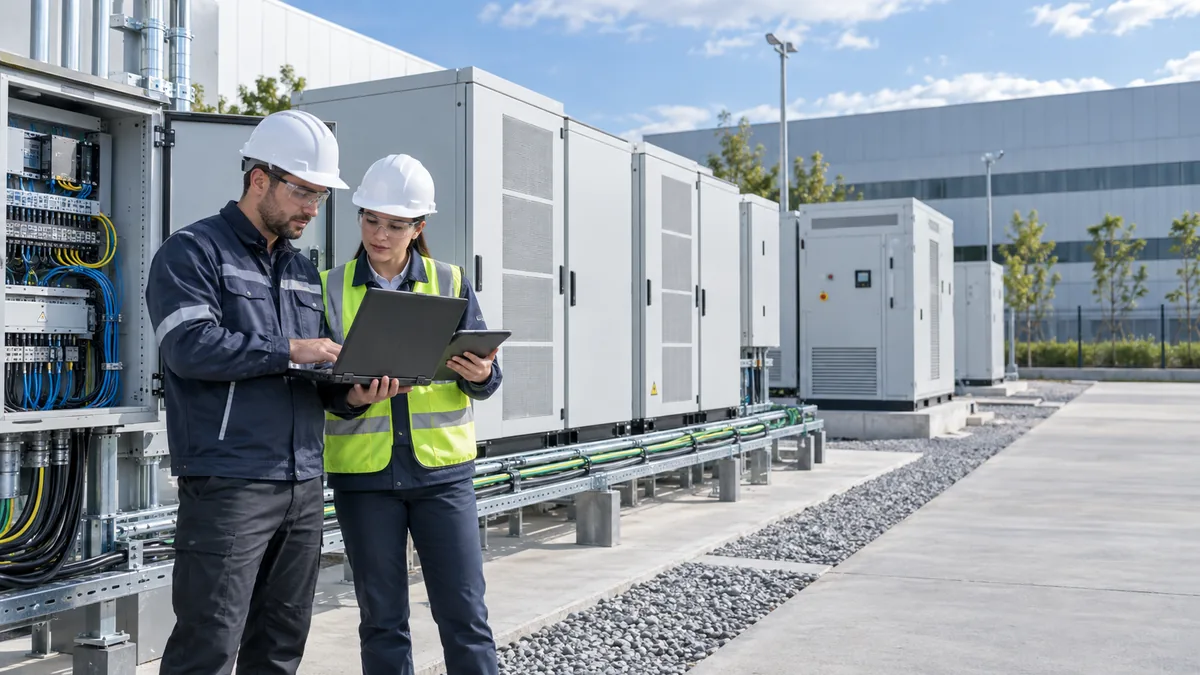
| Installation | Foundation, cable route, AC protection, earthing, crane or forklift access. | Which site works are excluded from the cabinet price? |
| Shipping | Packaging, battery SOC for transport, dangerous-goods documents and unloading. | Who owns freight risk and delivery acceptance? |
Separate battery cost from PCS cost
Battery kWh and PCS kW are related but not the same. A project for peak shaving may need higher PCS power for short discharge periods. A solar-shifting project may need more battery energy and moderate PCS power. A backup project may require surge support, transfer logic and critical-load separation.
Ask the supplier to state whether the PCS is integrated in the cabinet, supplied separately or excluded. Check continuous kW, overload capability, AC voltage, transformer interface, protection device and communication protocol. The C&I ESS PCS Sizing Checklist gives a practical way to compare PCS assumptions before purchase.
Review cooling and environment assumptions
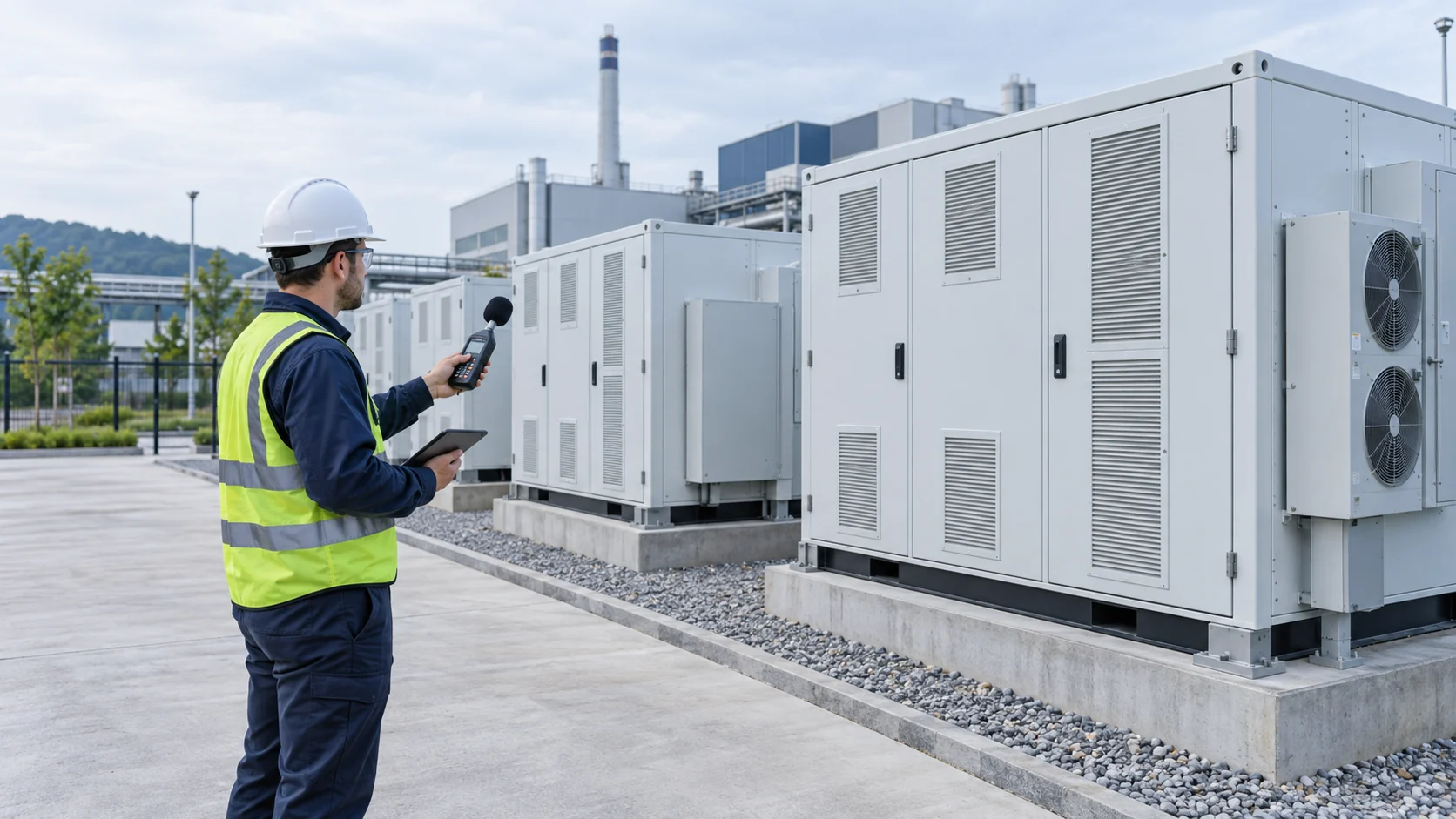
Outdoor cabinets face heat, cold, rain, dust, insects, corrosion and direct sunlight. Cooling design affects both cost and long-term reliability. Ask for ambient temperature range, derating curve, HVAC power, airflow path, filter interval, condensation control and enclosure protection level. A low-cost cooling design may reduce usable power during hot periods.
For coastal, desert, high-altitude or dusty sites, ask whether the enclosure, coating, filter system and maintenance schedule change. The cost of a better cooling and enclosure package can be justified if it reduces downtime, warranty disputes and early component aging.
Include fire-safety scope before comparing quotes
Fire-safety scope can change cost and approval risk. Buyers should request detection design, emergency stop, alarm outputs, ventilation description, suppression design basis where applicable, and product-specific test evidence. If the quote only says “fire protection included” without details, the buyer should ask for a clearer package.
Official references such as the UL Solutions energy storage system testing and certification page and the NFPA 855 standard development page can help buyers understand safety-document categories. The C&I BESS Fire Safety Checklist explains what to request from the supplier.
Check EMS cost against the business case
An EMS can be simple monitoring or a project-control system. For peak shaving, it needs reliable load metering, tariff logic and dispatch settings. For solar plus storage, it may need PV production data, export-control logic and battery scheduling. For backup, it needs clear alarm handling and operating mode transitions.
Ask whether remote monitoring is included, whether cloud fees apply, how data can be exported, and what user roles are supported. A cabinet with weak EMS capability may require extra site controllers or manual operation, which changes project cost after installation.
Do not ignore installation and shipping cost
Outdoor cabinet projects need foundation planning, cable trenches, AC protection, earthing, drainage, equipment handling and access clearance. Shipping cost depends on cabinet weight, dimensions, packaging, battery transport documents, destination country and unloading responsibilities. These items should be visible before the purchase order.
The C&I ESS Site Survey Checklist helps collect photos, drawings, grid information and access details before quotation. If capacity grows beyond cabinet scale, compare the project with the 20ft vs 40ft BESS Container Checklist.
Ask manufacturer questions before negotiating price
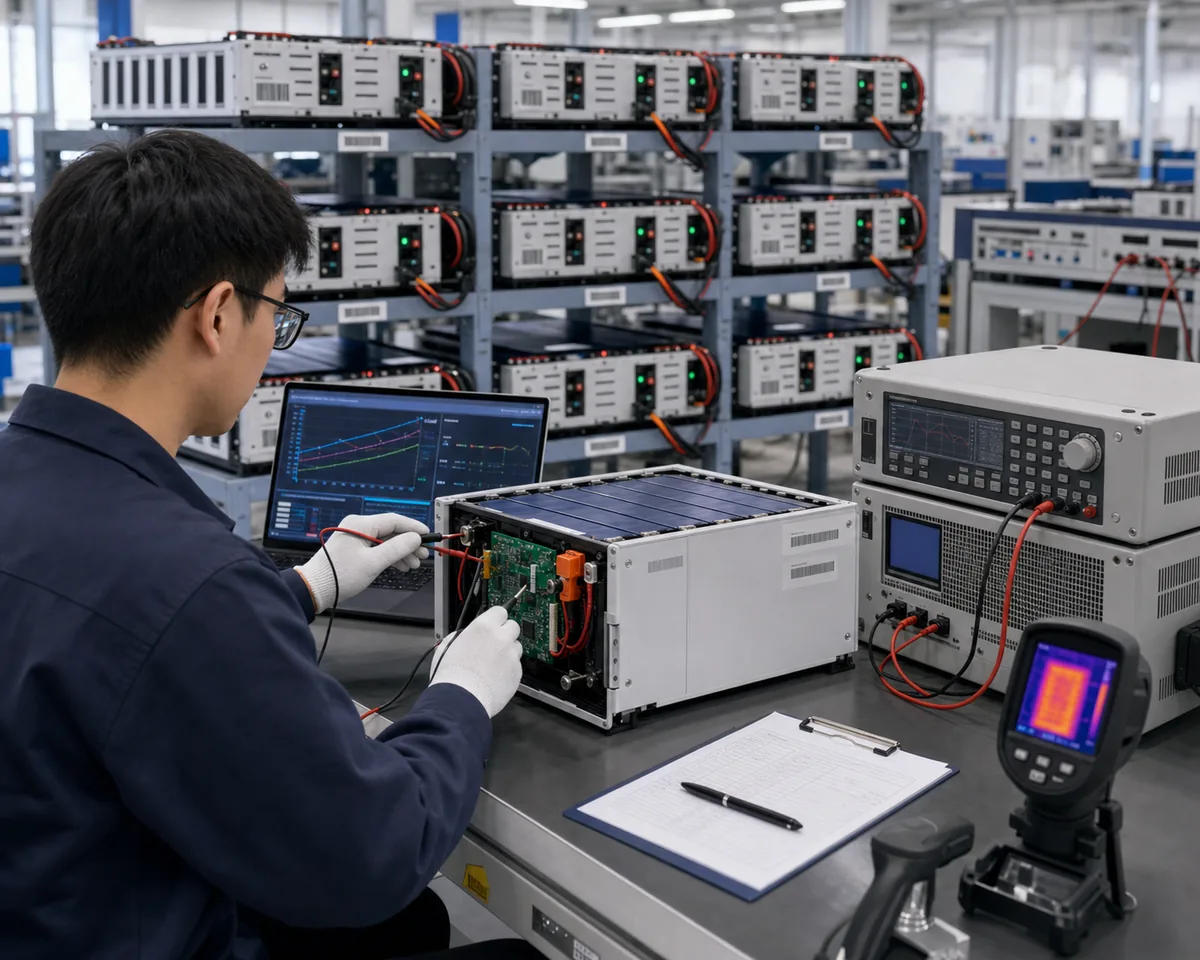
Before pushing for a lower price, confirm what the manufacturer actually controls: cabinet design, battery rack assembly, BMS firmware, PCS integration, EMS setup, test records, shipping documents and warranty response. A supplier that cannot explain these responsibilities may transfer cost and risk to the buyer later.
The C&I ESS Manufacturer Checklist can help buyers compare factory evidence and project support before accepting an outdoor cabinet quotation.
What to send for an outdoor cabinet quote
Prepare installation country, target kWh, target kW, load profile, PV size, grid voltage, transformer capacity, site photos, available footprint, ambient temperature, backup requirement, communication requirement, safety requirement, shipping destination and delivery schedule. State whether the quote should include PCS, EMS, fire-safety package, commissioning and spare parts.
SolarStorageHub can help organize an outdoor cabinet energy storage system cost comparison and identify missing scope before a formal quote. Send your project package through Contact.
Related buyer guide: Outdoor cabinet cost should be checked together with cooling method, PCS scope and site evidence. Read Outdoor AC Energy Storage Cabinet Checklist: Cooling, IP Rating and PCS.
Related buyer guide: Cabinet cost should be checked together with kWh, PCS, cooling, fire documents and commissioning scope. Read Outdoor ESS Cabinet Manufacturer Checklist: Cost, Cooling and Evidence.
Related buyer guide: Cabinet cost should include HVAC, fire system, PCS scope and commissioning evidence. Read Outdoor AC Energy Storage Cabinet: Temperature and Maintenance Checklist.
FAQ
What affects outdoor cabinet energy storage system cost most?
Major drivers include battery kWh, PCS kW, cooling design, fire-safety scope, EMS function, enclosure rating, installation scope, shipping and warranty terms.
Is price per kWh enough to compare cabinets?
No. Price per kWh can hide PCS, EMS, safety, cooling, installation and shipping differences. Compare the full project scope.
Should PCS be included in the cabinet price?
It depends on project design. The quote should clearly state whether PCS is integrated, supplied separately or excluded.
Why does cooling affect cost?
Cooling affects component selection, enclosure design, auxiliary power, derating behavior, maintenance and long-term reliability.
What safety documents should be requested?
Request test evidence, detection description, alarm logic, emergency stop, ventilation details, suppression information where applicable and commissioning records.
What site data is needed for an accurate quote?
Provide load profile, target kW and kWh, grid voltage, transformer capacity, ambient conditions, site photos, footprint, cable route and safety requirements.
When is a containerized BESS better than an outdoor cabinet?
A container may be better when the project needs larger energy capacity, integrated service space or fewer site cabinets. The site layout and transport plan decide the better option.
Related SolarStorageHub Resources
If you are turning this article into a buying decision, compare the relevant product families and send your inverter model, target capacity, installation country, and quantity plan for confirmation.