
LiFePO4 Battery Sample Order Checklist: What Distributors Should Test Before a Batch Purchase
Buyer note: A LiFePO4 battery sample order should not be treated as a small version of a batch order. It is a technical test run. Distributors, EPC teams, and OEM/ODM buyers should use the sample stage to check inverter communication, BMS settings, runtime expectations, packaging, labels, documents, warranty evidence, and after-sales workflow before committing to a larger purchase.
This guide is written for buyers comparing Home Energy Storage, C&I ESS, Solar Inverter, and Solar Panel products. Use it together with the Battery Storage Buyer Resources Hub, Battery Storage Product Selection Guide, Solar Battery RFQ Checklist, and SolarStorageHub Company Capability and Service Support Guide.
Why a sample order is useful
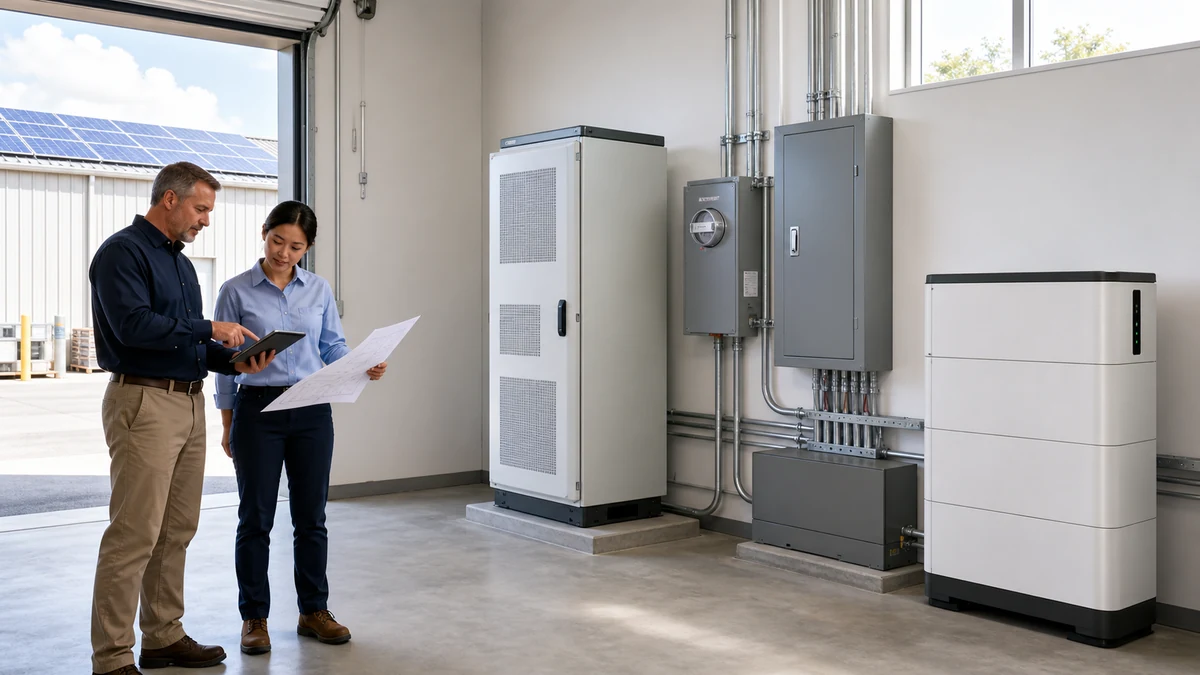
A sample order gives the buyer a controlled way to test the real product before scaling. The buyer can check whether the battery communicates with the target inverter, whether the manual is clear enough for local installers, whether the packaging survives the shipping route, and whether the supplier can provide documents without delay.
The sample should answer practical questions: Can the installer commission the battery without guesswork? Does the inverter read SOC correctly? Are labels, cable accessories, manuals, and warranty terms suitable for the target market? Does the supplier respond with useful technical detail when a setting or alarm needs review?
Sample order checklist
| Test area | What to check | Why it matters before batch orders |
|---|---|---|
| Physical product | Case finish, terminals, cable accessories, mounting, labels, display and serial number. | Confirms the delivered product matches the buyer's market expectation. |
| Inverter compatibility | CAN or RS485 profile, voltage window, charge/discharge current and SOC reporting. | Prevents batch delays caused by communication or setup problems. |
| BMS data | Cell voltage, SOC, temperature, alarm history, current limits and protection values. | Shows whether the battery behaves correctly during charge and discharge. |
| Runtime estimate | Usable kWh, real load, inverter loss, reserve margin and solar recharge assumptions. | Helps buyers avoid overpromising backup hours to customers. |
| Documents | Datasheet, manual, warranty terms, certificate scope, shipping documents and packing list. | Reduces customs, sales and after-sales friction. |
| Packaging | Carton, pallet, label, protection material, photo evidence and shipping damage process. | Protects batch orders during export and local distribution. |
| Support workflow | Response time, troubleshooting quality, settings sheet and warranty evidence requirements. | Tests supplier capability before the buyer depends on batch support. |
Test inverter communication first
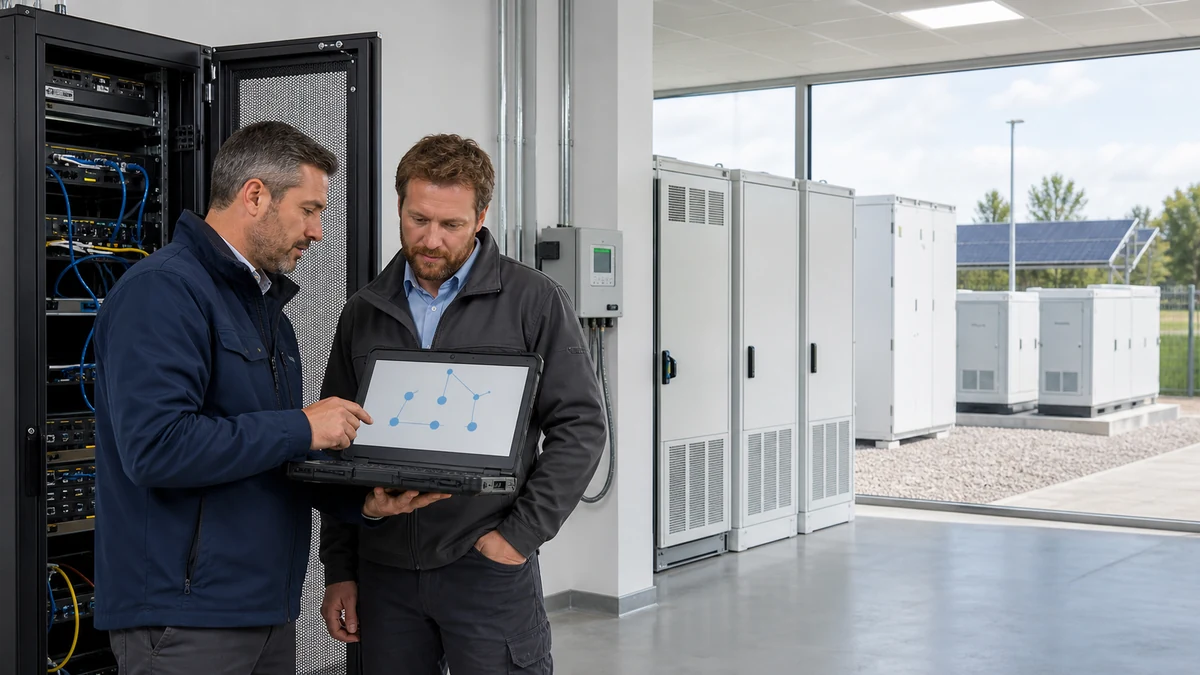
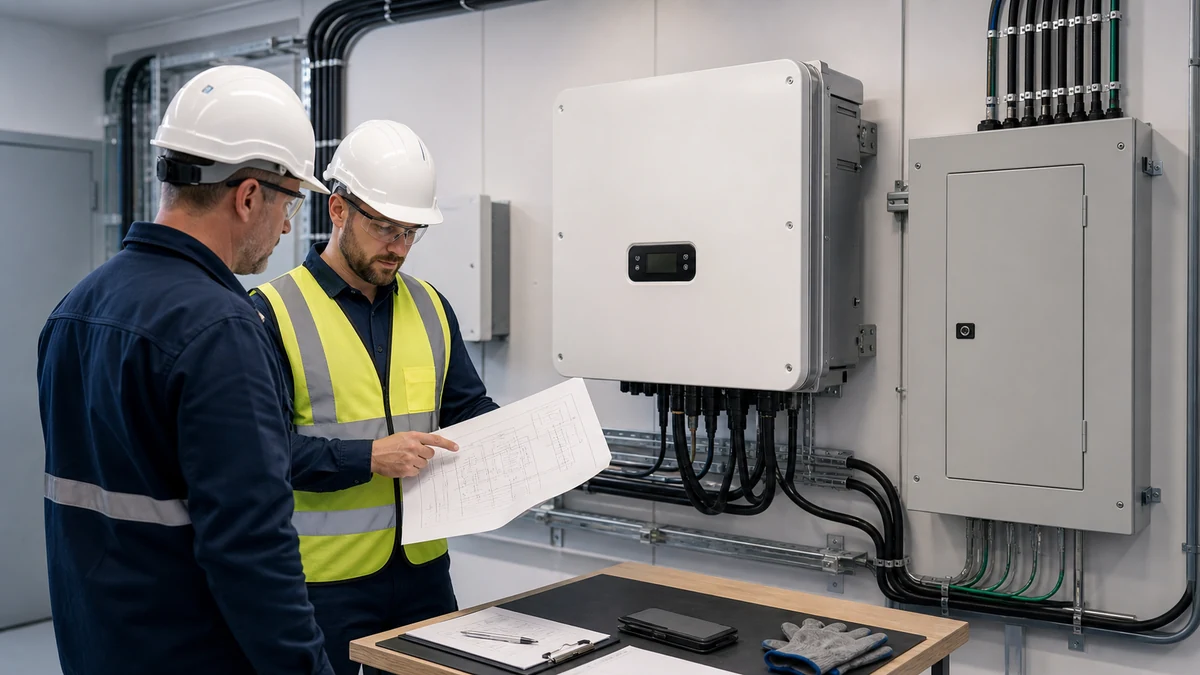
For many home storage and small commercial projects, inverter compatibility is the most important sample test. Buyers should test the exact inverter model, not only the inverter brand. A CAN or RS485 profile may work on one model and need different settings on another model. The sample test should record inverter firmware, battery mode, BMS address settings, charge current, discharge current, and SOC display during operation.
The LiFePO4 Battery Inverter Compatibility guide explains the core checks. If communication is not available, buyers should ask whether voltage-based settings are acceptable, what warranty position applies, and which limits should be entered into the inverter.
Review BMS settings and logs
A sample order is the right time to review BMS behavior. Buyers should check whether the battery reaches expected voltage, whether SOC changes smoothly, whether alarms appear during charge or discharge, and whether current limits match the project plan. If several batteries will be paralleled later, the buyer should test address settings and confirm the maximum parallel quantity.
Use the BMS Parameters Buyers Should Check article as a reference. Keep screenshots from the sample test because those records become useful if the buyer needs training, warranty review, or batch commissioning support later.
Do a realistic runtime and load test
A sample battery should be tested against realistic loads, not only a short power-on check. Buyers should define which loads matter, how many watts they draw, whether they have starting surge, and how long the customer expects backup power. Runtime is affected by usable capacity, inverter loss, reserve margin, temperature and user behavior.
For a practical method, use How to Estimate Battery Storage Runtime. A sample order cannot simulate every site condition, but it can reveal whether the supplier's runtime guidance is realistic enough for sales and installation teams.
Check documents before the first batch
Documents should be reviewed during the sample stage. Ask for datasheet, manual, warranty wording, certificate scope, shipping documents, packing list, and any battery-inverter settings sheet. Buyers should also check whether model names, voltage, capacity, label language, and document names are consistent. Small document inconsistencies become expensive when repeated across a batch.
The Warranty, Certification, Shipping and OEM Buyer Guide and LiFePO4 Battery Shipping Documents and Packaging Checklist are useful companion resources. External references such as IEC 62619:2022 and UL Solutions energy storage testing and certification can help buyers understand why certificate scope and test conditions matter.
Use the sample to evaluate supplier support
Supplier capability is easier to evaluate when a real question appears. During the sample stage, ask for recommended inverter settings, commissioning steps, BMS screenshots, packaging photos, warranty evidence requirements and batch lead time. The quality of the answer tells the buyer whether the supplier can support installers and distributors after the order is placed.
The sample stage should also connect with factory acceptance expectations. If the buyer plans a batch order, ask which checks can be repeated before shipment: appearance, voltage, capacity spot checks, BMS communication, accessory list, label review, packaging photos and document confirmation. The LiFePO4 Battery Factory Acceptance Test guide gives OEM buyers a cleaner structure for turning sample lessons into batch inspection requirements.
If the buyer plans OEM or private-label work, the sample stage should also include logo placement, label layout, carton artwork, manual language, accessory list and local warranty wording. Do not wait until batch production to discover that artwork, documents, or labels need revision.
Keep records for warranty and after-sales
A sample order should create a record set: serial number, installation photos, inverter settings, BMS logs, alarm screenshots, runtime notes, packing photos and communication history. These records help the buyer train local installers, evaluate supplier response, and prepare for batch support.
For a structured after-sales evidence process, read LiFePO4 Battery Warranty Claim Evidence. A buyer that learns how to collect evidence during the sample stage will have fewer surprises during batch deployment.
Related buyer guide: For sample testing, this guide helps buyers define what to verify with the exact inverter model before batch purchase. Read Solar Inverter and Battery Matching Mistakes: CAN/RS485, Voltage Window and BMS Limits.
Buyer evidence update: connect the sample to documents and after-sales
A sample order should prove more than appearance. Before moving to a batch purchase, buyers should connect the physical sample with the certificate package, shipping documents, BMS screenshots, inverter settings, packaging photos and warranty evidence requirements. This makes the sample useful for procurement, sales, customs, installation and after-sales teams.
Use the Battery Certification Documents guide to verify whether documents match the exact model, and use the LiFePO4 Battery Shipping Documents and Packaging Checklist before export. Keep the project record in the same folder as the Battery Storage Buyer Resources checklist set, then send unresolved matching questions through Contact.
SolarStorageHub review note: For distributors, the strongest sample approval is a repeatable record: inverter model, CAN or RS485 setting, BMS logs, certificate scope, carton photos, serial number rule and warranty evidence list.
Related buyer guide: For sample testing, this parallel connection checklist helps buyers verify expansion behavior before approving a batch purchase. Read LiFePO4 Battery Parallel Connection Checklist: BMS Address, Current Sharing and Inverter Limits.
Sample approval matrix for distributors
A sample battery should produce a short approval matrix before the buyer moves to a batch order. The matrix should connect each test item with evidence, owner and pass/fail status. This makes the sample useful for purchasing, local sales, installer training and after-sales support.
| Approval item | Evidence to save | Owner |
|---|---|---|
| Inverter communication | Inverter model, protocol, cable photo, SOC display and settings screenshot. | Technical buyer or installer |
| BMS behavior | BMS screenshot, cell voltage range, current limit, temperature and alarm history. | Technical buyer |
| Document match | Datasheet, label, manual, certificate scope and warranty terms checked against the sample. | Procurement team |
| Packaging review | Carton, pallet, label, serial number rule and accessory list photos. | Logistics team |
| Batch approval | Open issues, corrected files, final sample photos and approved order specification. | Buyer and supplier |
Before batch approval, compare the sample record with Battery Certification Documents, the Shipping Documents and Packaging Checklist, and the OEM LiFePO4 Battery Documentation Checklist. If a setting, document or label does not match, send the evidence through Contact before production starts.
FAQ
How many sample batteries should a distributor order?
One unit can confirm basic product quality, but two or more units may be needed to test parallel operation, address settings, packaging consistency and installer training.
Should a sample order use the same inverter planned for customers?
Yes. Testing with the exact inverter model is much more useful than a generic power-on test with a different inverter.
What documents should come with a sample order?
Ask for datasheet, manual, warranty terms, certificate scope, packing list, shipping documents, battery-inverter settings and support contacts.
Can a sample order prove long-term cycle life?
No. A sample cannot prove years of cycle life, but it can verify setup, communication, packaging, documentation and supplier support quality.
What should OEM buyers test during the sample stage?
Test label layout, logo placement, carton artwork, manual language, accessory list, document naming, and whether customization affects certificate or warranty scope.
What is the most common sample-stage mistake?
The common mistake is checking only appearance and price while skipping inverter communication, BMS parameters, warranty evidence and packaging review.
Where should buyers send sample-order requirements?
Prepare the sample goals, inverter model, target market, documents, branding needs and batch plan, then send the details through Contact.
Related SolarStorageHub Resources
If you are turning this article into a buying decision, compare the relevant product families and send your inverter model, target capacity, installation country, and quantity plan for confirmation.